Story and video by DDNS Reporter Benjamin McDowell
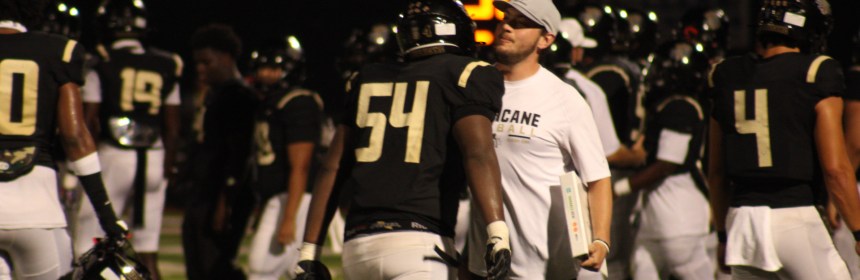
The Valley View Blazers left no doubt on Friday night, racing out to an early lead and never looking back in a 45-6 rout of West Memphis. The victory marked the Blazers’ second win at home this season and highlighted their ability to dominate in all three phases of the game — offense, defense, and special teams.
From the opening kickoff, Valley View seized control. West Memphis mishandled the return just 90 seconds into the contest, and the Blazers pounced on the loose ball with 10:51 left in the first quarter. A few plays later, running back Levi Manning powered in from 2 yards out to put Valley View on the board and give the home crowd an early reason to cheer.
The defense followed suit, applying heavy pressure on the Blue Devils’ offense. A strip sack on the next possession gave Valley View the ball back in favorable territory. Quarterback Taylor Hyneman quickly capitalized, delivering a 53-yard touchdown strike with just 1:37 remaining in the first quarter. In the span of a few minutes, the Blazers had built a double-digit lead and shifted all momentum in their favor.
The second quarter brought even more fireworks. Valley View’s offense continued to click, producing a 7-yard touchdown pass and later a 7-yard scoring run with 4:04 left before halftime. The Blazers’ special teams also made their presence felt, blocking two punts that set up short scoring drives. Each phase contributed to what would become a commanding 28-0 lead at the break.
“We had a fast start tonight,” Valley View head coach Sean Cockrell said. “We got up 28-0 and were playing well on both sides of the ball.”
That fast start carried over into the second half. The defense stayed aggressive, forcing hurried throws and disrupting West Memphis in the pocket. Midway through the third quarter, Valley View intercepted a pass with 7:54 left, once again flipping momentum back in their favor. Manning capped the ensuing drive with an 8-yard touchdown reception on fourth-and-7, extending the lead to 35-0 with 4:09 left in the period.
Before the quarter was over, the Blazers struck again. Another touchdown stretched the margin to 45-0, sealing the outcome and sending much of the Valley View crowd into celebration mode. With the game well in hand, Cockrell turned to his reserves in the fourth quarter, giving younger players valuable varsity reps while resting his starters.
West Memphis finally avoided the shutout late, punching in an 8-yard touchdown run with 4:21 to play. The score gave the Blue Devils a brief highlight, but it did little to change the overall storyline of the night: Valley View’s overwhelming dominance.
For Cockrell, the game was about more than just the lopsided margin. After describing his team’s previous effort as slower, he was pleased with the sharpness, energy, and balance his team displayed from start to finish.
The 45-6 win not only gave the Blazers another mark in the win column but also served as a reminder that when they start fast, they can be a tough team for anyone to slow down.
The Jonesboro Hurricane celebrate after the come back from behind victory. Video by DDNS Reporter Allie Carson.
In their first home game of the season, the Jonesboro Hurricanes defeated the DeSoto Jaguars after being down 21-34 at the half.
“Like I say every week, this group does not quit. They fight and fight and fight no matter what,” Jonesboro Head Coach Tyler George said.
DeSoto’s heavy rush offense was on full display on its opening drive. On a quarterback keeper, Eric Perry made it to the Jonesboro 25-yard line after a gain of 27 yards, soon followed by an 18-yard rush by running back Cade Rogers on 3rd and 4, pushing the Jaguars to the Jonesboro 2.
The Jaguars score and the Golden Hurricane received the ball. On 3 and 15, Hurricane QB Asa Myers throws one downfield and finds running back TJ Brown. A throw to wide receiver Kam Davis puts Jonesboro on the DeSoto 12, a 44-yard gain. Brown scored on the next play for the Golden Hurricane.
DeSoto wasted no time, however, scoring on their next drive, after some Jonesboro flags helped them move the chains and get out of trouble.
A pass-heavy Jonesboro soon tied the game once again after an endzone throw to Brown.
Rogers got into the end zone untouched by the Golden Hurricane defense to put the Jaguars ahead. The punt that followed ended up being recovered by Desoto after the football hit defensive back J’Karious Lattimore.
DeSoto gets the first big lead of the game, going up 14-28 against Jonesboro.
After Meyers gets tripped up after he’s forced to keep the ball, Jonesboro is forced to punt, handing the ball back to DeSoto at their 23.
Thankfully for the Golden Hurricane, their defense is able to hold the Jaguars and get the ball back after a three-and-out.
Clarence Mucherson returns the Desoto punt for 13 yards, putting the Jonesboro offense on the Jaguars’ 33-yard line.
Brown ran up the middle for his third score of the night, closing in on the Jaguars 21-28, but Desoto returned the favor for Perry’s fourth rushing touchdown of the night, making it a 13-point deficit going into the half after a blocked extra point.
The Golden Hurricane came out of the halftime break looking like a new team, scoring back to back touchdowns.
“Came in at halftime, made some simple adjustments, but really nothing major,” George said. “Just executing and doing our job. They came out in the second half on defense and did that. Got a big play on kickoff right there, offense scored back to back to back.”
Running back K’Den Hawkins scored a 67-yard rush 20 seconds into the half.
“We all know Hawkins is super explosive; those are things we can do. We’re trying to find different ways to get him a ball. We’ve been working that last week,” George said.
Hawkins’ touchdown was followed by a punt recovered by tight end Patrick Dutton on Jonesboro, which gave the Golden Hurricane the ball back immediately.
The very next play, Myers threw downfield to Davis, resulting in a 42-yard touchdown. For the first time all night, Jonesboro was in charge of the scoreboard 35-34.
On fourth and 5, Desoto was going for it, but a defender on Jonesboro knocked it away and it was recovered by the Golden Hurricane defense on their own 49-yard line. Soon, Davis scored a 45-yard touchdown, the third touchdown of the quarter, and there was still 8:45 to go.
Three punts later, and Jonesboro had the ball again with two minutes left in the quarter. Brown immediately finds a hole in the DeSoto defense and runs 52 yards to score his fourth touchdown of the night.
Stretching the lead 49-34, neither team scored in the fourth quarter, handing Jonesboro their first win of the season and DeSoto their second loss.
Myers had 299 passing yards throughout the night, while Perry of DeSoto had 90 yards. However, Perry recorded 141 rushing yards against Myers’ 24.
The rushing leaders on both teams, in comparison, were Rogers with 220 on DeSoto and Brown with 126 on Jonesboro.
Jonesboro defensive back Jaques Jordan had a total of 14 tackles on the night, 11 solo and three assists, and made the DeSoto offense lose 4 yards.
“Offensively, we can score the ball better than we have the last two years. So that’s really good. Defensively, it’s a scrappy group. They stay together no matter what, good, bad, or ugly,” George said.
JONESBORO – KASU is welcoming photographer Art Meripol to Arkansas State University with a reception and “art talk” for his photo exhibit, “We Shall Overcome.”
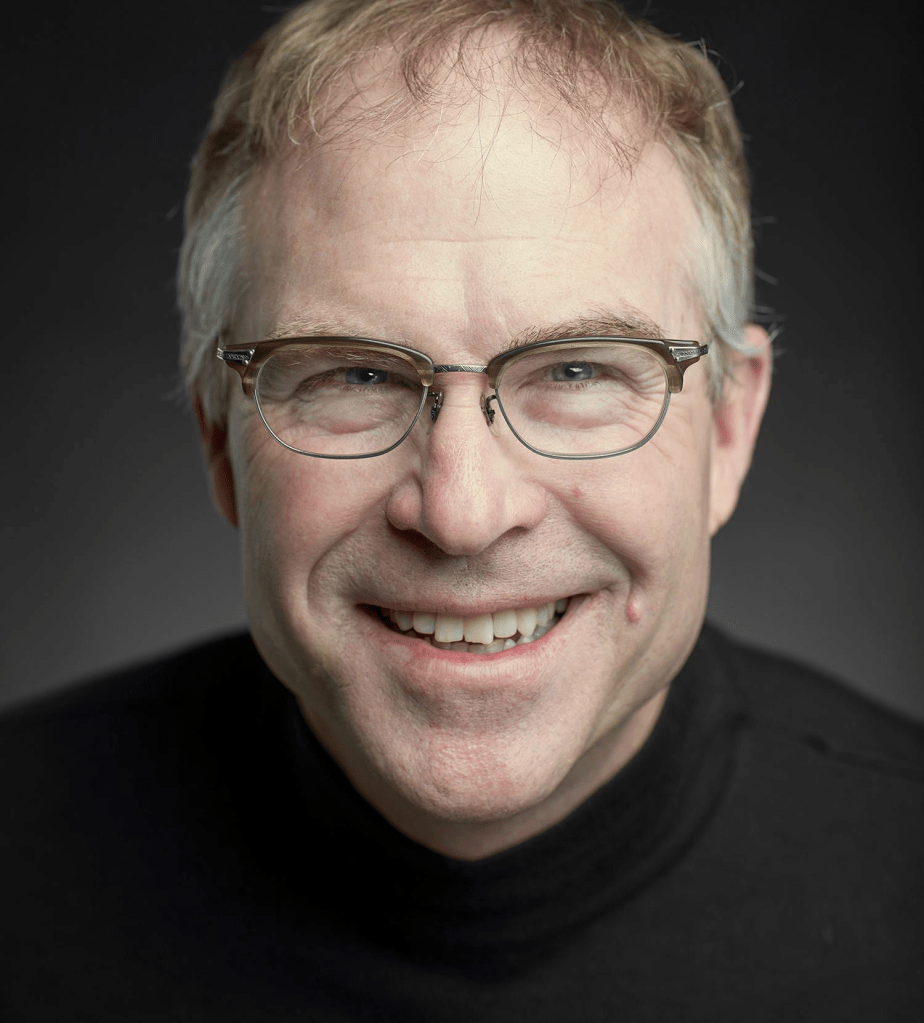
Headshot photo of Art Meripol. Photo courtesy of Art Meripol
The reception, hosted by KASU, will be held from 5:30 p.m. to 7:30 p.m., Oct. 29, in the Humanities and Social Sciences building atrium.
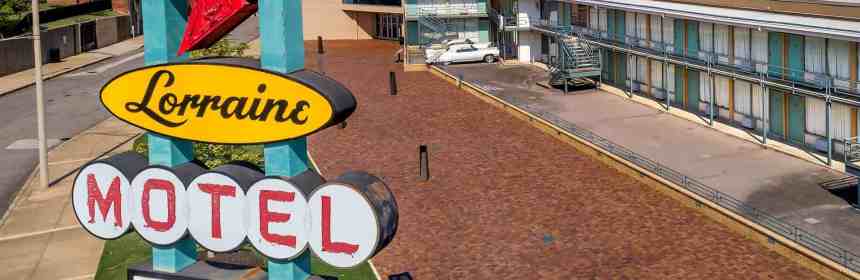
The photo exhibit, also located in the humanities building and presented by KASU, comprises 25 photographs of various landmarks along the Civil Rights Trail. The exhibit opened to the public June 13. Meripol said his Civil Rights Trail photography is some of his most rewarding work.
“I’ve had a 50-year career and I’m more proud of this work than probably anything I’ve done in those 50 years, and I wanted to share it,” Meripol said.
LaDawn Lee Fuhr, KASU corporate relations specialist, said Meripol’s background in journalism, passion for history and skill in photography will be of interest to a wide range of people at the “art talk” and reception.
“We feel like bringing this history and this art together is great for the overall community,” Fuhr said. “We’re hoping that people will come out and see it and meet Art, talk to him, and understand his process.”
Audio story by DDNS Reporter Jerry Don Burton
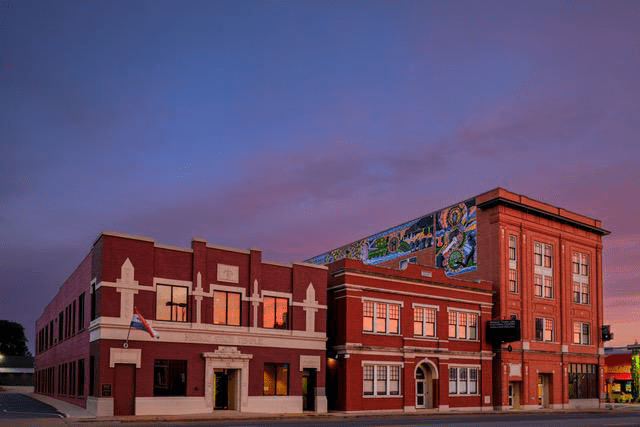
Mosaic Templars Cultural Center. Meripol said he woke up at 4:30 a.m. to capture the center in pre-dawn light. Photo courtesy of Art Meripol.
Fuhr was a major force in bringing Meripol’s photography to A-State. She said the concept of the exhibit and reception blossomed from a conversation between her and Meripol.
After not having seen each other for decades, Fuhr and Meripol reconnected at the Old State House Museum in Little Rock on July 12, 2024. Fuhr said she was impressed by his photography work on “The Official United States Civil Rights Trail: What Happened Here Changed the World,” a book published in 2021 by Alabama tourism director Lee Sentell, and wanted to create an exhibit of his Civil Rights Trail photographs.
Meripol said he knew the project would be worthwhile, but was initially daunted by the work, time and logistics it would take to complete such an exhibit.
“Once I got started, I got pretty excited about the possibilities to go through all the work I did on the U.S. Civil Rights Trail and narrow it down,” Meripol said. “I think that was what intimidated me more than anything was trying to pick 20 or 25 pictures out of all that.”
A majority of the photos featured in the exhibit were taken in 2017, when Meripol said he traveled to 10 states in 12 days to expand coverage of the Civil Rights Trail. Starting in Alabama, where he is based currently, Meripol covered sites in Louisiana, Mississippi, Arkansas, Kansas, Washington, D.C., Virginia, North Carolina, South Carolina, Georgia and Tennessee.
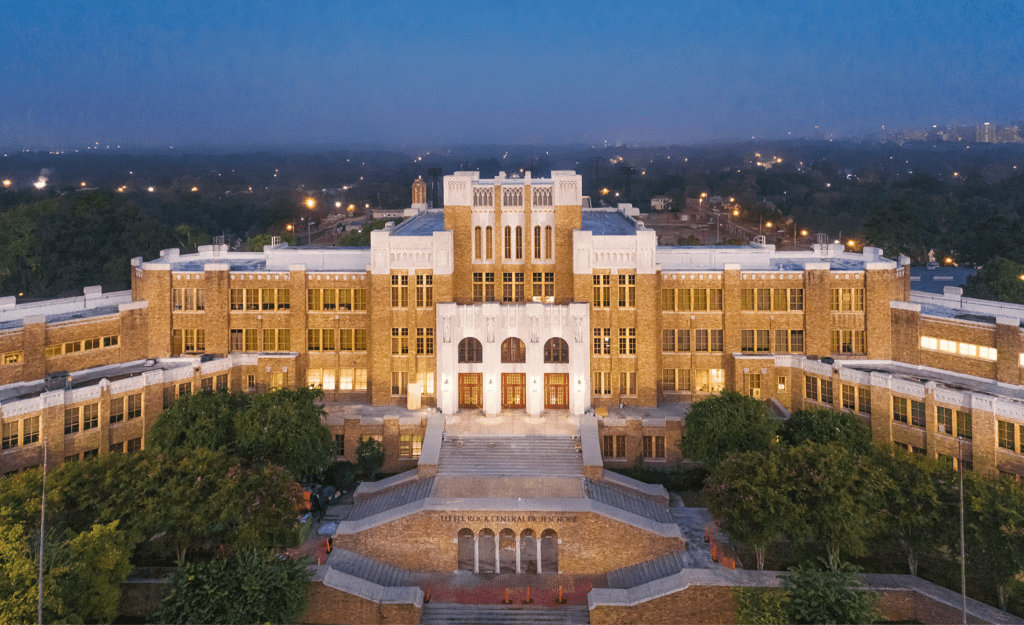
Little Rock Central High School. In 1957, nine teens known as the “Little Rock Nine” were the first African American students to enter the school following the 1954 Brown v. Board of Education Supreme Court ruling that made segregated schools illegal. Photo courtesy of Art Meripol.
Meripol said some of his favorite career experiences came from his work photographing the Civil Rights Trail.
Meripol said one such experience was his visit to Medgar Evers’ home. Evers, a civil rights activist and the first NAACP field secretary in Mississippi, was assassinated in the driveway of his home in 1963.
Prior to his arrival, Meripol said the caretaker of the home did not know he was coming to take photos. He said she was suspicious at first, but they ended up having a wonderful time together.
“We ended up sitting at the kitchen table at Medgar Evers’ home with her, and she was telling stories of when she was in high school and how they all adored Medgar Evers,” Meripol said. “Just seeing her face as her mind went back to that time and her memories was just magic.”
Evers’ home was designated a National Historic Landmark in 2017.
Medgar Evers’ home. Evers was dedicated to ending racial segregation at the University of Mississippi, enforcing voting rights and expanding opportunities for African Americans prior to his assassination in 1963. Photo courtesy of Art Meripol.
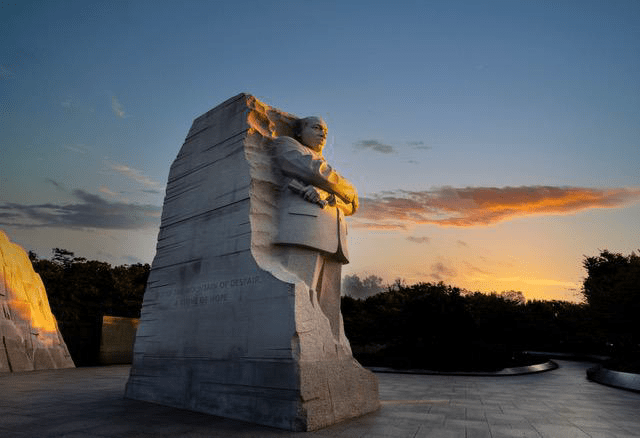
Meripol said another particularly memorable experience was his time in Washington photographing the Martin Luther King Jr. and Lincoln memorials.
Due to flight delays caused by storms, Meripol didn’t arrive in Washington until midnight. He took an Uber at 4 a.m. to the memorial to capture it before sunrise. He said he could not have asked for better lighting and was so inspired in fact, he decided to walk to the nearby Lincoln Memorial.
Martin Luther King Jr. Memorial, located in Washington, D.C. Photo courtesy of Art Meripol.
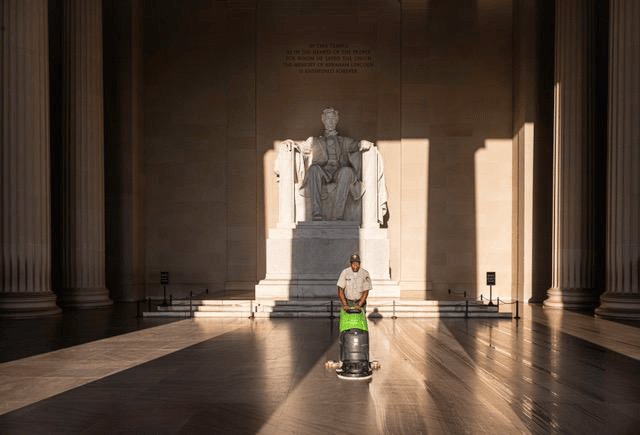
The Lincoln Memorial is typically a high-traffic tourist attraction, making it hard to photograph. But, due to the storms, Meripol said the memorial was empty, save for one employee.
“A U.S. government employee, an older Black man, was polishing the floors in front of Abraham Lincoln with the morning lights streaming through the columns and lighting him up,” Meripol said. “And I shot maybe one of my single favorite pictures of my life.”
Lincoln Memorial. Photo courtesy of Art Meripol.
Meripol said he hopes his work inspires viewers to visit the historic landmarks in his photos.
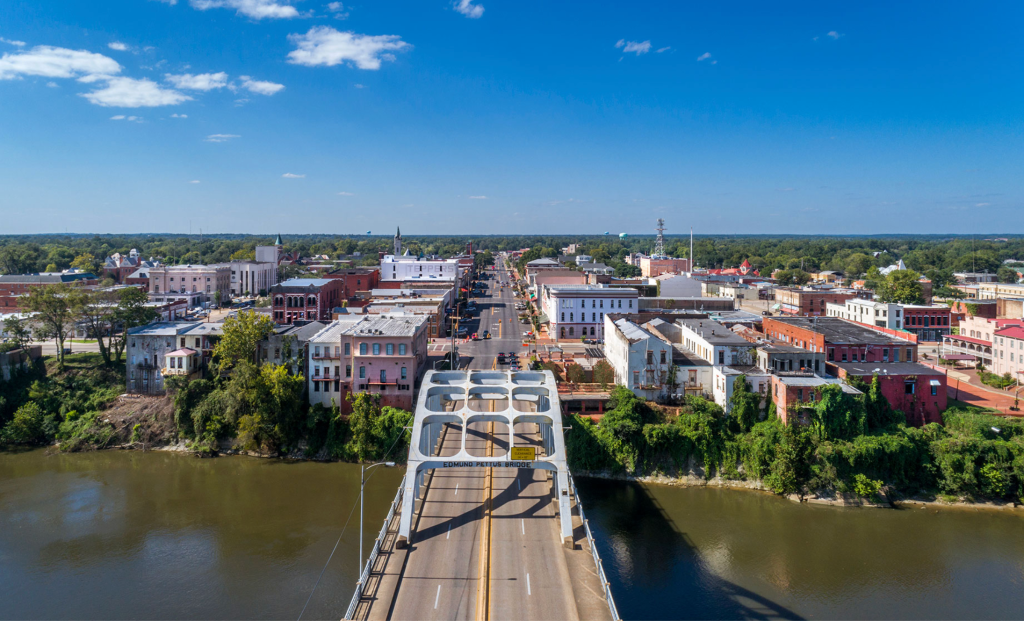
“I have a picture of the Edmund Pettus Bridge where the Bloody Sunday marches happened for voting rights,” Meripol said. “I hope they see that picture and want to go experience the bridge themselves. If they do, they’ll walk over the bridge as the marchers did back in the early sixties.”
Edmund Pettus Bridge, located in Selma, Alabama. The bridge was the site of Bloody Sunday, a conflict on March 7, 1965, when police attacked civil rights demonstrators as they were marching to the state capital. Photo courtesy of Art Meripol.
Fuhr said Meripol’s photography is important for preserving and highlighting the history of the United States.
“It’s a trite statement, but it’s true. If we don’t know our history, we’re doomed to repeat it,” Fuhr said. “I think any of us have a connection to the history that made this country. I feel it’s important to be seen in such a beautiful way. Because there was such pain, but it’s presented in such an appealing, beautiful way that people can appreciate.”
Meripol said the United States has always acknowledged its failures, but the current political climate is leading to the burial of some history.
“When we start hiding those failures, then you don’t know what needs to be paid attention to,” Meripol said.
In March, President Donald Trump signed an executive order targeting funding for programs that “degrade shared American values, divide Americans based on race, or promote programs or ideologies inconsistent with federal law and policy.” A few months later, in August, the Wall Street Journal reported that the White House ordered a review of exhibits at the Smithsonian Museum to align with Trump’s interpretation of American history.
Civil rights leaders, advocates and historians have criticized these moves as singling out content on slavery and civil rights in an effort to minimize the contributions of Black Americans.
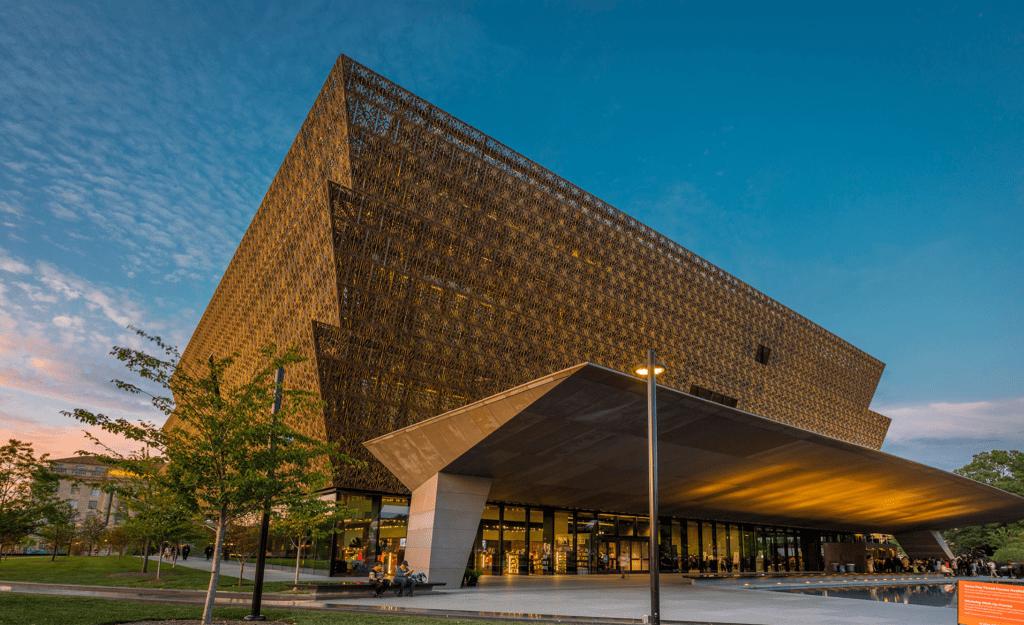
National Museum of African American History. Photo Courtesy of Art Meripol.
“There is an effort to try to hide those things, hiding Black history, which is American history. It hurts to see it happen,” Meripol said. “I’m hoping this exhibit will keep people discussing these things and finding ways to move forward.”
Fuhr said KASU’s involvement in creating the exhibit and reception aligns with the non-commercial public radio station’s mission to be a resource for the community.
“This is the kind of thing that public radio does that others don’t really do, which is to go deeper in the world and be able to bring this to the community.”
Mark Smith, KASU station manager, said the radio station is excited to bring Meripol’s photographs to the community. He said viewers will be immersed in the rich history and the craftsmanship on display.
Fuhr said bringing the exhibit to A-State was a joint effort between many individuals, both within and outside of A-State.
The event is sponsored by the A-State Office of the Provost, A-State College of Liberal Arts and Communication, Mosaic Templars Cultural Center and Arisa Health.
Kendall Moody, interior/exterior team leader for facilities management project services at A-State, was responsible for much of the physical preparation regarding the exhibit. Fuhr said his contributions were integral in ensuring the photos were placed properly without damaging the walls and columns of the humanities building.
Fuhr said the exhibit is planned to stay up until early 2026, but is interested in presenting the photos at other venues as a traveling exhibit.
“Each time I look at a photograph, I get a different sense of it, and so I want it up long enough for people to really appreciate it and really feel it,” Fuhr said.