Tag Archives: ARDOT

$95M Highway funding bill impacts Arkansas roads
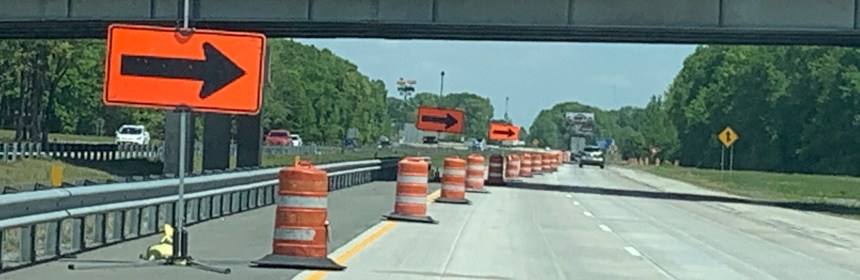
Bill brings road construction, repairs and reconstruction across the state

Delta Digital News Service

By Chloe Short | Aspiring Journalist

JONESBORO, Ark. – Interstates, major highways and other roads receive will receive improvements with the $95 million highway-funding bill signed by the governor. The bill helps fix unsafe roads, repair potholes and mend other road problems. 

   Dave Parker, public information officer for the Arkansas Department of Transportation, said growing concerns about congestion and pavement preservation factor into the plans when deciding what areas to focus on. Congestion causes slower traffic or traffic back-ups, while pavement preservation keeps the current roads maintained so drivers experience less deterrents while on the road. 
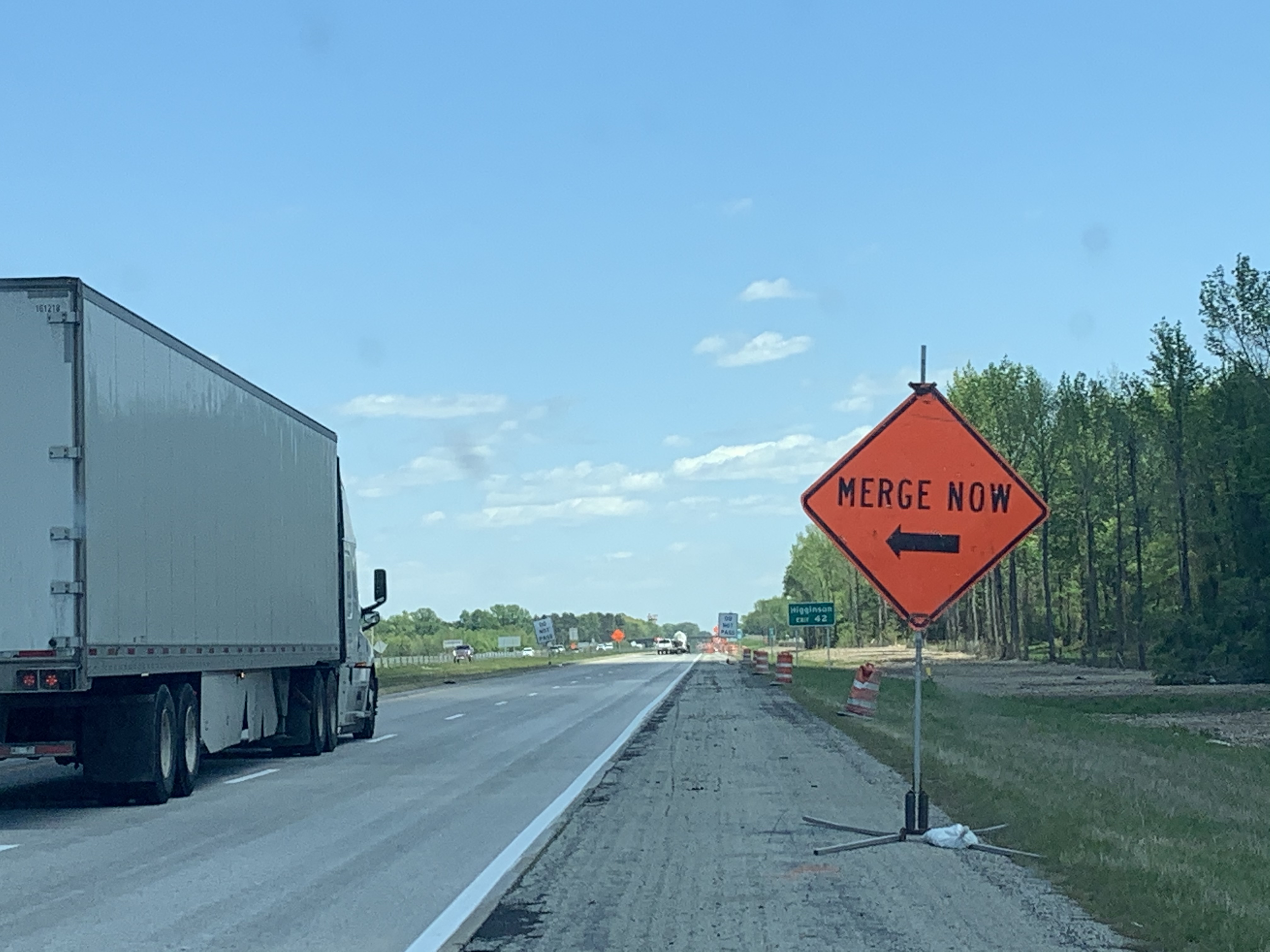
   “About 76% of our total money goes toward just maintaining the highways and bridges we currently have. The remaining 24% is spent on new projects,” Parker said. 

   “About 76% of our total money goes toward just maintaining the highways and bridges we currently have. The remaining 24% is spent on new projects.”

ARDOT PIO Dave Parker

   ARDOT plans for Jonesboro residents and drivers passing through to experience road construction on I-555 that started April 14 and will continue until later this year. Road work involves reconstructing and overlaying pavement for five bridges. 

   Parker said, “Construction is in full-swing all over the state. ARDOT’s current plans aim at  improving many sections of downtown Little Rock, mending and widening I-30 in Saline County and widening Highway 10 in Pulaski County from a four-lane road to six. Those projects will take two years to complete with a cost of around $80 million,” Parker said.

Big projects like the Bella Vista Bypass in Northwest Arkansas see a predicted opening this fall.  Parker said to make sure the budget gets followed, ARDOT hires contractors who present good reputations with proven track records to deliver quality work on time.

   Joe Quinn, executive director of the Arkansas Good Roads Foundation, said the highway-funding bill won 72 out of 75 counties, making the sales tax allotted to road improvements permanent. Construction starts where the most traffic takes place. Quinn said he and others pushed for voter approval because this bill helps keep state roads safe for all drivers. 

   “If voters had not voted in support of this bill, then every county in Arkansas would have lost 30% of its road budget and every city in Arkansas would have lost 30% of its road budget. For instance cities would have lost $46 million for road repairs,” Quinn said.

Shannon Newton, president of the Arkansas Trucking Association, pushed voter approval for the bill, primarily issue 1 of it and pressed state residents to care about the future safety of their roads and bridges. Newton said the governor’s leadership and the support of stakeholder groups representing all types of Arkansans made for strong voices contributing to the cause.  

“The trucking industry relies on all types of infrastructure throughout the state, which is one of the great things about Issue One. Issue One will help make our state highway system safer by improving over 7,000 miles of roads and repairing dangerous bridges, relieve heavy traffic congestion on highly traveled roads and support over 3,600 jobs annually and provide $8.2 billion in economic activity over 10 years,” Newton said.

Pedestrian bike path nears finish line

By Chloe Short/Aspiring Reporter
Delta Digital News Service

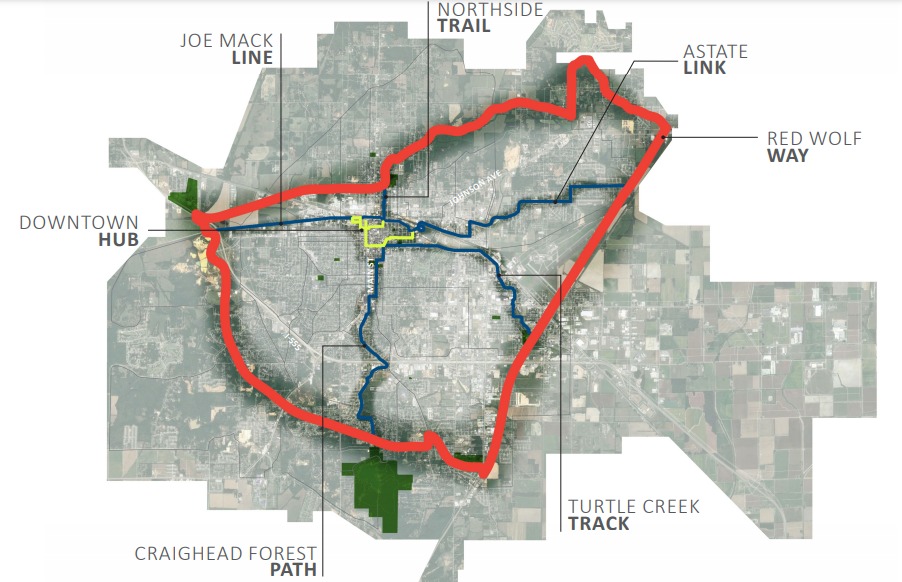
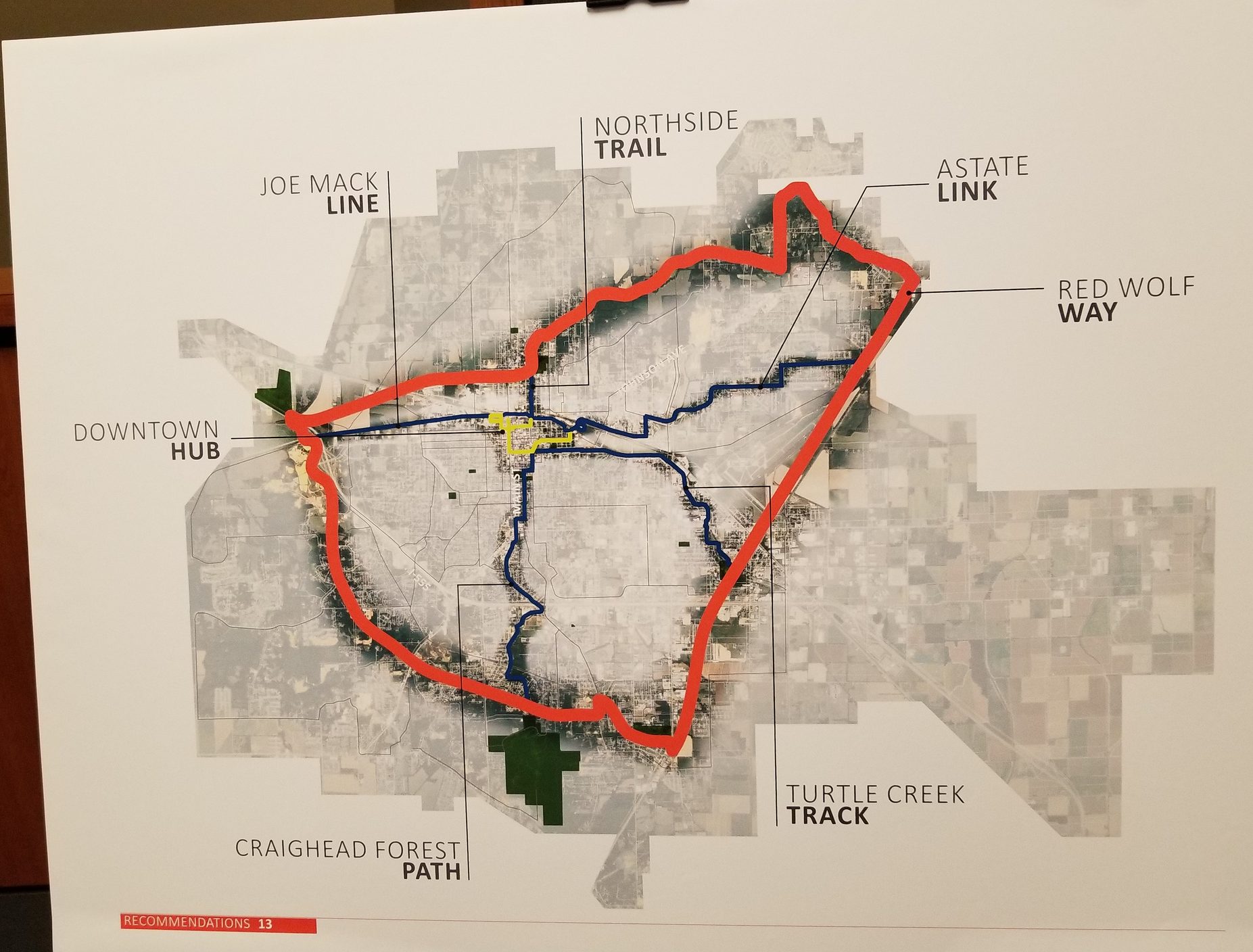
The city comes close to finished plans for the bike path project. Residents will witness construction soon, bringing bike lanes and bridges to connect all the city. The bike pedestrian trail will make one large circle around Jonesboro to allow all areas within the city to experience different ways of traveling.

Danny Kapales, director of Parks and Recreation in Jonesboro, said plans for the bike path are close to finishing. Currently, the design and property acquisition requires completion, then plans move forward to starting construction. Kapales said the project needs scouted property for purchase and further design touches.

“We’re hoping to be starting by the end of this year with the construction or at least by the following year with construction. We should be done with at least land acquisition and design by the end of this year,”  Kapales said.

Final decisions made to design arrangements will then allow progress to finding the construction company. Kapales said when the project releases, construction companies will place bids and once finalized, the project will move to construction.

Earlier in planning, the project awaited clearance for grants to work the University Heights phase, which gives access to open the east side of Jonesboro and will allow safe travel along Aggie Road. Updates revealed the plans received clearance, Kapales said.

Bill Campbell, director of communications for Jonesboro, said the bike path proposal sits at 90% completion. The parks and recreation, engineering, and grants department received the grant money of $500,000 from the Arkansas Department of Transportation and the Transportation Alternatives Program needed to proceed with construction and to continue the bike path phases.

The project plans continued for almost two years after being released to the public. Campbell said after speaking to city Director of Engineering Craig Light, he found money as the hold up in the schedule.

“The project was slowed originally as we looked for additional funding to complete the first phase of construction.  This was ultimately obtained through a second TAP Grant from ARDOT. We just recently received a third TAP Grant from ARDOT to build the final piece of this project which will tie the trail to the A-State campus at the Marion Berry Parkway. We have opted to combine these two project phases into one single project for construction. This decision was made based on a couple of factors, the primary one being that the right-of-way acquisition and utility relocation pieces of the project are expected to take most of the year to complete anyway,” Light said.

New construction brings uncertainty to wildlife in the area, especially if tampered with. Campbell assured that with planning, The parks and recreation, engineering, and grants department must perform environmental studies anytime working with untampered land. Kapales said the bike roads will follow along roads already made, so they do not see any wildlife being interfered with.

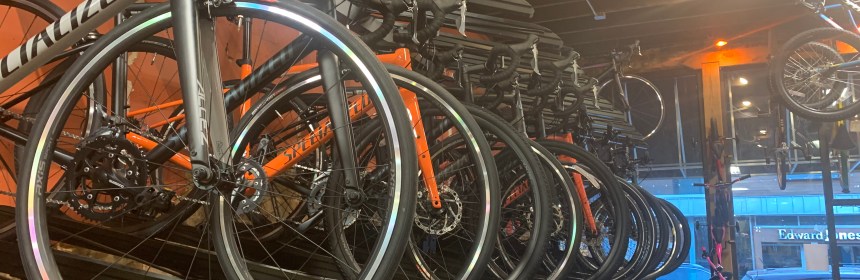
Charles Fox, of Gearhead Cycle House, said the community will benefit from the new bike path. Fox said cycling creates a natural high that comes from physical activity, whether the activity runs light or heavy. Active lifestyles can be more conducive to happy living and overall wellness, he said.

“I feel as if it will offer people an opportunity to get out and exercise on their bicycles in a way that they might not have current access to. For a lot of people riding on the streets with automobiles isn’t the most comfortable activity and safer bike paths should give people an entry into the world of cycling,” Fox said.

https://www.jonesboro.org/DocumentCenter/View/4321/BikePedestrian-Plan?bidId=

Bike Trail Would Connect Jonesboro

By Denton Postlewait
Delta Digital News Service

A proposed bike trail would circle the city. (Photo by Denton Postlewait)

JONESBORO — Citizens and cyclist will soon be able to access the city easier and get safe exercise for the whole family with the Jonesboro Quality of Life and Connectivity Master Plan bike and pedestrian plan.

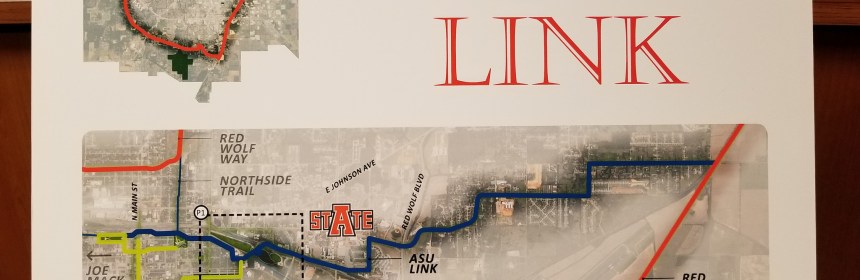
The A-State link is part of the greater biking and walking trail plan proposed by the city with funding coming from grant money. If approved, the grants would be an 80-20% match for a total of $500,000 from the Arkansas Department of Transportation and the Transportation Alternatives Program. The grants would provide $400,000 or 80%, while the city would provide the additional $100,000 or 20%.

Arkansas State Vice Chancellor for Marketing and Communications Bill Smith said the proposed plan will strengthen the bond between the university and the Jonesboro community.

“With Arkansas State, you have a lot of park space. There are trails on campus, there are places for families to come and visit and the A-State Museum,” Smith said. “Having a way for people to come into campus from the east is extremely impactful.”

Not only would the A-State link be helpful for students and employees of the university, but it would also give residents with children a safe and fun place to get exercise on the east side of the city. With the proposed link, citizens would pass through the A-State campus on a path to downtown Jonesboro.

Smith said the northeast corner of the city happens to be the only place in Jonesboro without access to a park. The University Heights phase would give citizens and students the opportunity to use active modes of transportation to travel to work or school.

Jonesboro Parks and Recreation Director Danny Kapalas said the city would start construction on the University Heights link in late 2020. It will be the first phase of a 68-page master street plan that passed a city council vote. From there, the community selected which phase would be completed first.

“We went to the public about which section needed to be the first phase,” Kapalas said. “This phase was unanimously picked.”

The impact of the plan will not provide road cyclists much in the way of safe riding. The plan’s design caters to modes of active transportation to citizens. Brent Walker, a local cycling instructor, said it will give people who walk or ride their bike a safe route to travel on.

“It will provide a safe environment for families, especially young children to ride,” he said. “Not everyone drives, so I think it will be good.”

The plan for the University Heights phase will be designed to give citizens safe access along Aggie Road, a notoriously dangerous road with many blind turns and narrow lanes. If approved, Smith said the path would open the entire east side of Jonesboro. The one benefit for road cyclists would be access to gravel and farm riding outside the city limits.

47503336301_34cde99678_k

The University Heights phase as planned. (Photo by Denton Postlewait)

Click here to find out more about the proposed link or to read the entire 68-page master road plan proposal.

New Overpasses Coming to Jonesboro

by Kayce Wilson
Delta Digital News Service

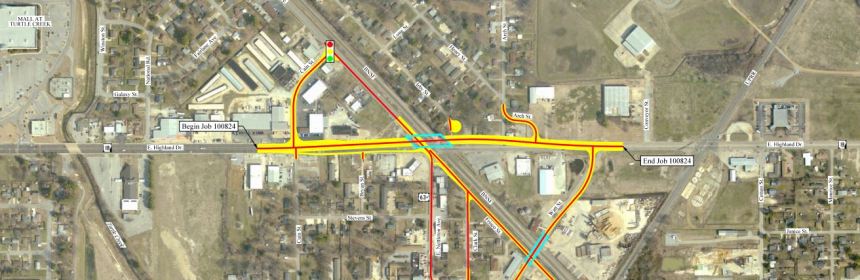
JONESBORO — The Jonesboro City Council-approved plans for new overpasses off Highland Drive and Nettleton Avenue will commence construction after July 2018.

Arkansas Department of Transportation Area 10 Engineer Brad Smithee said the financial aspect was the main reason for the wait.

“Discussion with Jonesboro, BNSF Railway, (Arkansas Department of Transportation) and other parties involved have been around for a number of years regarding this project,” Smithee said. “More direct project developments began when a funding mechanism was identified and the city of Jonesboro received a (Transportation Investment Generating Economic Recovery) grant for $1.2 million to perform environmental and design work on the project back in 2014.”

Smithee said the overpass will bring many changes to the community, many of which would affect safety.

“They would increase access to industry, increase safety for school-age children and increase the traffic flow that is currently congested by the railroad crossings,” Smithee said.

Aside from the businesses affected, the Nettleton School District could see some changes in the near future.

Nettleton graduate Jacquelyn Young said she believes construction could require more police supervision.

“I think that the overpasses will help after-school traffic and provide a new way to get around the school, but it also might make the traffic before school more hectic,” Young said.

Since the project is very complex and in a populated area of town, Smithee said there is not an exact time frame for completion. They must consider the cost of construction items and the number of possible construction days to figure up a bid. This is then paired with a building schedule figured up with a construction cost so that they can determine how many workers they will need.

The new overpasses will not only cut back on train and vehicular incidents, but will cut back on the traffic around the tracks.