Author Archives: Denton Postlewait

Hemp Substance Helps Patients, Too
by Denton Postlewait
Delta Digital News Service

JONESBORO – Cannabidiol or CBD happens one of the fastest growing medical substances in the world. The legal substance derived from hemp can be used to treat a variety of conditions.

The differences between the two compounds are microscopic. Although not marijuana, CBD often gets grouped in with the drug. CBD can be collected from hemp, the male plant used in growing marijuana. Hemp contains little or no tetrahydrocannabinol, the active ingredient in marijuana. According to Dr. Dane Flippin, owner of Arkansas Progressive Medicine, CBD can reduce chronic pain, inflammation and treat diseases like neuropathy.
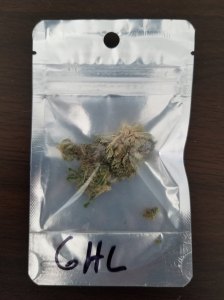
46946668464_7ac5a6c100_k

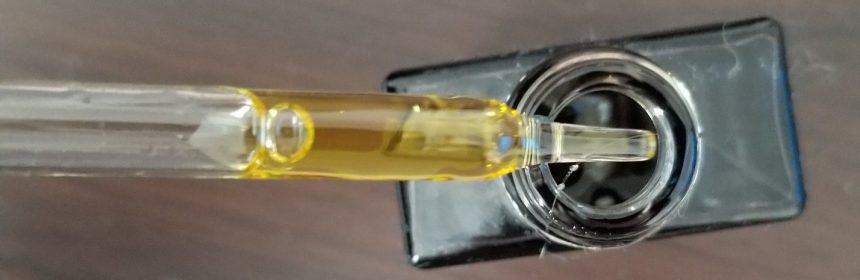
CBD Flower. Photo by Denton Postlewait

“For some people, it works a lot better,” he said. “It seems to work a lot better than the Lyricas, Gabapens and Cymbalta. At least what I’ve been told by patients.”

J.D. Fisher manages the Vapor Maven store on Johnson Avenue in Jonesboro. He said his wife suffers from cerebral palsy and that CBD has relieved some of the symptoms associated with it.

“Since she’s been using the Shaman’s Reach Honey Shots, she hasn’t had a seizure in about four years. She’s able to sleep and walk without a crutch sometimes,” he said. “It’s been really beneficial.”

Vapor Maven carries two CBD products produced in Arkansas. CannaBlast comes from Springdale, while Shaman’s Reach is made in Jonesboro by Emerald’s Triangle.

Medical marijuana became legal in Arkansas back in 2017. Now, two years later, dispensaries around the state started selling the medicine in May 2019. NEA Full Spectrum, a medical marijuana dispensary, will open in Brookland later this year.

47683081122_c6004f4b1e_k

Shaman’s Reach Pet CBD. (Photo by Denton Postlewait)

CBD remains legal, but still faces the same scrutiny as marijuana.

Haylie Slater works for Emerald’s Triangle, running the company’s blog and overseeing research. She said the reason CBD still gets negative press comes from a lack of knowledge.

“It comes from ignorance. That’s the best word to describe it,” she said.

Flippin said although CBD works for some people, others do not respond unless the product they take contains THC.

“There’s just something magical when you add the THC,” he said. “It acts as a catalyst.”

Many places in the United States sell CBD products. In Jonesboro, it can be found at almost any pharmacy, gas station or grocery store in one form or another. Places like Super V Drug, Cash Saver, Emerald’s Triangle and Vapor Maven all carry some form of CBD products.

However, not all products are made the same. Slater and Flippin both said before starting a regiment of CBD to research developers and distributors. Not all CBD products are pure. Some products tested possessed high levels of THC. If consumed, a product containing too much THC-infused CBD could cause a person could potentially fail a drug test. To fail a drug test using a product containing pure CBD, a person would need to consume at least their body weight in grams. To be sure of a product’s purity, Emerald’s conducts third-party testing on all products they carry, along with competitors’ products. These can be found at one of three Emerald’s locations in the region.

Fisher said the reason he believes CBD carries a negative stigma is people get bad information on the internet.

“I think people don’t get the right information online,” he said. “They don’t want to walk into a vape store and ask a bunch of questions and think they are getting the right answers, so they go onto the internet.”

Slater said the reason marijuana receives such a negative stigma comes from its illegal Schedule 1 classification.

“The most friction that we receive on it is the legality of it,” she said. “How it is never OK to break the law.”

Flippin said because Arkansas legislation did not approve the sale of medical marijuana until recently, patients traveled to surrounding states to buy it. Flippin said some families move to states where medical marijuana is legal so they can use the medicine.

“We’ve had people travel to other states where it is legal; we’ve had people go to Oklahoma now,” he said. “They call back and say it changed their life.”

Slater said work blogging and researching gives people access to the information so they can form their own opinions.

“My basis, my agenda, my prerogative with being involved with the blog and the research is to inform … bottom line,” she said. “It’s to inform people about the benefits and the way an herb can completely change your life.”

Before starting any health regiment, both Slater and Flippin said to talk to a doctor to explore all potential treatments. To obtain a medical marijuana card, a person must be evaluated by a medical professional.

 

Colorful Run Funds D.A.R.E

By Denton Postlewait
Delta Digital News Service

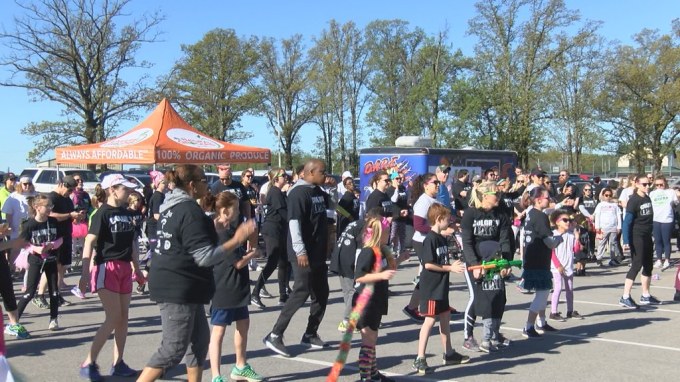
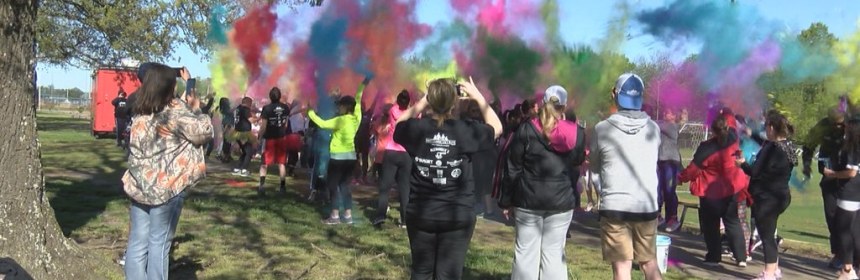
JONESBORO – Citizens young and old participated in the third annual Color Me D.A.R.E. 5K run at Joe Mack Campbell Park to raise money for the Jonesboro Police Department D.A.R.E program.

The D.A.R.E program educates all fifth-grade students in all Jonesboro schools. This includes all public and private schools.  The money raised goes towards a student T-shirt, books and miscellaneous items used in the D.A.R.E program. During the first year of the race, 80 runners signed up. Three years later, over 170 runners signed up either online or at the starting line. DJ Buzzkill played music before, during and after the race, while members of JPD barbecued for the runners after they finished.

33813349988_a3b77d1ca3_b

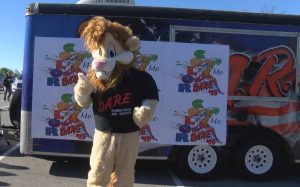
D.A.R.E. stands for Drug Abuse Resistance Education. The JPD program educated all fifth-grade students in Jonesboro. (Photo by Denton Postlewait)

Sgt. Morshaydrick Racy thanked the community for its support and said the lessons the D.A.R.E program teaches are life-long.

“It’s things that can stick with them and that their parent can reiterate to them at home,” he said. “It means a lot that this many people would support our program.”

Chief Rick Elliot attended the April 20 event and said the Jonesboro community keeps the program alive. Funding for the D.A.R.E. program comes from fundraising and donations.

“Jonesboro is a very giving community. Any time we have an event like this the people of Jonesboro always comes out and support it,” he said. “It takes fundraisers like this to support this program.”

Before the race, participants started with a Zumba class to warm up. Then, they gathered at the starting line and threw paint into the air to create a plume of brightly colored smoke.

47690783131_4030b1c03c_b

Runners warm up with a Zumba class prior to the start. (Photo by Denton Postlewait)

JPD Record Supervisor Mary Oliver said the event helps raise money to keep the D.A.R.E. program in the schools.

“D.A.R.E. is a good program for our kids in the schools,” she said. “We’ve got to keep the community together in supporting D.A.R.E.”

After a rainy week, the weather cooperated and provided a perfect day for the run. During the 5K, serval community businesses set up stations along the route and threw color as runners passed by. Participants finished the race covered in paint.

For anyone who missed the event but would like to support the JPD D.A.R.E. program, visit the Jonesboro D.A.R.E Facebook page.

Esports Provide Another Avenue for Competition


by Denton Postlewait
Delta Digital News Service

JONESBORO — The world of Electronic Sports continues to expand into pop culture in the United States and around the world, but it includes more than just playing video games.

According to www.statista.com, over 1.435 billion people knew about esports in 2018, but the number could grow to 1.57 billion in 2019. At the collegiate level, over 130 schools and more than 3,000 students participate in esports, according to www.nacesports.org, the governing body of college esports.  A large number of the worldwide population know about esports and the number grows every year.

In fall 2015, Matthew Strack started the Arkansas State Rocket League Club with some friends. It started as something innocent; just a way to blow off steam after class. However, he quickly realized that it could become something more, especially at the collegiate level. The professional esports ranks featured players who make money playing games like “League of Legends,” “Counter Strike: Go” and of course, “Rocket League.” Strack tried to find collegiate “Rocket League” competition but realized it had not yet been created. So Strack, along with help from students at Purdue University and Rochester Institute of Technology, decided to create it and thus the “College Carball League” began in spring 2016.

“We really just played for fun. Our first real scrimmage was against Purdue’s team and we won,” Strack said. “As esports grew, ‘Rocket League’ grew, and we formed the College Carball Association, which helped found the ‘College Rocket League.’ It’s the official body for ‘Rocket League.'”

“Rocket League” is one of the newer esports on the rise with the likes of “Fortnite” and “Apex Legends,” among others. It may be easy to think competitive gaming formed recently, but quite the opposite occurred. According to www.medium.com, the first-ever esports competition began in 1972 at Stamford University, with the game of choice being “Spacewar!” From then on, the United States and the world became hooked on video games.

47559965321_d3c31641cd_b

Arkansas State senior Jakobe Hardee trains extensively to stay on top of his game.  (Photo by Denton Postlewait)

A-State “Rocket League” President Jakobe Hardee said he started his esports career by wanting to become a professional “Call of Duty” player. However, after discovering “Rocket League,” his gaming path changed. Hardee played video games as a child and knew early on that if he really worked hard at them, it would pay off.

“I played a lot of ‘Call of Duty’ and had hopes and dreams of becoming a professional,” Hardee said. “The first time I played ‘Rocket League,’ I enjoyed it, but it really didn’t catch my eye.”

While certainly not love at first sight, Hardee gave “Rocket League” another chance a few months later.

“I went back to ‘Call of Duty’ for a couple more months, but decided I wanted to play something else,” he said. “One day I saw it in my game library, played it again and I was hooked. I’ve been playing it ever since.”

Hardee said it takes a lot of hard work to become competitive in esports. Some days he plays for 10 hours or more, working on different skills to stay atop his game. Aside from physically playing the game, Hardee says he does a lot of replay analysis to see what areas of the game he can improve on and then practices those skills, while also learning new mechanics of the game. With  “Rocket League” only being a few years old, the way the game is played is constantly evolving.

“You have to split your time between playing the game and reviewing the clips to see where you can improve,” he said.

When he’s not going to class or training, Hardee runs a practice discord (an app that allows for communication between users in a chat) for aspiring players. Hardee says what makes “Rocket League” so intriguing is players do not form preconceptions about what the game is like. Players who compete in “Rocket League” started from the same level.

From the outside, esports may not seem to be expanding. However, the Arkansas Athletic Association recently partnered with Play Vs, an esports league from California that primarily focuses on high schools. With this partnership, over 80 schools in the Natural State have formed esports teams and will begin competition in the fall of 2019. This announcement marked a huge win for the esports community, especially in Arkansas. Within weeks of the announcement, Arkansas State University announced the launch of an esports team and over 200 interested students reached out.

Another avenue for players in Arkansas who want to become competitive is The Southern Amateur Esports League. Based out of Little Rock, SAE allows players from Arkansas a chance to grow as players and gain valuable “big stage” gaming experience. Co-Founder and Community Director of Southern Amateur Esports Drew Foote said his company formed to be basically AAU for gamers.

47559965911_baa5d720d2_b

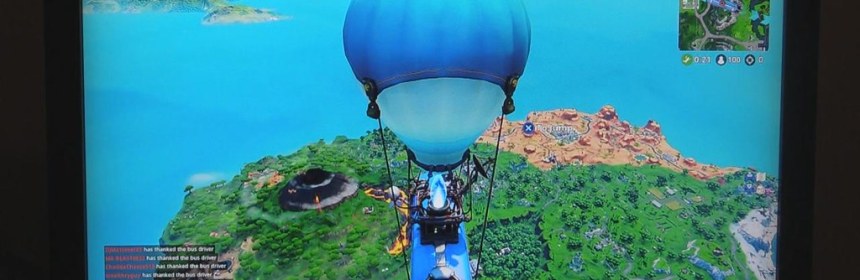
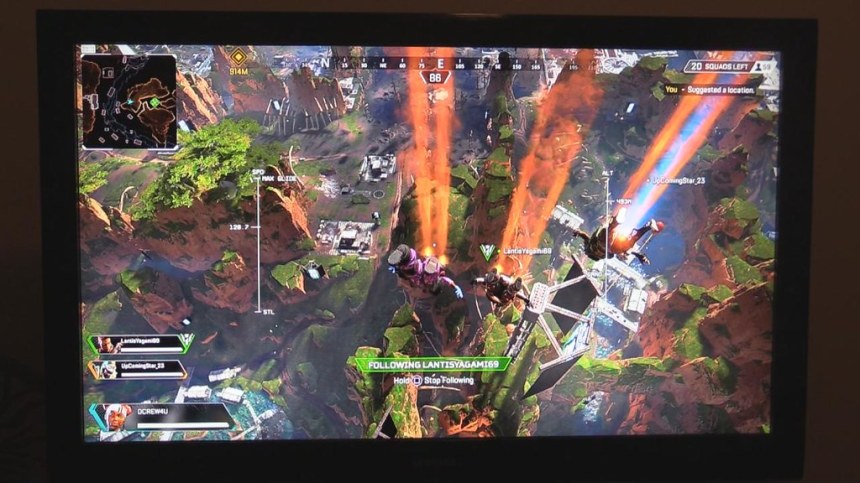
Launched Feb. 4, 2019, Apex Legends boasts over 25 million active players. Photo by Denton Postlewait

“The Amateur Athletic Union is known for one thing, but they govern a lot of different sports,” he said. “With esports, each game is a different sport. I based SAE off of the AAU system.”

SAE continues to grow exponentially since its inception. Foote said the first event held only brought in about 30 people. However, the last event hosted by SAE brought in over 120 people and only 60 were players. Foote said the goal of SAE will be to give players an experience like the professional players that they’ll never forget. Foote does not just want to help players grow, he wants to grow the industry.

“I want to bring the esports experience and economy to Arkansas,” he said. “I want to create jobs in this industry. For me, it is about providing an opportunity to change lives through esports.”

Today video games seem to be more popular than ever. With revenue expected to topple $1 billion in 2019, the gaming community will see an even larger influx of interested players. Connectivity and competition form the foundation for the growth of esports. Esports represent the future of competition.

Now Serving: International Flair

by Denton Postlewait
Delta Digital News Service

JONESBORO — International student-athletes provide rich culture, diversity and fierce competition to all Arkansas State University athletic programs.

According to www.ncaa.org, over 20,000 international student-athletes compete at NCAA-compliant schools. A-State happens to be one of those schools; Amelia Guevremont is one of those student-athletes.

40378767983_1c56b5a5dc_k

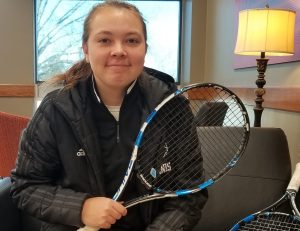
Amelia Guevremont (Photo by Denton Postlewait)

Guevremont, a sophomore studying mechanical engineering, plays tennis for A-State. She grew up in Montreal, Canada and said her sister influenced her decision to come to America.

“I saw my sister grow up playing tennis and she wanted to go to the states,” she said. “I wanted to do the same thing as her.”

Canada’s different educational system meant Guevremont graduated from high school a year earlier than her American-born competition. She thought she wanted to go straight to the states after graduation but ended up staying in Canada another year. This decision costed her numerous offers from college coaches. Eventually, she decided to attend the University of Illinois at Chicago. After a year in the city, Guevremont decided she wanted to transfer and began emailing coaches. During this process, she received a full-ride scholarship to A-State and decided to move to Jonesboro and become a Red Wolf.

The process of transferring colleges can be difficult. Students must make sure their classes transfer and that they stay academically eligible to compete. Apart from the academic stress, students may not know any of their new teammates, let alone a new city. Thankfully, A-State employs academic coordinators to help with the social and academic transition.

“There is always a bit of a disconnect when they come in because it’s such a shock-and-awe,” said A-State academic coordinator Nate Carr. “Our position as an academic coordinator for athletics is to reduce that shock-and-awe.”

Carr, a former international student-athlete at the University of Arkansas at Little Rock, understands the transition better than most. He said one of the biggest hurdles for international students can be the language barrier between them and the general population. Shannon O’Brien, a junior from Cleveland, also competes on the tennis team and said the language barrier can be tough to overcome.

“I’m pretty sarcastic,” she said. “Sometimes when I try to make a joke, they don’t always get it.”

Carr said being at the university makes most international student-athletes happy. They do not mind putting in extra studying or tutoring because it helps them succeed academically and socially. He said the best part of being an academic coordinator comes from seeing the personal growth the athletes show.

“You meet their parents on graduation day and they say, ‘They’re such a different person,'” he said. “I always say, ‘Your son or daughter disappeared for four or five years and now they have a degree and became a man or woman.'”

Carr said the uniqueness of international students makes his job great.

“A student may have trouble writing or speaking English, but then you find out it is their fifth language,” he said. “International students, like all students on campus, are a little bit unique.”

Guevremont said her coach does not really consider her international because of Canada’s proximity to the United States, but she still considers herself foreign.

“I’m not as foreign as them, English is something I might have learned at a younger age,” she said. “It is easier for me than them.”

Guevremont said the difficulty of her first semester stemmed from not being close with the team. Part of that disconnect came from her being new to the team and to the university. She said she became really close to the team this semester and that she trusts her teammates and can talk to them about anything. Guevremont said if she could, she would not change the path that led her to A-State.

“I believe everything happens for a reason,” she said. “There are ups and downs, but that’s part of life. I’m really happy to be here.”

For more information about A-State Tennis, go to www.astateredwolves.com, click on the Sports Tab and select “Tennis” under Women’s Sports.

Bike Trail Would Connect Jonesboro

By Denton Postlewait
Delta Digital News Service

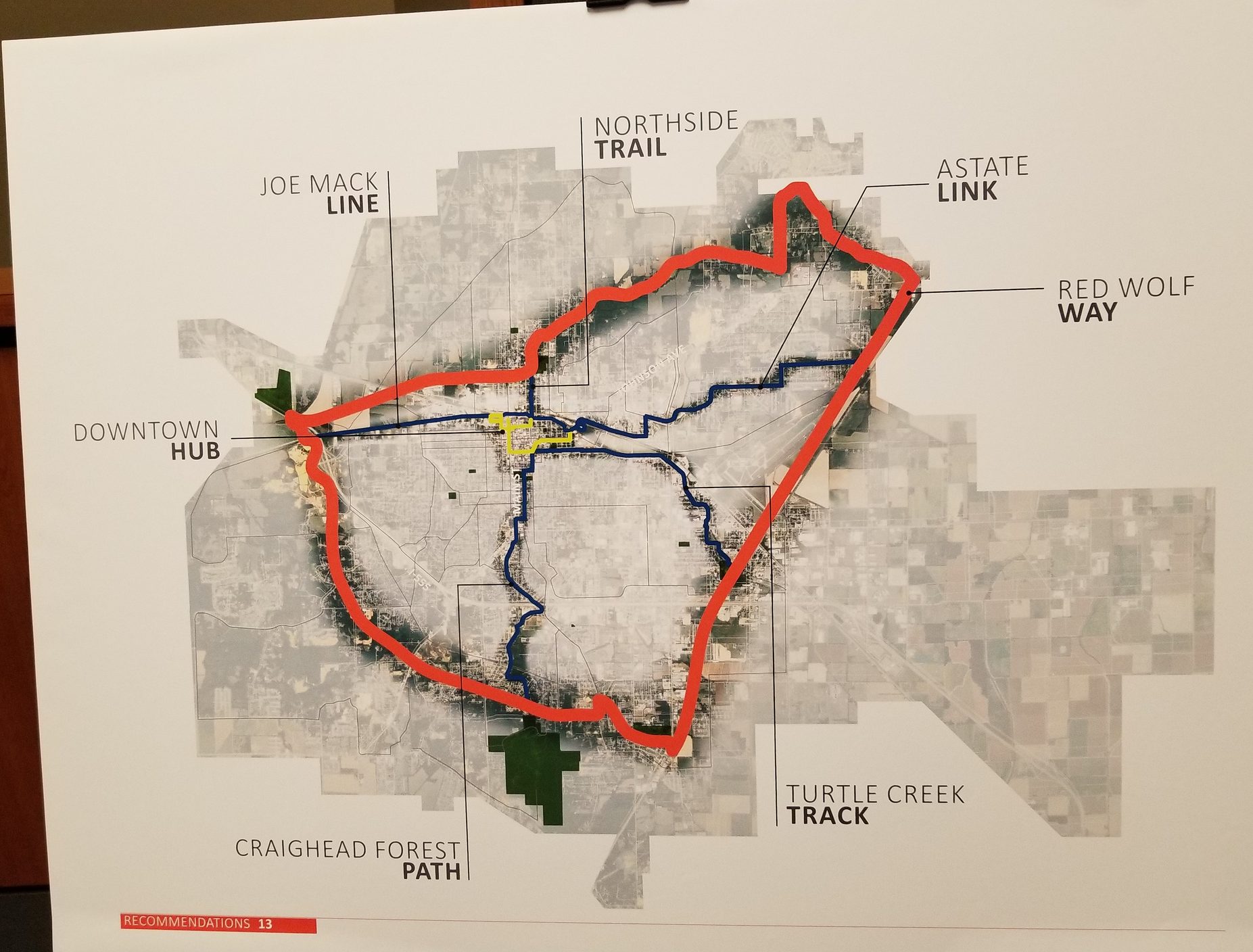
A proposed bike trail would circle the city. (Photo by Denton Postlewait)

JONESBORO — Citizens and cyclist will soon be able to access the city easier and get safe exercise for the whole family with the Jonesboro Quality of Life and Connectivity Master Plan bike and pedestrian plan.

The A-State link is part of the greater biking and walking trail plan proposed by the city with funding coming from grant money. If approved, the grants would be an 80-20% match for a total of $500,000 from the Arkansas Department of Transportation and the Transportation Alternatives Program. The grants would provide $400,000 or 80%, while the city would provide the additional $100,000 or 20%.

Arkansas State Vice Chancellor for Marketing and Communications Bill Smith said the proposed plan will strengthen the bond between the university and the Jonesboro community.

“With Arkansas State, you have a lot of park space. There are trails on campus, there are places for families to come and visit and the A-State Museum,” Smith said. “Having a way for people to come into campus from the east is extremely impactful.”

Not only would the A-State link be helpful for students and employees of the university, but it would also give residents with children a safe and fun place to get exercise on the east side of the city. With the proposed link, citizens would pass through the A-State campus on a path to downtown Jonesboro.

Smith said the northeast corner of the city happens to be the only place in Jonesboro without access to a park. The University Heights phase would give citizens and students the opportunity to use active modes of transportation to travel to work or school.

Jonesboro Parks and Recreation Director Danny Kapalas said the city would start construction on the University Heights link in late 2020. It will be the first phase of a 68-page master street plan that passed a city council vote. From there, the community selected which phase would be completed first.

“We went to the public about which section needed to be the first phase,” Kapalas said. “This phase was unanimously picked.”

The impact of the plan will not provide road cyclists much in the way of safe riding. The plan’s design caters to modes of active transportation to citizens. Brent Walker, a local cycling instructor, said it will give people who walk or ride their bike a safe route to travel on.

“It will provide a safe environment for families, especially young children to ride,” he said. “Not everyone drives, so I think it will be good.”

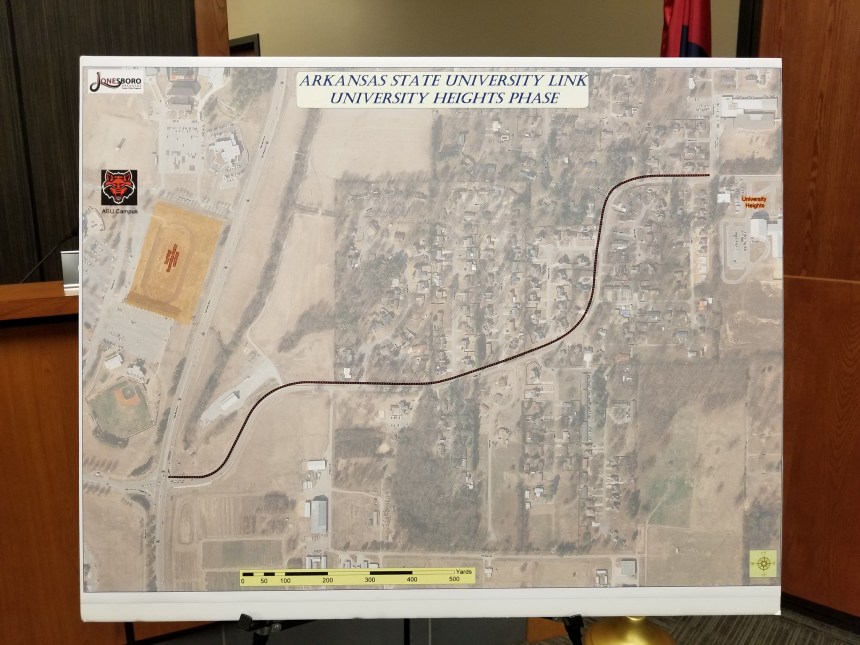
The plan for the University Heights phase will be designed to give citizens safe access along Aggie Road, a notoriously dangerous road with many blind turns and narrow lanes. If approved, Smith said the path would open the entire east side of Jonesboro. The one benefit for road cyclists would be access to gravel and farm riding outside the city limits.

47503336301_34cde99678_k

The University Heights phase as planned. (Photo by Denton Postlewait)

Click here to find out more about the proposed link or to read the entire 68-page master road plan proposal.

Red Wolves Bowl Over the Competition

by Denton Postlewait
Delta Digital News Service

JONESBORO — Arkansas State’s Women’s Bowling may be the best team in Jonesboro.

A-State picked up its first title in Dallas at the Prairie View A&M Invitational Feb. 3. The Red Wolves knocked off SEC foe Vanderbilt University 4-2 (171-130, 213-176, 194-189, 182-161, 181-167, 223-216). Prior to the win, A-State finished sixth and third, respectively in the fall semester. Since then, they bowled for the championship in four of the last five tournaments. At the most recent tournament in Dallas, the Red Wolves took sixth place. 

 A-State returned only three athletes after finishing fifth at the NCAA Championships in St. Louis last season. With such a high turnover rate, head coach Justin Kostick said it took some time for the team to mesh.

“As the season has gone on, we’ve gotten better and better and better and better. I’ve had a new team this year. I have seven new players and only three returning,” he said. “It took us a little while to get going.”

Sophomore Leah Glazer of Henderson, Nevada, said the team grew together and gathered momentum heading into the home stretch of the season.

“It’s motivating to know that with such a young team we are able to accomplish so much,” she said. “I have no doubt that we will be bowling for a national championship.”

Julia Huren, a junior from Westlake, Michigan, said the work the team puts in outside of scheduled practice sets them apart.

“We work really hard,” she said. “Even when we don’t have practice, we come in on our own and put the time in. That’s going to pay off in the long run and at nationals.”

A-State Bowling will compete in two tournaments to close the regular season: March 1-3 in Lincoln, Nebraska and March 15-17 in Symara, Tennessee. Following these tournaments, A-State will travel back to Dallas for the Southland Bowling League Championships March 22-24 and then to the NCAA Tournament in Cleveland, Ohio on April 11-13.

To stay up to date with all things A-State Bowling, go to www.astateredwolves.com, click on the Sports Tab and select “Bowling” under Women’s Sports.

***
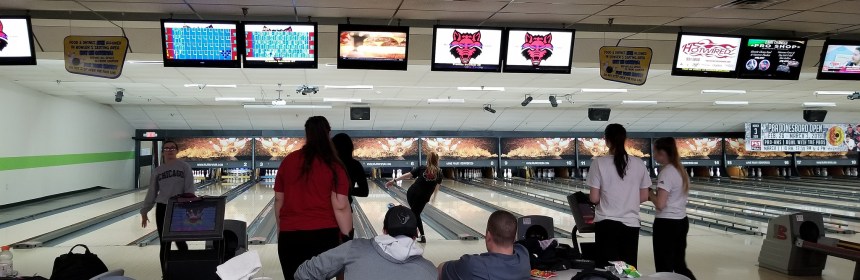
Editor’s Note: Featured photo shows head coach Justin Kostick (center, right) and assistant coach Tanner Seal (center, left) look on while the team practices. The Red Wolves practice at Hijinx Family Entertainment Center. (photo by Denton Postlewait)

Meet the Unsung Heroes of A-State Baseball

By Denton Postlewait
Delta Digital News Service

JONESBORO — Baseball fields ignite nostalgia. The crisply painted lines, clean-cut outfield and raked dirt take anyone who has ever picked up a ball glove back in time.

Some people forget about the crew that puts it all together. Arkansas State baseball managers, aka the unsung heroes of the team. They put in hours behind the scenes to make sure the field and the team stay ready for game day.

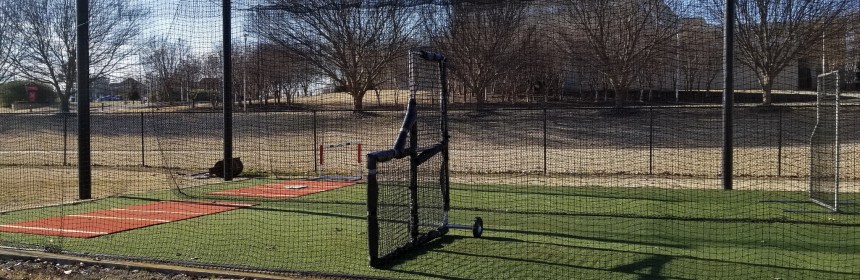
“We’re normally here three or four hours before a game,” said Brandon Little, a sophomore manager from Pocahontas. “The first thing we do is batting practice. Then we put the bases in, drag and water the field, and bring out the baseballs for pregame and the game.”

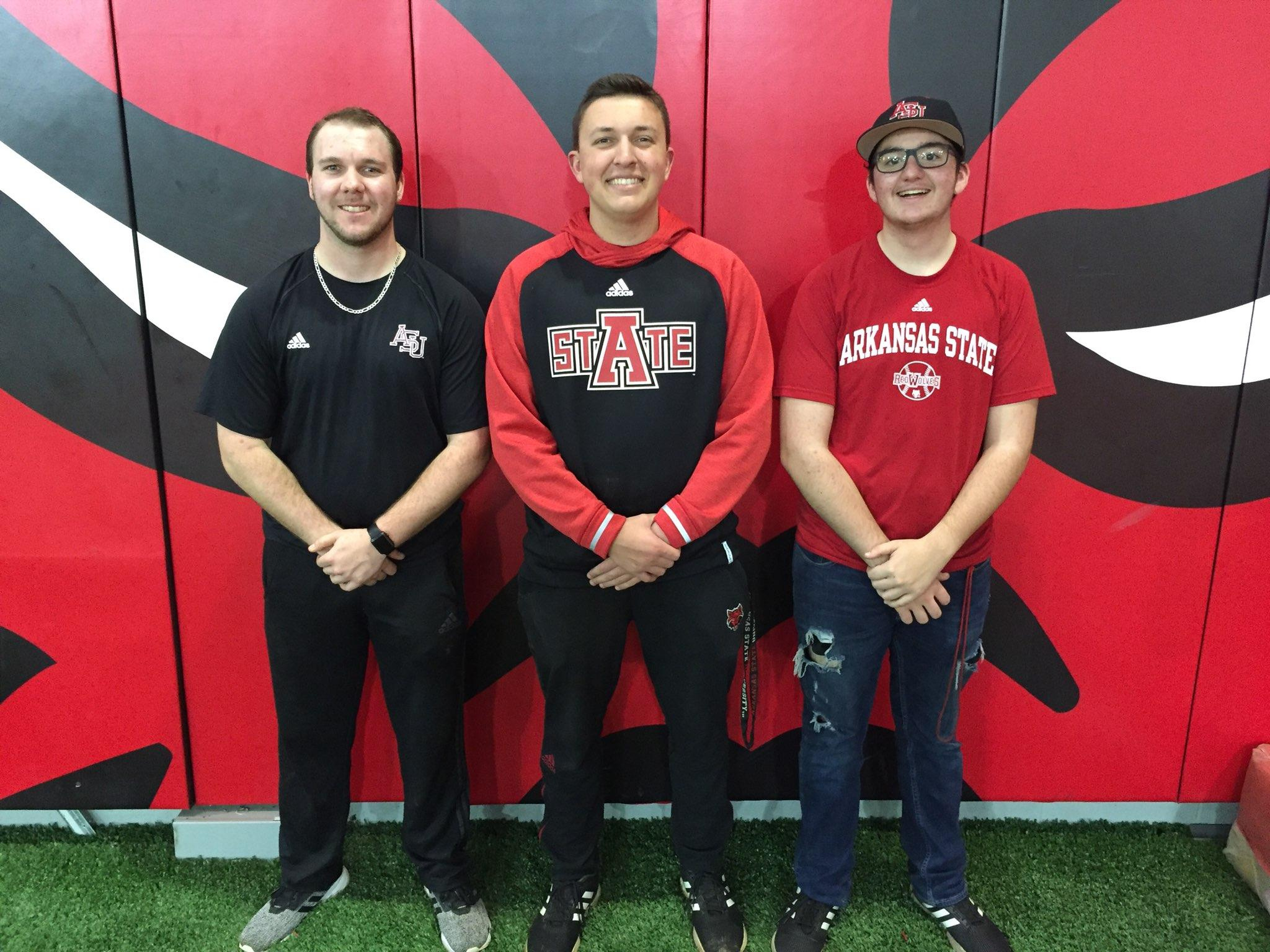
Little, along with Dylan Owens, a sophomore from Cabot and Tristan Thompson, a freshman from Pocahontas, make up the managers for the A-State Baseball team. They balance their school and social lives around a sport that they love. They do more than just make the field look pretty, though.

A-State baseball managers

A-State baseball managers (from left) Brandon Little, Dylan Owens and Tristan Thompson (Photo by Jesse Kutzke)

“We set up the L-Screens in the batting cages to protect the person running the drill. We set up the ‘Turtle’ for batting practice and our biggest job is making sure the infield is properly managed,” Owens said. The “Turtle” — a large, shell-like cage — does not allow foul balls to go up or outside of the batter’s box.

Another part of the managers’ job involves what Little called “dirt maintenance.” This entailed adding a substance to the field to absorb the excess water. However, if the field is extremely wet, they use another method.

“We have sponges … that’s fun. We love that,” he said.

Most of the time, the managers and players will tarp the field to make sure the dirt does not get soaked. The spring, also known as “tarp season” and the managers will tarp the field several times a week. Tarping is a team effort, especially when it rains a lot.

To get the tarp off the infield with water on it, the managers and players make a funnel. Players and managers drag the tarp and the water down the first base line. Once everyone is in position, they all hold the tarp up and the water runs down towards the drains behind home plate. Then, one person gets under the tarp and pushes up to get the water off the tarp. This responsibility goes to Noah Stone, aka “The Lion,” according to the managers.   

When the team travels, the managers do not get a break. They also travel with the team to away games to ensure the team can fully focus on the opponent. During home games, the managers also handle the opposing team’s laundry and they coordinate their weightlifting schedule on campus.

A lot of work goes into preparing everything, but the hardest part: laundry and “hula-hoeing.”

“Laundry takes the longest and it is the worst,” Thompson said. “Louisiana made me rewash their uniforms. They complained that it was wrinkled or something. Most of the time teams are not specific, so we do it the same way we maintain our uniforms. I guess they didn’t like it.”

Owens said hula-hoeing cuts weeds. According to www.planetnatural.com, the hula hoe “slices away weeds and other undesirable growth, without displacing topsoil.”

“If you go into the outfield, it’s a disaster because we weren’t here to maintain it during the break. It’s hours of work to get the weeds out,” he said.

Being a manager requires a lot of hard work and dedication. Little, Owens and Thompson said the best part of being a manager is being with the team.

“We’re all pretty good friends at this point. They don’t throw things at us too often,” he said. “They’re really good guys and it adds a lot to the job.”

Although the managers do not play, their love for the game keeps them close to the sport.

It may seem like the managers do a ton of work, but they love the sport. As the saying goes, “Do what you love and you’ll never work a day in your life.”  Laundry, hula-hoeing and waking up early for practice may tough, but the managers love America’s game. When driving past a baseball field, take a second and think about those who prepare it. Being a manager requires a balancing act, but A-State baseball would not be the same without theirs.