Tag Archives: waste

Waste and Recycling – Recycling Systems
By Melissa A. Palumbo
Delta Digital News Service

CRAIGHEAD COUNTY – Arkansas recycles more than average thanks to extensive programs implemented to make recycling clean and easy.

Of about 254 million tons of solid waste generated in the United States every year, 34% gets recycled, according to the Environmental Protection Agency; on average, Arkansas recycles about 45% of waste produced.

In many regions, third-party companies chiefly manage recycling. For Jonesboro, the Sanitation Department handles all curbside garbage and recycling, according to Cindy Schweitzer, supervisor of Jonesboro Sanitation. 

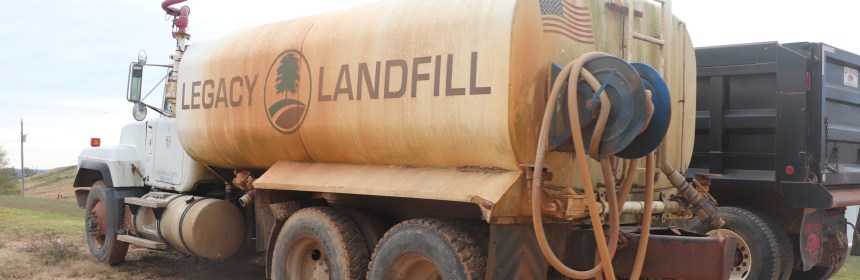
“We take garbage and recycling cans,” Schweitzer said. “Trash goes to Legacy Landfill to be buried that day, and recycling goes to Abilities Unlimited to be sorted.”

Both companies work directly with Jonesboro Sanitation — and other cities in the county — to ensure proper management of waste.
Any recycling brought to the Abilities Unlimited Recycling Center goes through a sorting process to separate different materials, which are then packaged for shipment.

Other companies can buy the raw recycled products to make new products while using less energy and producing less waste. 

Items that can be recycled include plastic bottles and containers, metals, cardboard and newspaper. Glass can not be placed in cans or dumpsters, but can be brought directly to the Abilities Unlimited Recycling Center. 

Legacy Landfill, the only landfill in Craighead County, also promotes recycling. Old or broken electronics are stripped of recyclable materials, and tires are collected for repurposing as well. 

Angela Sparks, deputy director for Legacy Landfill, said the landfill donates to Jonesboro and public schools for recycling services.

“We give about $2,000 dollars each month to local schools for recycling,” Sparks said.

Even with these efforts toward recycling, the Jonesboro Sanitation Department pays over $1 million in fees involving disposing of waste at the landfill. Schweitzer said if more people utilized recycling as a form of waste disposal, this amount “would be cut down remarkably.” 

Two years ago, the Jonesboro Sanitation Department switched from blue bag recycling to a can recycling system. The blue recycling cans get picked up on a schedule like grey garbage cans, usually every other week. 

The problem, Schweitzer said, lies with the separation of trash and recycling. While the department sees more participation from the curbside can pickup, apartment complexes face issues with residents treating the blue recycling dumpsters as garbage dumpsters. 

“It’s blue for a reason,” Schweitzer said. 

Superintendent of the Jonesboro Sanitation Department Donny Gibson said less people participated in recycling after the switch to cans. 

“It’s not up to what it used to be when we first started,” he said. When the city first started offering recycling services, about one-third of the Sanitation Department’s 30,000 customers recycled. “We’re at about 8,000 now,” Gibson said. 

Recycling not only reduces the amount of waste in the county landfill, but also cuts costs for individuals. Additional new curbside trash cans cost $75 – recycling cans cost $25.

Schweitzer said they require all trash to be inside the container for curbside pickup. “If there’s a house with a lot of loose trash,” she said, “we do suggest to them start recycling. Those bottles take up a lot of room, you don’t realize it until you don’t have them anymore.” 

Gibson encourages customers to recycle more. 

“In my household,” he said, “we bought a recycle container and my trash service has gone down by two-thirds.” 

Editor’s Note: Photos by Melissa Palumbo

Waste and Recycling – How Waste Works

By Melissa A. Palumbo
Delta Digital News Service

CRAIGHEAD COUNTY – An almost inevitable part of everyday life, garbage takes a long journey from a kitchen bin to a landfill.

Larger corporations hire independent sanitation companies to remove waste. For most people, whether it is put into a curbside trash bin or an apartment dumpster, waste gets taken away by the city sanitation department.

The sanitation department in Jonesboro services about 30,000 people, according to Cindy Schweitzer, supervisor of the Jonesboro Sanitation Department.

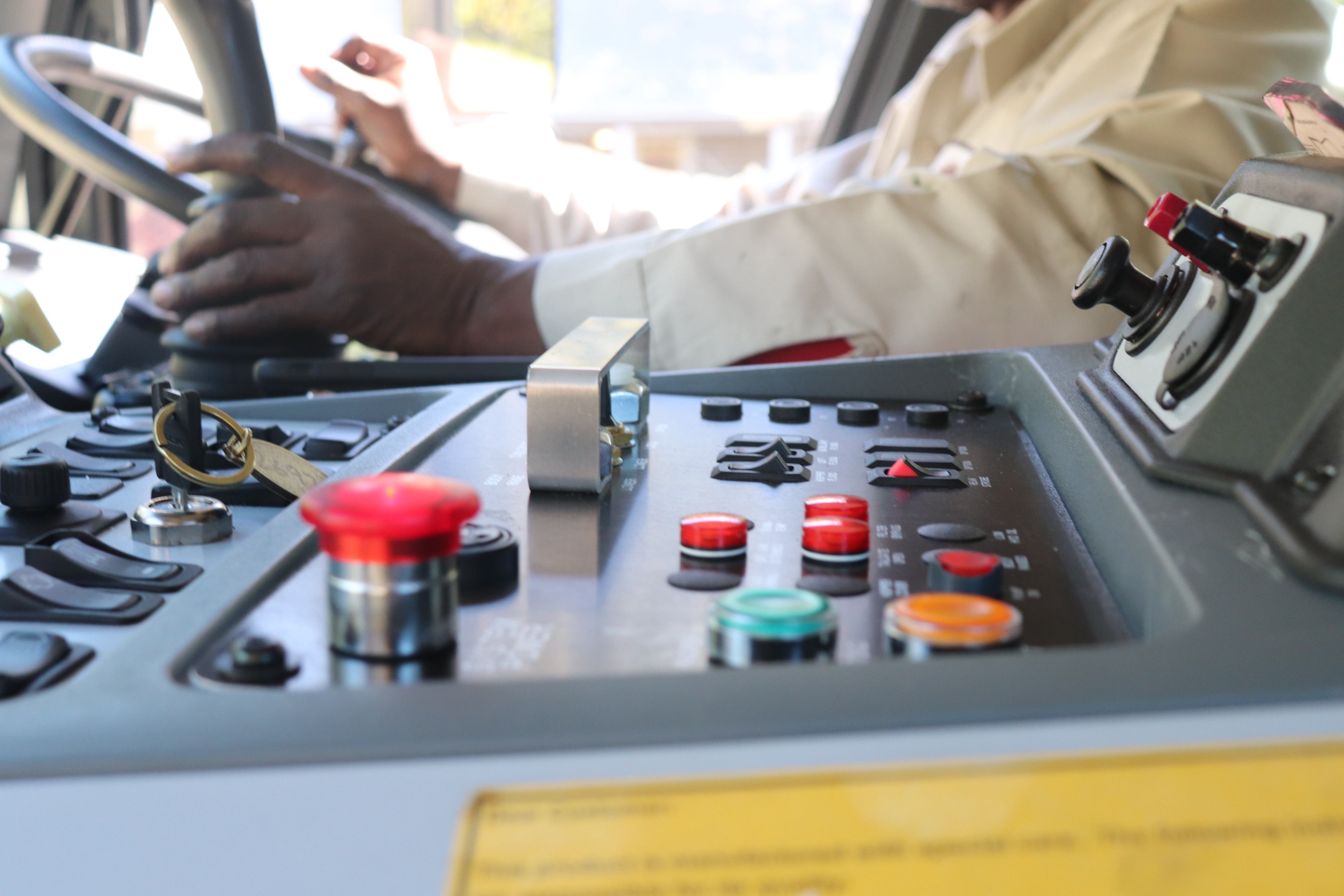
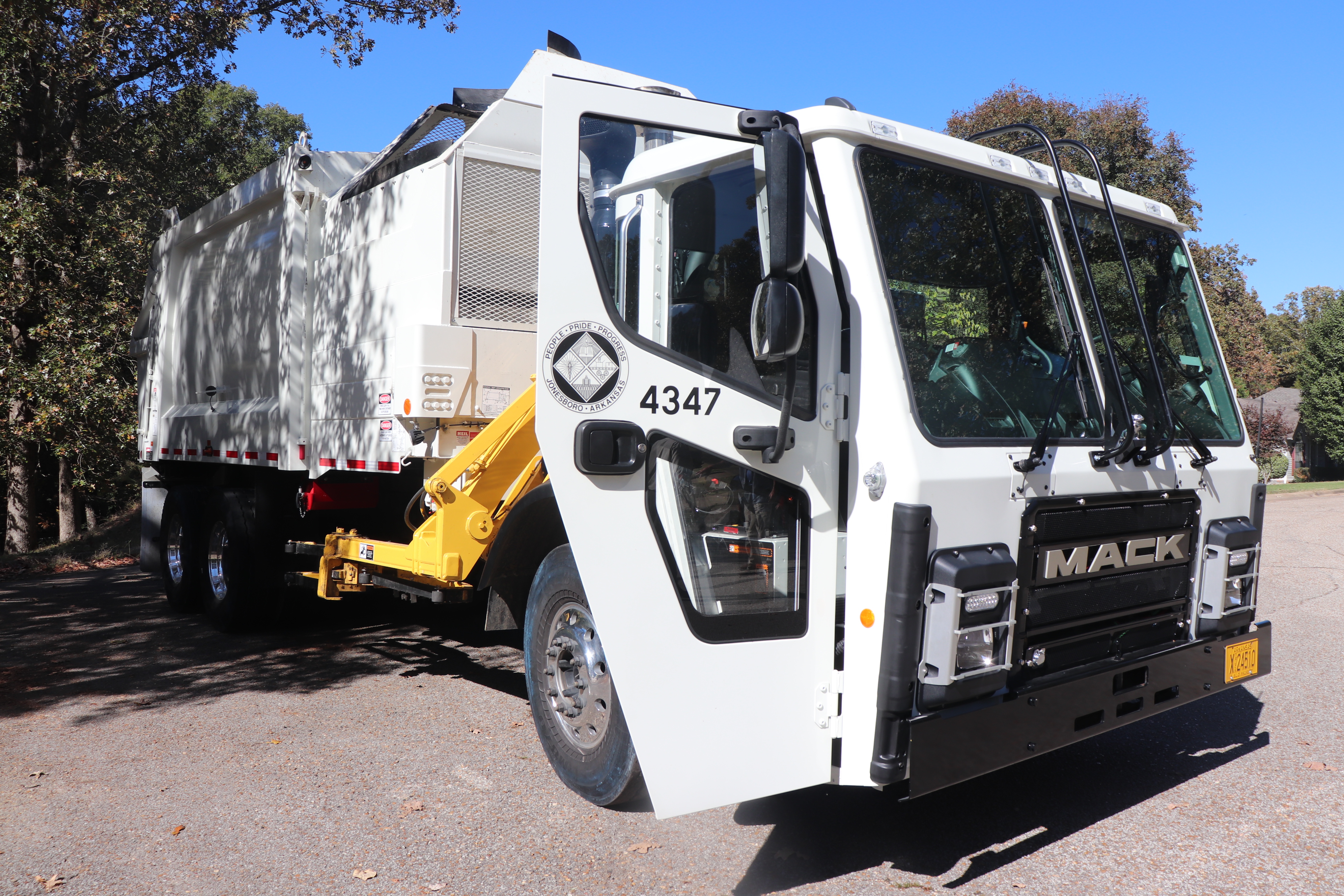
“We have seven to eight trucks that pick up residential and three smaller trucks for rear-door and disabled services,” Schweitzer said. They use different types of trucks for different needs. “We also have two rear-load, one front-load and one side-load truck for the apartment dumpsters,” she said.

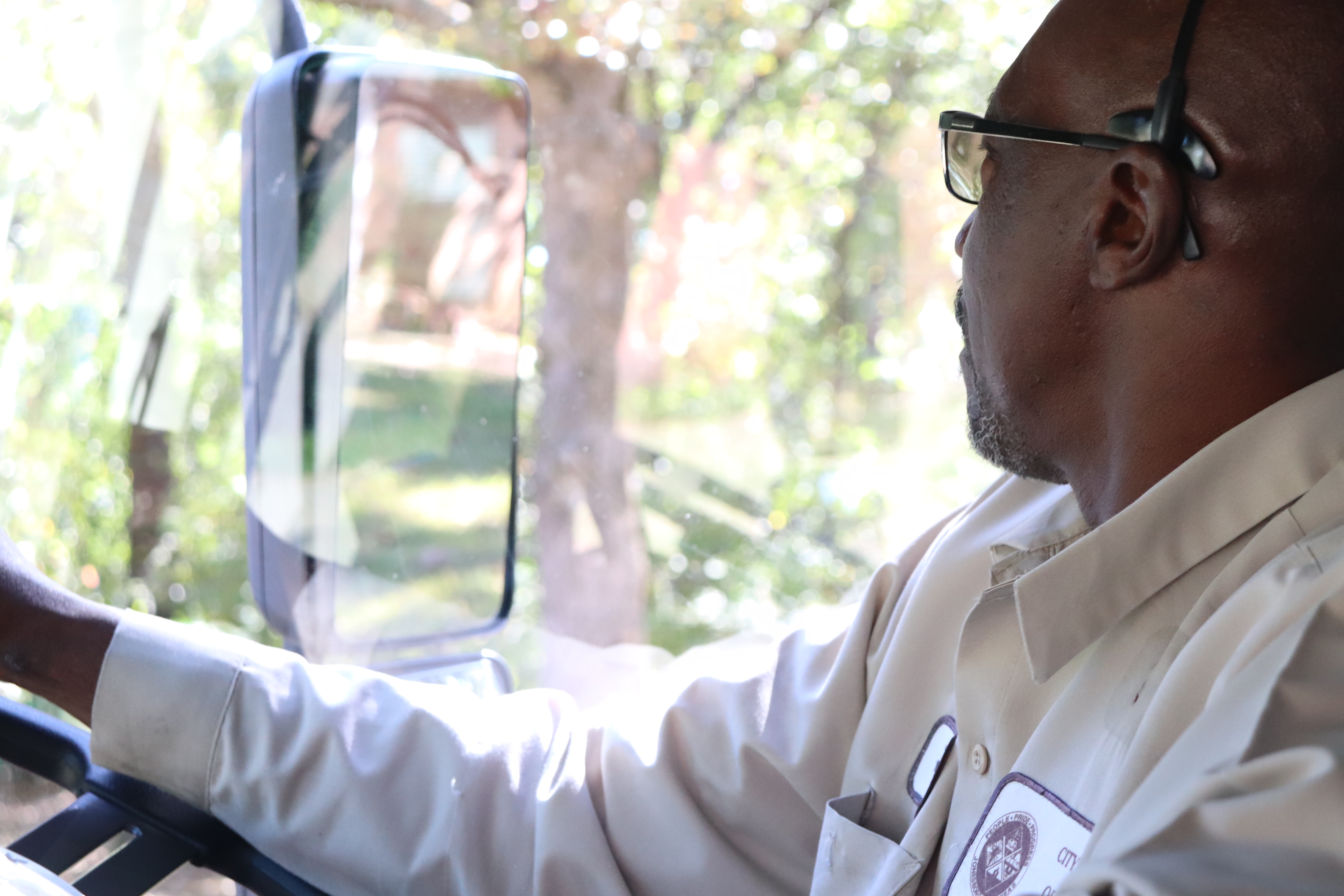
The operators for the trucks drive different routes each day of the week, according to Jerry Murrell, operator one for Jonesboro Sanitation 

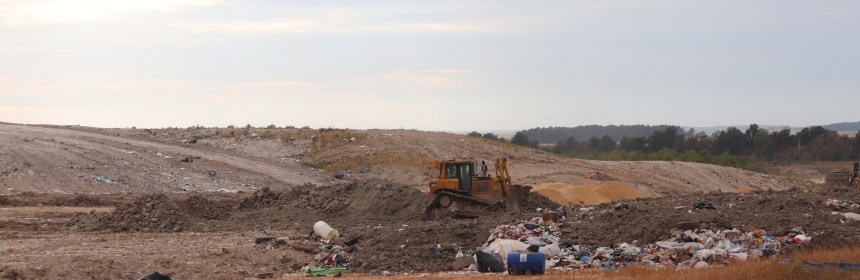
Once completing the garbage pickup routes throughout the city, the Jonesboro Sanitation Department takes all of the waste directly to Legacy Landfill. Their trucks sometimes make two-to-three trips to the landfill a day, Schweitzer said.

Arkansas is divided into 18 regional solid waste management districts, and waste generated in each district must be disposed of in that district, according to Angela Sparks, deputy director of Legacy Landfill in Craighead County. 

Districts vary in size, with some spanning as many as six counties. Craighead County, however, is a single-county district. Incorporated in 1985, most garbage in Craighead County goes to Legacy Landfill.

The landfill can’t take everything, though. Different types of permits allow for waste disposal; Legacy Landfill attained a class one permit, Sparks said. A class one landfill is the only class that is allowed to take residential trash, but it can also be used for disposal by businesses. 

The landfill in Craighead County won’t take any waste that is flammable, corrosive, ignitable or radioactive. Fire being a hazard for landfills, they can not accept any grass clippings, leaves or small tree limbs — those are brought to an incinerator at the Sanitation Department.

The landfill also won’t take large amounts of liquids to reduce leaching. 

Leaching results from waste disposal and, if it isn’t done properly, can cause damage to the environment. Toxicants and harmful liquids, like bleach or other chemicals, can seep into the ground and poison vital groundwater, as well as harm ecosystems.

Legacy Landfill’s system redirects any leaching into tanks outside of the landfill, which is then transported to a water treatment facility.

“We use PVC pipes at the bottom with gravel over the top to catch liquids that seep through,” Sparks said. 

Under the pipes, two feet of compacted clay and a thick layer of plastic further ensure protection.  

According to Sparks, the landfill is large enough to last “another 100 years,” but she said there’s a good chance we won’t need it for that long. 

“That’s assuming waste is disposed of the same way from now on as it is right now,” Sparks said. “Waste is not disposed of the same way now as it was 50 years ago, so there’s no reason to think that 50 years from now it’ll be the same. It’s going to change.”

With more green-conscious thinking and the emergence of the zero-waste lifestyle, people are trying to reduce the amount of waste that goes into landfills. 

An environmental concern about landfills is the production of methane, a greenhouse gas that can contribute to global warming. It comes from the decomposition of organic materials, like food scraps, when there is a lack of oxygen. 

Not only is methane a danger to the atmosphere, but it can be ignitible and explosive. Because the gas is colorless and odorless, this can be very dangerous and hard to detect. 

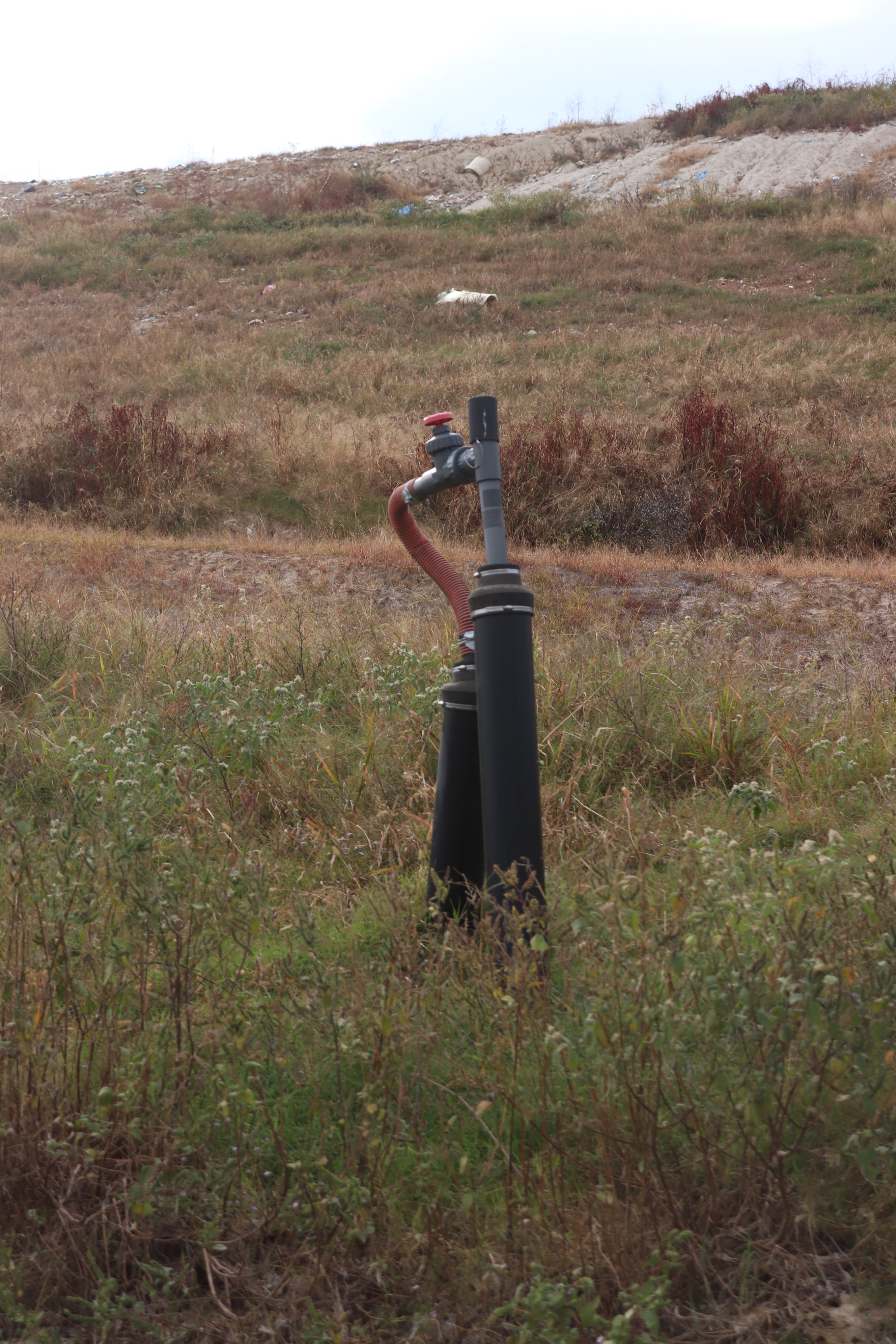
Legacy Landfill has implemented a gas collection system – a series of tubes that removes all the methane – to be flared off in what Sparks called “the eternal flame.” This reduces the risk of fire as well as cuts down on the landfill’s impact on the environment tremendously. 

Sparks said the landfill is working with the energy company Integrity to find a way to use the excess methane as a source of renewable energy. 

“Integrity did a survey on the area, and they think we’ll be able to use the gas as an energy project,”  Sparks said. “We’re hoping to get that up in the next couple of years.”

As one of about 2,000 operating landfills in America, Legacy Landfill is working toward reducing the harm waste does to the environment. 

Editor’s Note: Photos by Melissa Palumbo