Author Archives: Melissa Adelle Palumbo

Art grounds local culture

By Melissa A. Palumbo
Delta Digital News Service

One of the oldest forms of expression, art comes in many different forms and can be found in just about any corner of the world. 

Many artists in the United States work independently, with one-third being self-employed according to a study done by National Endowment for the Arts; half work with private companies and studios.

Jonesboro-based artist Jacquelyn Nicole Young said art can be vital in the development of a community.

“It brings people together,” Young said. “People who would never speak to each other or give more than a moment’s glance suddenly have something big in common.”

Companies like Hobby Lobby sell ready-made art available in large quantities, so people who want to enjoy art at a low cost are able to do so. David Green, store manager of Hobby Lobby in Jonesboro, as well as the corporate office, had no comment on this.

The industrialization of art, beginning in the 1800s, led to wider, easier access to art for anyone to have in their homes. Because prints can be duplicated quickly at little cost, more people are able to obtain art in the 21st century than any other time in history, according to a paper done by J.N. Nielsen, an author that studies the politics of art. 

On the flip side, though, the mass production and growing industry mean a decline in employment and commission opportunities for local and independent artists.

Jonesboro brought art back to the roots of the city, though, with businesses making efforts to present and display the works, sounds and creations of local artists. 

The Edge Coffee House, located near the Arkansas State University campus in Jonesboro, rotates art done by local artists regularly. Sculptures, paintings, prints and much more can be found within the coffee shop.

The Edge buys art from the community of artists to display in the coffee shop as well as to display for sale. They plan to expand their art scene and allow artists to post their work for commissions once renovations are complete.

“Local art gives culture, plain and simple,” Brian Nobles, co-owner and operator for The Edge, said. 

Artists who choose to sell their work through galleries and displays create the piece first. Then, if a person wants to purchase that piece, both the artist and the business may get a cut of the profit. Commission-based jobs allow artists to work with clients to create something new and original. 

“Local art stimulates the economy and defines a community more than corporate,” Nobles said. 

Many businesses in Jonesboro support the local art scene by showcasing undiscovered artists – not just for fine arts, but also for musicians, singers and bands. 

Creegan’s Irish Pub, a bar in downtown Jonesboro, hosts live, local bands.

“Almost every night of the week we have live music here, that’s what we shoot for,” Danny Nanney, a bartender for Creegan’s, said. “It was $2 bottles and tacos when I started here — now people come in every night expecting good music, and we deliver.”

Arkansas-based bands and artists can perform live for the community and get their name out, Nanney said.

“A lot of folks here consider us the music capital of Northeast Arkansas,” he said. “But there’s a difference between supporting local music and shitty music, so you have to be good to play here.”

The bar has hosted a number of locally-famous bands, including Shugar Pills and Bera Bera, as well as individual singers, guitarists and performers. Nanney also said the crowd turnout goes up when local bands play live at the bar, especially on the weekends. 

Nathan Smith, a vocalist and bassist, performs with Conway-based band Bera Bera. He began playing music at 6 years old, and he said local music pulls communities together.

“When a local band is touring the area, there’s a really big turnout for those businesses,” Smith said. “People come out to see their friends, support local art and have a good time.”

Bera Bera has performed at Creegan’s as well as White Water Tavern in Little Rock, Backspace in Fayetteville and Bearden in Conway, as well as other venues around Arkansas. 

“It feels like we’re all together in this,” Smith said. 

Another local musician, Jo Fore of Harrisburg, said local art flourishing shows signs of a community doing “something right.” Fore has performed covers of many genres, from rock to jazz, all around the state, including at Arkansas State University in Jonesboro. 

“Local artists showcase their unique talents cultivated by their hometown and bring a sense of elevated culture as well as revenue to the table,” she said. “As long as art has been around, it has been used to inspire and bring people together.”

Because art comes in many sounds, shapes, colors and feelings, strangers can find a common ground on which to stand and communicate. According to Young, no two artists see the world in the same light, which offers more perspectives in a community. 

“Art brings people to a bigger picture – seeing something as a whole instead of just one perspective,” Young said. “I think that can really help sculpt a community.”

Editor’s Note: Feature Photo by Melissa Palumbo

Waste and Recycling – Recycling Systems

By Melissa A. Palumbo
Delta Digital News Service

CRAIGHEAD COUNTY – Arkansas recycles more than average thanks to extensive programs implemented to make recycling clean and easy.

Of about 254 million tons of solid waste generated in the United States every year, 34% gets recycled, according to the Environmental Protection Agency; on average, Arkansas recycles about 45% of waste produced.

In many regions, third-party companies chiefly manage recycling. For Jonesboro, the Sanitation Department handles all curbside garbage and recycling, according to Cindy Schweitzer, supervisor of Jonesboro Sanitation. 

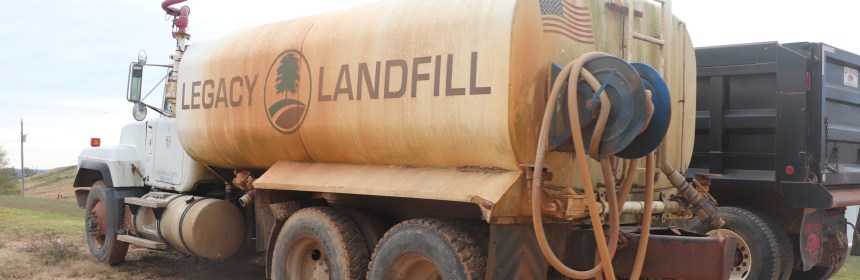
“We take garbage and recycling cans,” Schweitzer said. “Trash goes to Legacy Landfill to be buried that day, and recycling goes to Abilities Unlimited to be sorted.”

Both companies work directly with Jonesboro Sanitation — and other cities in the county — to ensure proper management of waste.

Any recycling brought to the Abilities Unlimited Recycling Center goes through a sorting process to separate different materials, which are then packaged for shipment.

Other companies can buy the raw recycled products to make new products while using less energy and producing less waste. 

Items that can be recycled include plastic bottles and containers, metals, cardboard and newspaper. Glass can not be placed in cans or dumpsters, but can be brought directly to the Abilities Unlimited Recycling Center. 

Legacy Landfill, the only landfill in Craighead County, also promotes recycling. Old or broken electronics are stripped of recyclable materials, and tires are collected for repurposing as well. 

Angela Sparks, deputy director for Legacy Landfill, said the landfill donates to Jonesboro and public schools for recycling services.

“We give about $2,000 dollars each month to local schools for recycling,” Sparks said.

Even with these efforts toward recycling, the Jonesboro Sanitation Department pays over $1 million in fees involving disposing of waste at the landfill. Schweitzer said if more people utilized recycling as a form of waste disposal, this amount “would be cut down remarkably.” 

Two years ago, the Jonesboro Sanitation Department switched from blue bag recycling to a can recycling system. The blue recycling cans get picked up on a schedule like grey garbage cans, usually every other week. 

The problem, Schweitzer said, lies with the separation of trash and recycling. While the department sees more participation from the curbside can pickup, apartment complexes face issues with residents treating the blue recycling dumpsters as garbage dumpsters. 

“It’s blue for a reason,” Schweitzer said. 

Superintendent of the Jonesboro Sanitation Department Donny Gibson said less people participated in recycling after the switch to cans. 

“It’s not up to what it used to be when we first started,” he said. When the city first started offering recycling services, about one-third of the Sanitation Department’s 30,000 customers recycled. “We’re at about 8,000 now,” Gibson said. 

Recycling not only reduces the amount of waste in the county landfill, but also cuts costs for individuals. Additional new curbside trash cans cost $75 – recycling cans cost $25.

Schweitzer said they require all trash to be inside the container for curbside pickup. “If there’s a house with a lot of loose trash,” she said, “we do suggest to them start recycling. Those bottles take up a lot of room, you don’t realize it until you don’t have them anymore.” 

Gibson encourages customers to recycle more. 

“In my household,” he said, “we bought a recycle container and my trash service has gone down by two-thirds.” 

Editor’s Note: Photos by Melissa Palumbo

Waste and Recycling – How Waste Works

By Melissa A. Palumbo
Delta Digital News Service

CRAIGHEAD COUNTY – An almost inevitable part of everyday life, garbage takes a long journey from a kitchen bin to a landfill.

Larger corporations hire independent sanitation companies to remove waste. For most people, whether it is put into a curbside trash bin or an apartment dumpster, waste gets taken away by the city sanitation department.

The sanitation department in Jonesboro services about 30,000 people, according to Cindy Schweitzer, supervisor of the Jonesboro Sanitation Department.

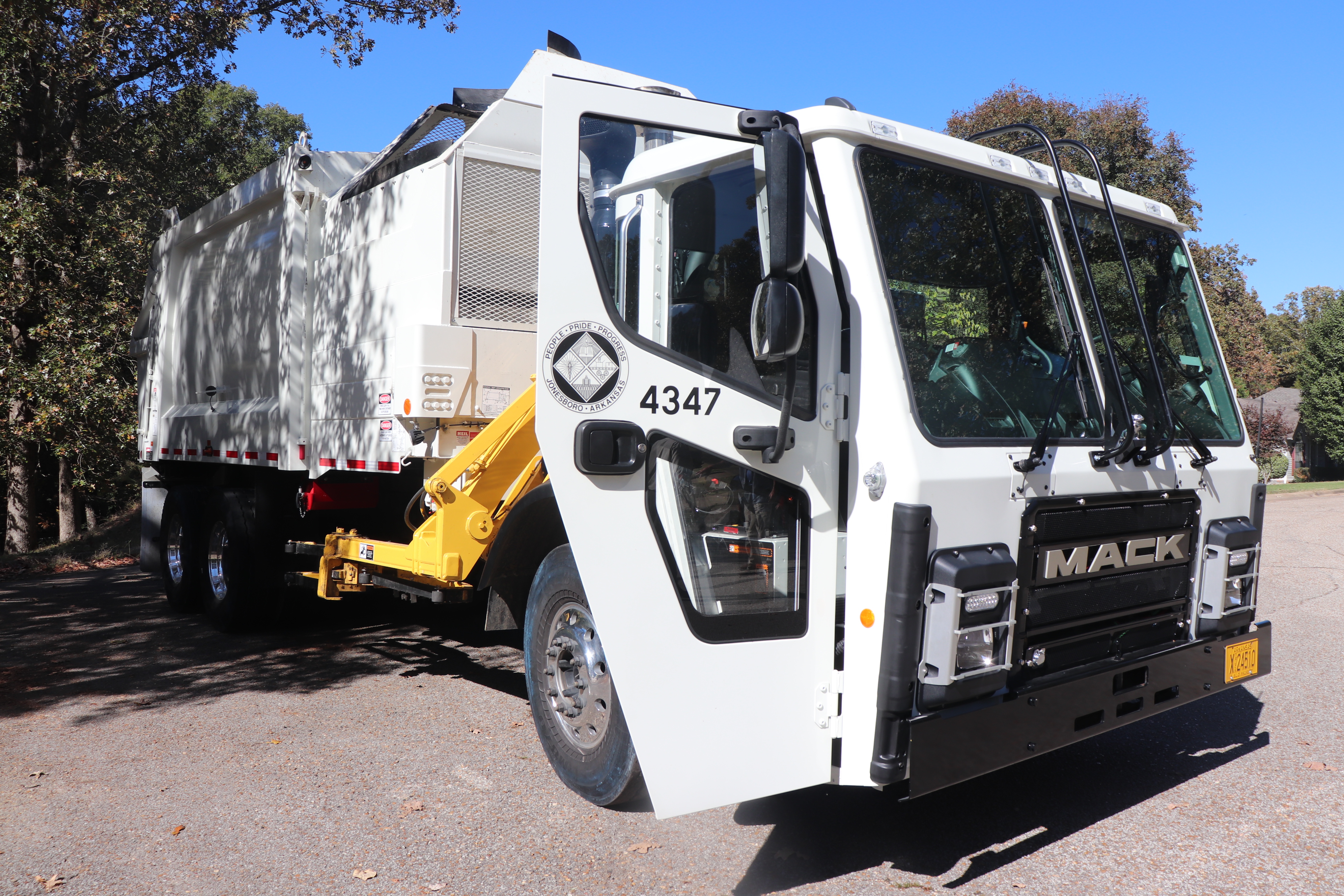
“We have seven to eight trucks that pick up residential and three smaller trucks for rear-door and disabled services,” Schweitzer said. They use different types of trucks for different needs. “We also have two rear-load, one front-load and one side-load truck for the apartment dumpsters,” she said.

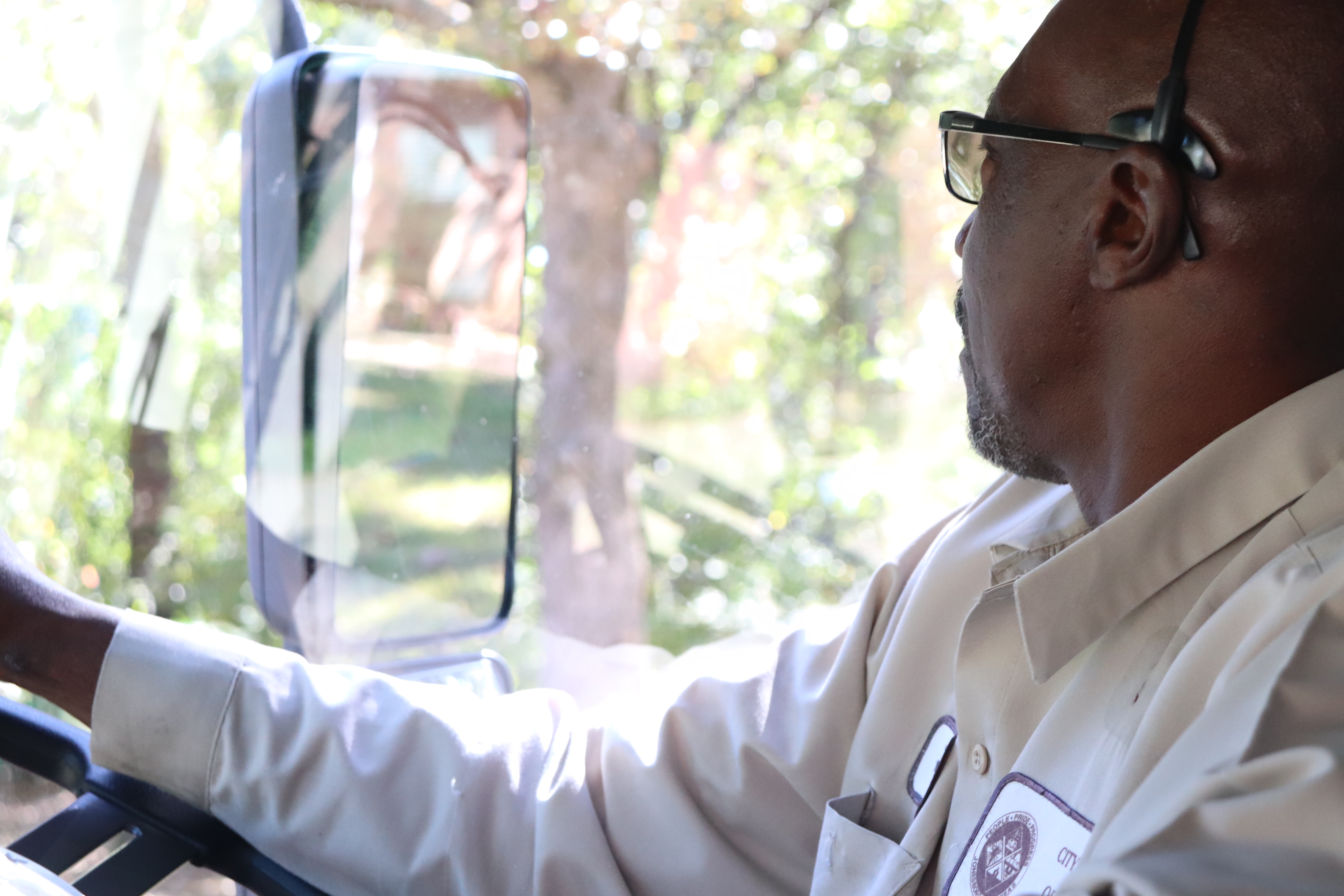
The operators for the trucks drive different routes each day of the week, according to Jerry Murrell, operator one for Jonesboro Sanitation 

Once completing the garbage pickup routes throughout the city, the Jonesboro Sanitation Department takes all of the waste directly to Legacy Landfill. Their trucks sometimes make two-to-three trips to the landfill a day, Schweitzer said.

Arkansas is divided into 18 regional solid waste management districts, and waste generated in each district must be disposed of in that district, according to Angela Sparks, deputy director of Legacy Landfill in Craighead County. 

Districts vary in size, with some spanning as many as six counties. Craighead County, however, is a single-county district. Incorporated in 1985, most garbage in Craighead County goes to Legacy Landfill.

The landfill can’t take everything, though. Different types of permits allow for waste disposal; Legacy Landfill attained a class one permit, Sparks said. A class one landfill is the only class that is allowed to take residential trash, but it can also be used for disposal by businesses. 

The landfill in Craighead County won’t take any waste that is flammable, corrosive, ignitable or radioactive. Fire being a hazard for landfills, they can not accept any grass clippings, leaves or small tree limbs — those are brought to an incinerator at the Sanitation Department.

The landfill also won’t take large amounts of liquids to reduce leaching. 

Leaching results from waste disposal and, if it isn’t done properly, can cause damage to the environment. Toxicants and harmful liquids, like bleach or other chemicals, can seep into the ground and poison vital groundwater, as well as harm ecosystems.

Legacy Landfill’s system redirects any leaching into tanks outside of the landfill, which is then transported to a water treatment facility.

“We use PVC pipes at the bottom with gravel over the top to catch liquids that seep through,” Sparks said. 

Under the pipes, two feet of compacted clay and a thick layer of plastic further ensure protection.  

According to Sparks, the landfill is large enough to last “another 100 years,” but she said there’s a good chance we won’t need it for that long. 

“That’s assuming waste is disposed of the same way from now on as it is right now,” Sparks said. “Waste is not disposed of the same way now as it was 50 years ago, so there’s no reason to think that 50 years from now it’ll be the same. It’s going to change.”

With more green-conscious thinking and the emergence of the zero-waste lifestyle, people are trying to reduce the amount of waste that goes into landfills. 

An environmental concern about landfills is the production of methane, a greenhouse gas that can contribute to global warming. It comes from the decomposition of organic materials, like food scraps, when there is a lack of oxygen. 

Not only is methane a danger to the atmosphere, but it can be ignitible and explosive. Because the gas is colorless and odorless, this can be very dangerous and hard to detect. 

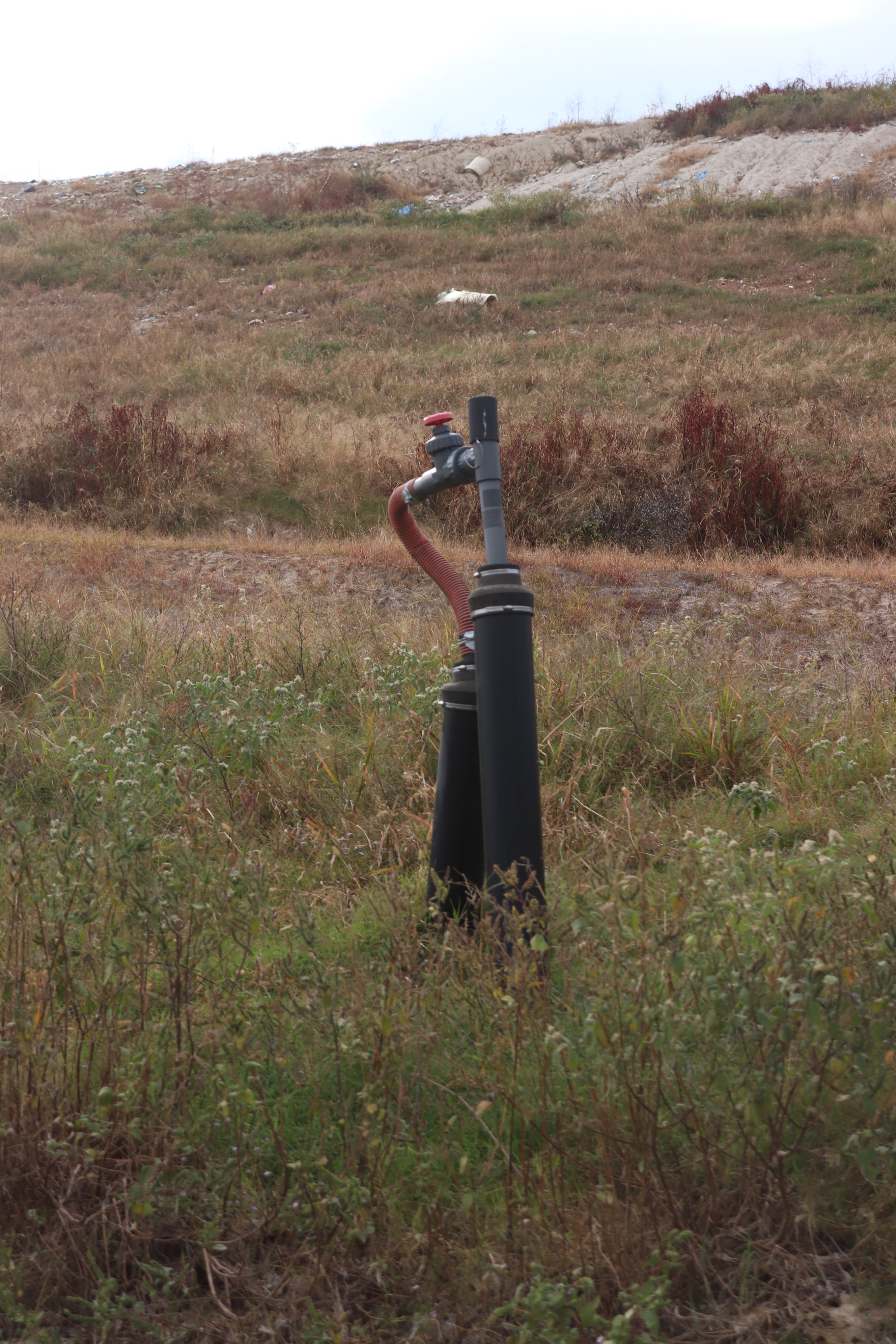
Legacy Landfill has implemented a gas collection system – a series of tubes that removes all the methane – to be flared off in what Sparks called “the eternal flame.” This reduces the risk of fire as well as cuts down on the landfill’s impact on the environment tremendously. 

Sparks said the landfill is working with the energy company Integrity to find a way to use the excess methane as a source of renewable energy. 

“Integrity did a survey on the area, and they think we’ll be able to use the gas as an energy project,”  Sparks said. “We’re hoping to get that up in the next couple of years.”

As one of about 2,000 operating landfills in America, Legacy Landfill is working toward reducing the harm waste does to the environment. 

Editor’s Note: Photos by Melissa Palumbo

Grocery store offers all-natural foods

By Melissa A. Palumbo
Delta Digital News Service

MOUNTAIN HOME – Local grocery store Truck Patch offers bulk foods and spices, all-natural beauty products and plant-based meals. 

Named after small farmers’ markets from the 1800s, the Truck Patch grocery store opened May 23, 2010 in Mountain Home. From there, the store added a larger Jonesboro location.

“We don’t currently have plans for another location, but we’re always open to expand,” said Mountain Home Manager Virginia Embry. 

Truck Patch sells ingredients by bulk, allowing customers to bring their own reusable jars, bags and containers with which to shop. 

Tori Forkum, assistant manager at the Truck Patch Jonesboro, said they tare the container before the customer shops. 

“You can bring your own jar and we weigh it,” she said. “Then we take the weight of the container off the final price.”

Many ingredients cost less to to buy in bulk than in individually packaged portions, such as spices and grains.

Olivia Simpson, an employee who works in the kitchen at the Jonesboro location, suggests reusable glass bottles and jars to cut back on waste.

“Buy bulk and ditch plastic,” she said. “Use glass whenever you can.”

The store carries plastic-free, plant-based and biodegradable household products. Products made from plants have a lower environmental impact than hard plastics made from oil, and paper packaging decomposes much faster than plastic wrapping. 

They also sell pet products, like biodegradable doggie bags, organic treats and food.

Truck Patch focuses not only on reducing plastic packaging, but also increasing healthy eating. Employees at Truck Patch help customers find ingredients to suit any diet, from vegan to paleo. They also help those with allergies, diabetes and other health needs find appropriate meals.

“Our staff is well versed in different diets, and we are more than happy to help,” Embry said.

Camron Collins began working at Truck Patch as a cashier about four months ago. He said he was drawn to his job because of his interest in health-conscious eating and reducing environmental impact.
“When we started damaging our environment, it was fast,” he said. “We’re starting to revert that now. It took a lifetime to realize it, but we’re a force.”

Truck Patch strives for zero-waste within the business and community, according to Embry. Because of the large population of farmers in the area, the Mountain Home location established a composting system. 

“We are considerably smaller than the Jonesboro location, but we do pack a big punch,” Embry said. 

The Truck Patch Jonesboro plans to carry composting supplies in the future.

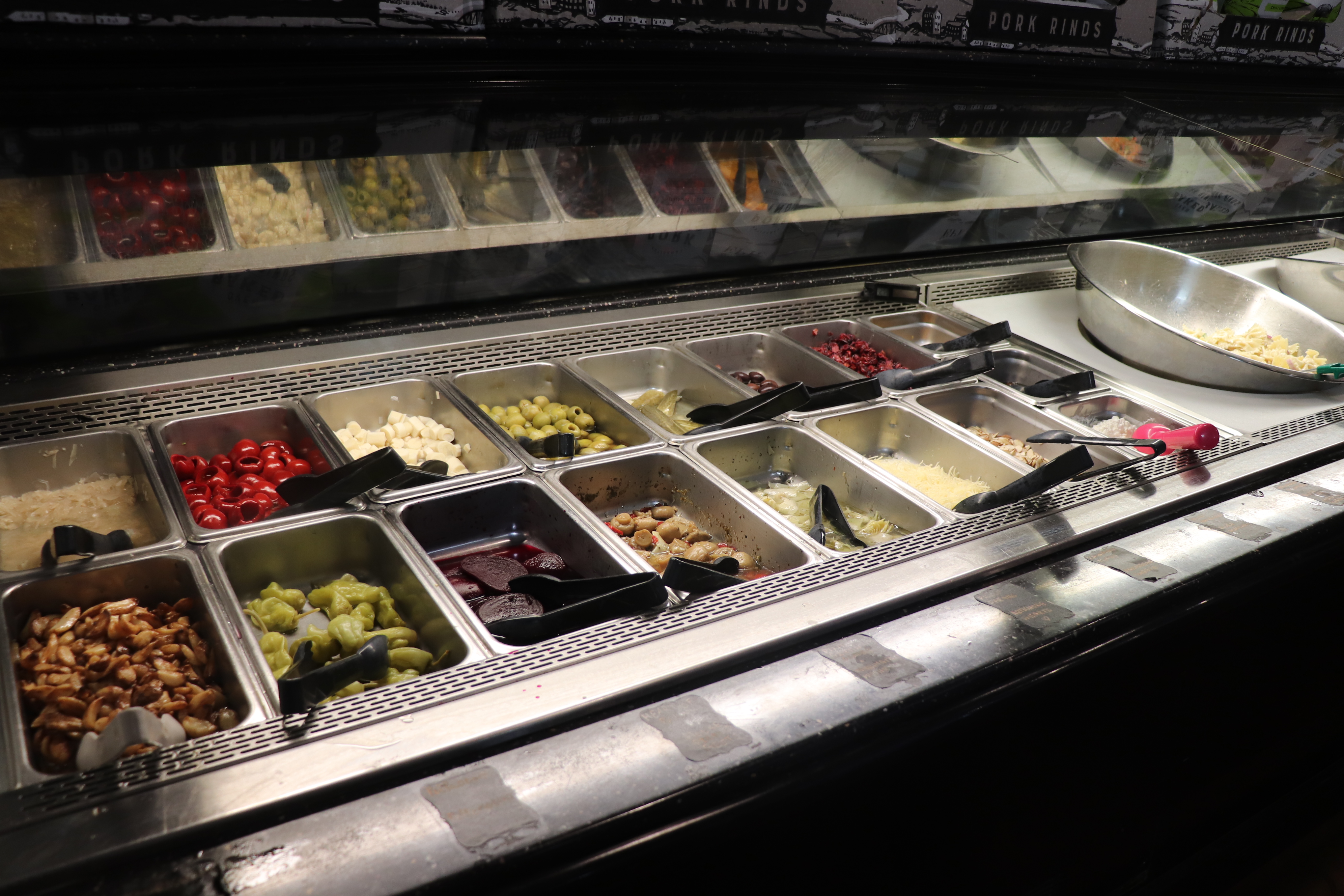
When the Jonesboro location opened in 2015, the Stem and Spoon Cafe was added within the store. The cafe offers a variety of sandwiches, salads, sides and drinks. All the ingredients Truck Patch uses stay organic and hormone-free.

“We use ingredients from the store,” Forkum said. “The kitchen workers will ‘grocery shop’ for the cafe.”

To avoid waste, fruits and vegetables that aren’t as pretty as the rest are turned into smoothies. Food that doesn’t sell is often given to employees.

“We don’t throw anything away,” Embry said. 

Editor’s Note: Photos by Melissa Palumbo.

Students turn out for Global Climate Strike

By Melissa  Palumbo
Delta Digital News Service

Memphis, Tenn. – Millions of people from over 150 countries took to the streets Sept. 20 to demand action for climate change.

Protests and strikes led by young activists and students around the world will run through until Sept. 27 in a movement known as Global Climate Strike. There were local protests in Memphis and West Plains, Missouri, and a strike is scheduled at the Arkansas State University campus in Jonesboro Friday.

This new wave of environmental awareness began with 16-year-old Greta Thunberg, who walked out of her Friday classes each week to bring awareness to crises affecting the planet. 

“We will do everything in our power to stop this crisis,” the Swedish activist said Sept. 20 at City Hall in New York City.

One Memphis local brought the global climate strike closer to the Delta. Jojo Sigala, president of the Progressive Student Alliance University of Memphis chapter, led an afternoon protest in front of City Hall in Memphis. 

“Our kids will learn about the Great Barrier Reef like we learned about the dinosaurs,” she said during her speech.

While the global climate movement this week is led by the younger generations, those who have been protesting climate change for decades made appearances, as well as organizations that stand on behalf of the earth. 

For over 65 years, The Nature Conservancy has been working to combat the climate crisis in all 50 states and 72 different countries. 

Two representatives for The Nature Conservancy attended the Memphis Strike, where they were fundraising and helping to raise awareness of issues impacting the environment. 

“We focus on water shortages and pollution, and we replant trees for a more sustainable tomorrow,” Nathan Murray, a Memphis representative, said. “We’re here for the cause.”

The estimated 4 million participants from around the world this week will make this the largest climate protest in history. 

Citizens are demanding people in power to take action, as they chanted in the streets “No more coal, no more oil, keep your carbon in the soil,” with signs that read “Don’t defund the EPA.”

Jillian Johnson, an Interdisciplinary Studies student at Memphis University and environmental activist, participated in the protest at Memphis. 

“I’m here because the wrong Amazon is burning and the wrong ice is dissolving, so I think change needs to happen. The only way it’s going to happen is for us to do something about it, because, obviously, the people in power haven’t done anything and don’t want to do anything.”

Audit Leads to A-State Procedural Changes

by Melissa Palumbo
Delta Digital News Service

JONESBORO — Recruiting T-shirts led to a change in procedures at Arkansas State.

An Oct. 11, 2018 complaint to A-State Internal Audit concerned a large order of T-shirts placed by the Office of Recruitment.

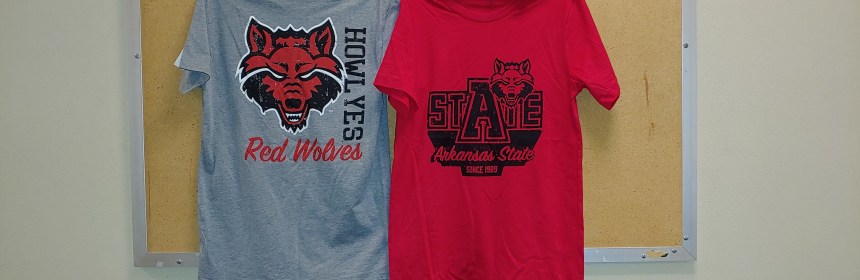
An administrative specialist entered the requisition for the shirts to Procurement Services in July. The order, consisting of 4,000 grey “visit” T-shirts for $8,800 and 1,800 red “Pack Preview” T-shirts for $26,700, totaled over $35,000. The order was miscoded as being under $20,000.

The shirts were nonrefundable due to the different patterns and colors applied.

University regulations and Arkansas law require orders above $20,000 to be bid out to vendors in the community and to receive at least three competitive bids. However, the university only obtained one bid from Running Threads, a vendor that previously worked with the university.

Initially, contact was made with both unlicensed and out-of-state vendors, which goes against university regulations.

Special Events Coordinator Teresa Dunton, a member of recruitment, had no comment.

The purpose for bids from at least three local vendors for larger orders is to allow Jonesboro businesses the opportunity to work with the university, make money and get recognition if they do good work. Choosing to only allow one, previously commissioned vendor obtain the bid took away the chance for local businesses to grow.

The vendor asked Procurement Services if the order should be split into two separate orders. This did not meet regulations as all 5,800 T-shirts were ordered at the same time for the same purpose.

Procurement Services replied, “Two separate invoices please.”

Running Threads received about $9,000 as part of the payment for the approved T-shirts before the order was caught.

The orders were approved by Dunton and Polly Marshall, director of Admissions and Assistant Vice Chancellor for Enrollment. Katie Davis, the purchasing technician for requisition and budget, stamped the orders as approved at 2:48 p.m. on Sept. 12. Davis had no comment on the approval.

Even though the orders were separated, the order containing the red “Pack Preview” T-shirts exceeded the $20,000 limit and should not have been approved at this level.

The Purchasing Technician for Requisition and Budget incorrectly wrote in red ink that both orders were under $20,000.

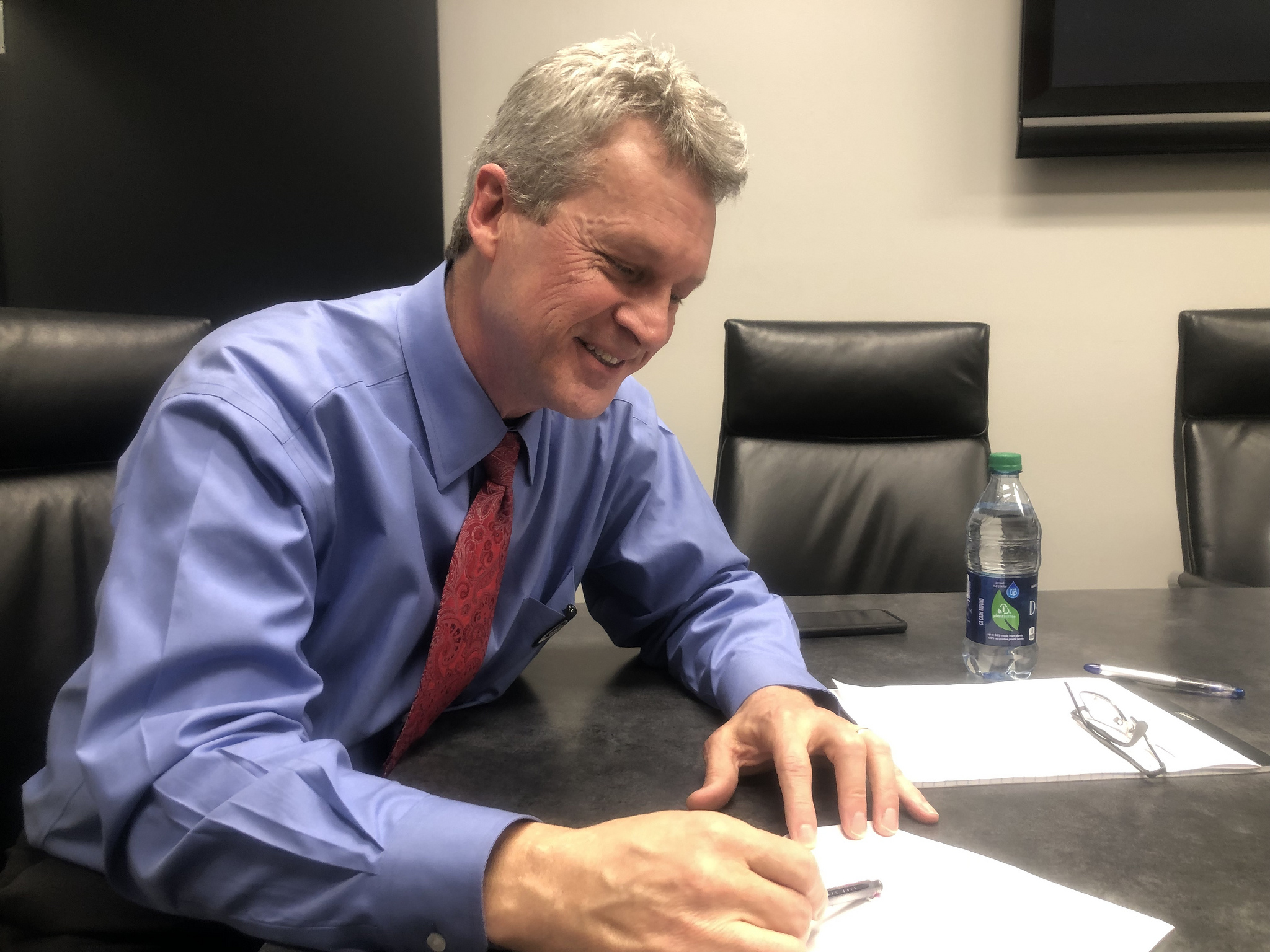
Vice Chancellor of Finance and Administration Len Frey (photo by Melissa Palumbo)

Executive Vice Chancellor for Finance and Administration Len Frey said the two levels of approval failed to recognize the error potentially due to employee unfamiliarity with the policies and procedures.

Every year, recruitment orders T-shirts to be distributed during events in the fall and spring semesters. This academic year, more shirts than usual were ordered to give to potential incoming freshmen in the newly finished Welcome Center.

Because of the events that launched this audit, restructuring and other changes have taken place in the Procurement Services.

“We have been working on a number of changes in the procurement area,” Frey said. “As a result of this, there have been corrective actions taking place.”

While training for personnel in the Procurement Services previously stopped, Frey said it should not have been a reason for the mistake to have happened. However, as part of the restructuring, training will be “beefed up” not only for Procurement Services, but also in other departments including Human Resources, Information Technology and security.

At the time of the order being processed, Procurement Director Lola Langley did not report to a higher level in the organization. This caused communication challenges. As a result, the procurement office immediately had Carol Barnhill, director of contract administration and strategic sourcing, begin reporting directly to Frey.

Barnhill identified the mistake that launched the audit in October, after which Frey promoted her to the first Chief Procurement Officer to identify any potential concerns in the future. Barnhill assumed the position after an announcement made Feb. 28. In addition to her responsibilities in the procurement office, she will also oversee Contract Administration and Strategic Sourcing.

Additional changes will be made to the administrative staff and leadership, and the new staff will report directly to Russ Hannah, associate vice chancellor for business and finance.

On March 13, Chancellor Kelly Damphousse announced a new 16-member Strategic Plan Steering Committee. The committee consists of members who have been working in their position for some time, like Hannah and current Provost Lynita Cooksey, as well as newly appointed individuals such as the new Vice Chancellor for Enrollment Bryan Terry.

“Something like this should not happen again,” Frey said. “Something like this should not have happened in the first place.”