Category Archives: Services

Mama 2 Mama, a local nonprofit organization and podcast, provides free diapers and shelter to needy mothers

Delta Digital News Service

Wednesday, May 1, 2024

By Avery Jones | Editor

JONESBORO, Ark. – Mama 2 Mama, a new nonprofit organization in Jonesboro, recently celebrated their one year anniversary. They were officially established in 2023 on International Women’s Day, March 8. 

Mama 2 Mama provides services, advice, and connection for mothers, especially those who struggle financially. They also host a podcast in which they discuss the struggles of motherhood and promote resources for mothers.

“Mama 2 Mama was established to lift the physical, psychological, and financial wellbeings of mothers,” said Brionna Palmer, the executive director. “Regardless of their hardship, we are aiming to help with their development and create a path to motherhood success. We want to lift those barriers and be able to provide services and supplies for immediate and long-term needs.”

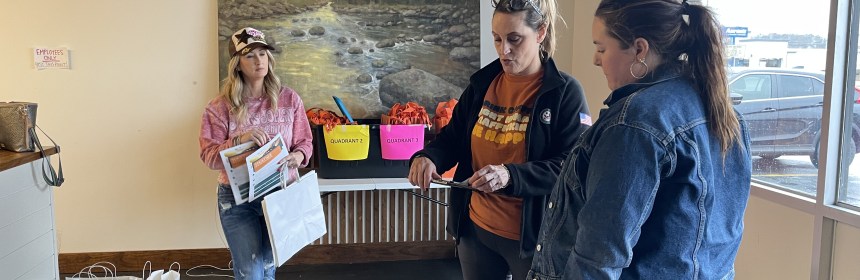
Diaper drive on March 30.

Currently, Mama 2 Mama has a diaper assistance program and a rapid rehousing rental assistance program. The diaper assistance program provides free diapers to those who need them, and the rehousing assistance helps to get struggling mothers a place to live.

The diaper assistance program began as a diaper drive in which they collected donations to provide free diapers to the local community, which they still do frequently. Palmer wanted to not only alleviate the need, but also spread awareness about it.

According to Palmer, one in two U.S. families struggle to afford diapers. The cost of diapers has increased from $80 to $100 per month for most families. She wants to eventually be able to provide enough diapers for up to three months at a time for each family that needs it.

At their most recent diaper drive on March 30, they were able to provide diapers for over 66 families. Altogether, from their first diaper drive, they have been able to serve 154 families.

Their rehousing assistance program aims to help mothers get their own place to live. Most of their participants rent, not own, so it can sometimes be a struggle to stay stably housed, especially considering inflation. 

“It’s always a mother’s dream to have a room set aside and decorate it for her child,” Palmer said.

Palmer (left) with Ms. Garza (right), the mother who they rehoused.

The program provides the deposit and the first month’s rent to allow the mother to find her bearings. It’s a very new program, so they’ve only had one beneficiary so far. The mother, who has three children, was staying with a relative. Mama 2 Mama partnered with Cox-Wortham Real Estate to help her find affordable housing.

“Staying on someone’s couch was not appropriate for her family,” Palmer stated. 

Mama 2 Mama started out with a podcast, of which they still periodically release episodes. Palmer launched the podcast with her cohost and current business partner, Jada Alloway. They collaborated with KLEK, a local radio station. 

“We just started inviting other local business owners, entrepreneurs, women, mothers that are out serving the community of Northeast Arkansas,” Palmer said. “We just bring them all to uplift and encourage other mothers that it is possible to obtain your dreams and be around like minded women, individuals in Jonesboro and other counties as well.”

On the podcasts, they typically discuss the daily life of being a mother, their dreams, their faith, ways to network, and their upcoming events. They also bring awareness to other organizations, businesses, and resources for mothers.

Palmer was inspired to start Mama 2 Mama because she was feeling overwhelmed herself due to her career and her job as a mother. Palmer previously worked for another nonprofit organization at which she began to feel overloaded.

“I just felt like I was limited to the resources here,” Palmer said. “I started doing some research and trying to find some mom groups and some organizations that help mothers…I saw that there wasn’t too many.”

From here, she branched out and researched the diaper need as well. She realized that this was something she could do herself; she had the skills from her previous job and didn’t see any reason why she couldn’t found her own organization for mothers.

She wanted for mothers like her to feel connected and appreciated, regardless of their financial situation or employment status. As a mother, she knows that motherhood is a full-time job in itself. Her goal is to help mothers reach their best life.

Currently, Mama 2 Mama is funded primarily by banks and other local businesses and organizations that engage in community reinvestment. They haven’t received any grants as of yet, but hope to soon and are preparing to be grant-ready.

Palmer’s future vision for Mama 2 Mama is to have their own facility, which will be called a “community hub.” She wants to offer childbirth education, therapy and counseling services especially for postpartum depression, financial literacy courses, and a computer lab for mothers to do research and apply for jobs.

-30-


Note: Featured image shows Jada Alloway (left) and Brionna Palmer (right).

Mental health experts highlight youth mental health concerns amid TikTok ban vote

Delta Digital News Service

April 4, 2024

Laila Casiano | Contributor

JONESBORO, Ark. – Amidst a unanimous decision by the U.S. House of Representatives to ban TikTok nationwide, mental health experts discuss concerns over social media’s negative impact on young people’s well-being.

     The use of TikTok created a point of contention in the United States, with national security concerns being the primary reason for its potential ban. Yet, additionally, state lawmakers raised concerns about the impact of social media, particularly TikTok, on the mental health of young people. This resulted in the implementation of age parental consent policies. However, the importance to question whether TikTok specifically is a genuine concern for young people’s mental health decline remains crucial.

     “Research shows that teens are spending upwards of five plus hours a day consuming social media (such as TikTok and YouTube), and one of the most relevant links has been girls’ social media use and loss of confidence,” Daniel Wysocki, a licensed psychological examiner for Wysocki Psychological Services, said.

     Wysocki identified social media as significantly shaping the mental health of young people outside of family dynamics. According to the 2023 Girl’s Index, 57% of girls reported social media influence on their desire to change their appearance and to plummet their self-confidence by falling under social pressures to “feel pretty.”

     However, this does not just affect young girls; Wysocki advises parents to be alert to teenage boys’ growing distress with their physical appearance. 

     “In my practice, I’ve observed an increase in distress and obsession with appearance among young men compared to earlier years of my practice,” Wysocki said. 

     Wysocki said as a provider, he offers Attention-Deficit Hyperactivity Disorder (ADHD) testing and experienced many people coming into his clinic based on TikTok recommended videos to identify ADHD tendencies or through ADHD “hack” videos. Wysocki notes an additional positive outlook as he is also seeing young people’s social media usage encouraging teens to seek help and to learn how they can lead a promising life, reducing the stigma of asking for support/help and talking with mental health professionals about their wellness.

     “TikTok has changed how children consume social media as it is now endless,” Wysocki said. “It is no longer a connection to friends and acquaintances; it has expanded into every aspect of daily life, and they can live vicariously alongside their favorite influencer. TikTok is (still) the leader in creating an endless loop of consumable snacks.”

   Wysocki said critics may not address the root causes of mental health issues among the youth and should at least offer alternatives. 

     “There are no simple answers to most of the issues we are facing when raising our children, but free and endless access to unrestricted social media is a big enough risk to developing minds that regulation should be considered. It would be no different than a license to drive a vehicle,” Wysocki said. 

     As Wysocki highlighted the transformative nature of TikTok on social media consumption, JoAnne Powell, a licensed professional counselor from Elysian Counseling Service, discussed the nuanced complexities surrounding TikTok’s impact, emphasizing both positive and negative attributes. 

     Powell claims that connection, support, access to information, expression and creativity highlight these positive attributes of the social media app. The negatives consist of young people comparing themselves or fearing missing out (FOMO). This often manifests itself in creating an “unrealistic portrayal of life” and leads to teens feeling inadequate, inhibiting low self-esteem and FOMO.  Other negatives Powell recites are cyberbullying, addiction, distraction (decreased senses of productivity, poor sleep quality, increased feelings of loneliness and isolation) and validation seeking (manifest in difficulties in creating boundaries).

     “Teaching youth ritual thinking skills and media literacy can help them navigate social media more responsibly and discern between accurate information and harmful content,” Powell said. “While social media has the potential to positively impact the mental health of youth, it is essential to address the negative consequences and implement strategies to promote responsible and healthy usage.”

     Powell said through her professional observations, she noticed an increase in young people’s anxiety, stress, their sense of negative self-perception, and an impact on social and interpersonal relationships, which affected other social skills like trust, conflict resolution and basic communication skills. 

     In therapy sessions, Powell said exploring these observations with clients help them develop better coping strategies, build resilience and cultivate a healthier relationship with social media.

     “This may involve psychoeducation on the impact of social media on mental health, teaching stress management techniques, fostering self-compassion and promoting a balance in online and offline activities,” Powell said.

     In line with Powell’s emphasis on compressive approaches to addressing social media’s effects, Jessica Richardson, licensed clinical social worker and therapist for The Best Of You, discussed the importance of maintaining open communication and setting boundaries with youth to ensure their safety and well-being in the social media world.

     “As a therapist and parent of a teen, I understand it’s difficult to navigate that area between respecting privacy while also trying to protect them. I think that modeling appropriate behavior and interactions could be a good start,” Richardson said. “So many people behave in ways that startle me a bit on social media. I’m not sure why we would expect kids to avoid things like bullying when many adults do it.”

     Richardson said it’s important to provide education related to safety and moderation rather than rely on government regulations on certain social media platforms. Additionally, she said social media may not be the singular cause of mental health concerns and banning a specific platform isn’t going to resolve the issue. 

     “For some, the concerns might be directly related to mental health, and for others, there could just be benefits to limiting the use of screens/technology in general,” Richardson said. “I think we can acknowledge the positive aspects of being connected through social media and the creative options that it provides while also being responsible with it and its use.”

     As Richardson highlights the nuanced perspectives on social media usage, the pending decision on the national TikTok ban emphasizes the ongoing battle of balancing social media’s benefits and potential risks, like TikTok, in modern society.

     The platform’s future remains unclear until the Senate votes for the national TikTok ban, but President Joe Biden announced he would sign the bill once it is sent to him. For now, the bill resides with the Senate Commerce Committee until the six-month deadline for TikTok CEO Shou Zi Chew to either sell the company from its Chinese parent company, ByteDance, or be banned nationwide. 

-30-


NOTE: Feature graphic courtesy of Ampfluence

Hope Found NEA hosts 4th annual Date Night With A Purpose

Delta Digital News Service

Monday, Feb. 26, 2024

By Laila Casiano | Contributor 

JONESBORO, Ark. — Hope Found of Northeast Arkansas (NEA) recently celebrated its 4th Annual Date Night with a Purpose to raise funds to combat human trafficking, earning $21,717.74.

     Co-founders Megan Brown, Audra King, Mary Sellers and Miranda Ballard founded the organization in 2018 to provide resources and services to individuals affected by human trafficking. They began a fundraiser event that would raise money for these services. 

     “The idea is that you can enjoy a fine-dining meal from your home,” Brown, the executive director of HopeFoundNEA, said. “We partnered with award-winning restaurants and chefs, and so for this year, we partnered with award-winning chef Dana Lamel and the award-winning bakery Southern Confections.”

“The idea is that you can enjoy a fine-dining meal from your home. We partnered with award-winning restaurants and chefs, and so for this year, we partnered with award-winning chef Dana Lamel and the award-winning bakery Southern Confections.”

Megan Brown, executive director and co-founder of HopeFoundNEA

     On February 16, customers bought a ticket that would include two dinners and desserts to choose from. This year’s menu consisted of wild mushrooms and beef tip paste in a brown demi sauce, chicken Tuscan pasta, pasta primavera, served with an additional Caesar salad, homemade garlic bread and a cheesecake for dessert. The meals then would be delivered to the customers’ home (within a 25-mile radius of Jonesboro or an option for pickup) between 5:30 p.m. to 7:30 p.m.

     The initial launch of Date Night with a Purpose happened in 2020, during the COVID-19 lockdown and social distancing and Brown said it worked out perfectly and was a “huge success” for them.

     “When we first started, we were looking for a fundraiser idea that hadn’t been done around here yet,” Brown said. “We had a partner (Ancora TN) and they do a similar fundraiser, and they call it the ‘No Show Ball,’ and so we quickly recognized that this type of fundraiser wasn’t done around here.”

     HopeFoundNEA schedules three major fundraisers yearly, the first being Date Night with a Purpose, where the goal for this year’s fundraiser was $40,000.

In June, they have a motorcycle ride-in called “Riding Against Trafficking” in the Fall, they have a coffee festival. In these fundraiser events, they utilize volunteers to help execute those events. For Date Night, three volunteers —Sherrie Mitchell, Bridgette Craig and Paige Pickering — attended to help deliver the dishes to customers who bought a ticket.

     Mitchell, a Jonesboro native and mother of Brown, helps her daughter with HopeFoundNEA and helps with their fundraiser events, holding a position as a member of the advisory board since 2018. Mitchell took charge over listings for delivery.

     “We have sold tickets, and we have sponsors for this dinner,” Mitchell said. “This is just a great thing to help and support our program.”

     Craig, a Brookland native and new to the board since October, began as a volunteer for the program’s coffee festival.

     “We have a lot of community sponsors, so in addition to ticket sales, we have sponsors that will help fund and educate and fight against human trafficking,” Craig said.

     Paige Pickering, a board member with HopeFoundNEA from Searcy, Arkansas, said this is her first Date Night with a Purpose event. The company that she’s employed by, Life Strategies Counseling Inc., sponsored events for HopeFoundNEA in the past.

     “I have not been ‘boots-on-the-ground’ helping with this (before), so I am really excited,” Pickering said. “I am really excited to hopefully answer people’s questions and see what they can learn about our mission and generally being face-to-face with people.”

     The money raised would be used to provide case management services for the survivors they serve. HopeFoundNEA currently employs one survivor advocate on their staff, and with this money, Brown hopes they can hire another one to serve more people.

     HopeFoundNEA conducts many educational presentations for the community or those who want to learn about human trafficking. Last year they educated 5,000 individuals within the area. Recently, they have been teaching the youth about human trafficking through virtual reality (VR), where they have VR headsets to teach the students about the survivors of human trafficking. The Youth can essentially live through the eyes of the victim and learn how they can be “tricked and lured” into trafficking through a fictitious environment and circumstances.

     Brown hopes that the community will become empowered and educated in knowing what signs to look out for regarding human trafficking.

     “We are here, and human trafficking does happen here; a lot of people think that human trafficking is something that happens overseas or in big, larger cities, but unfortunately, it does happen here,” Brown said. “I want them to know that there is a program here that is meeting the need for these victims that are recovering from trafficking, and there is a program here that is providing education for the community.”

Donations are still open.

– 30 –


NOTE: Feature photo shows from left, members of HopeFoundNEA, Bridgette Craig; Sherrie Mitchell; Paige Pickering

Walmart donates to food pantry on ASU campus

The ASU food pantry and Walmart team up to provide more to campus community

Delta Digital News Service

Friday, Dec. 1, 2023

By Avery Jones | Editor

Recently, the Jonesboro Walmart on Highland has been donating to the food pantry on the Arkansas State University Jonesboro campus. The partnership was arranged by Every Child Is Ours, a nonprofit organization headquartered in Tuckerman.

Use of the food pantry is available to anyone with an ASU ID–student, faculty, or otherwise. With the large number of people in need, it can be difficult to keep up with demand, according to Jameson Archer, an ASU student and the president of the volunteer council.

Every year, the food pantry serves 3,000 to 4,000 students and employees. In July of last year, they served 700 people. Usually during summer break, that number would be around 200 since most students are off-campus at that time, so the demand has seemingly increased.

“There are a lot of times where they’re really having to strap to get people food,” said Dean MacDonald, a graduate student at ASU who also works with Every Child Is Ours.

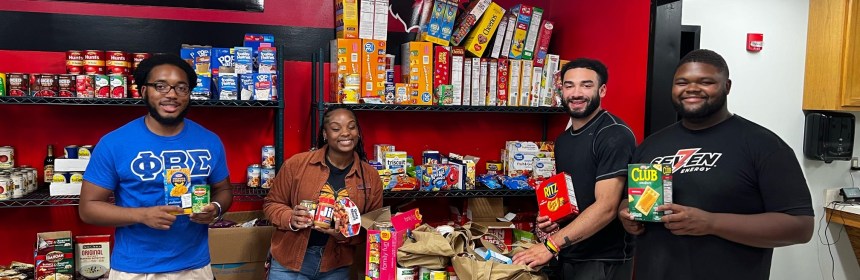
Volunteers Kennadie Hobson and Ericka Hernandez at the food pantry.

Over the summer of this year, they started developing the idea of Walmart donating to the food pantry. The pantry was in need of volunteers since most students had left for the summer. Raven Person, who works in Student Affairs, started volunteering there.

According to Person, she and Bekah Herring, the assistant director of Career Development who also manages the food pantry, started discussing the need for donations. Herring said that almost all of the pantry’s resources come from individual donations.

Both MacDonald and Person personally know Jan Paschal, the owner of Every Child Is Ours. Along with another student, a history major named Alandria Maddox, they set up a meeting with her on June 2 at the ECIO food pantry to discuss what they could do for the community.

Maddox works as an ambassador for Every Child Is Ours. She brings awareness to the cause and helps Paschal whenever she’s needed. She’s been working with them since May when she was introduced to Paschal by Person.

According to Maddox, Person came up with the idea that Walmart might donate to the food pantry on campus. Paschal had collaborated with Walmart before on other projects, and Walmart also often donates to similar causes.

“A lot of hard work was done by Dr. Hogue, Dean, Raven, and Mrs. Jan,” Maddox said.

Paschal said at the meeting that Walmart wanted to donate to ECIO, but it would be better if the donations went to ASU instead. Paschal contacted an executive at Walmart, Carolyn Hembrey, to set it up. 

Hembrey said that she has worked with Paschal many times. She approved the new project and helped to coordinate times for when the volunteers come to pick up the donations.

“I just did not realize that there was a need. I guess we just assume if they’re going to college, they must have the funds to eat, and I was just like floored at the need that there was…” Hembrey said. “I’ve really been encouraged by the participation from the volunteers and just the excitement that they’ve had about the project also.”

The donations occur once weekly. They consist of canned items and other preserved food but also fresh food, such as vegetables, fruit, meat, and dairy. These donations offer a bigger variety than what the food pantry is usually able to provide.

“It’s widened our variety,” said Archer. “It’s always nice because we’re serving so many people, it just gives us something else that we don’t have to personally buy.”

-30-


Note: Feature photo shows volunteers at the food pantry.

Local nonprofits and businesses offer free Thanksgiving meals

Many free Thanksgiving meals offered around town for community gathering

Delta Digital News Service

Friday, December 1, 2023

By Avery Jones | Editor

JONESBORO, Ark. — This Thanksgiving, some local small businesses and nonprofit organizations offered free community Thanksgiving meals open to all in Jonesboro. These events are hosted for the homeless, those without family, those without the money for a Thanksgiving meal, or simply those who want to engage with the community.

The Hope House, a nonprofit organization that provides for the homeless and low-income population, hosted a Thanksgiving dinner on Thursday, November 16, from 11 AM to 1 PM and then 2 PM to 4 PM. The event was held at their location.

“Our goal is…to be able to be a blessing to those in the community who may be struggling at this time to just have a simple Thanksgiving meal, especially for those who are less fortunate,” said Terri James, the director of Hope House. “Sometimes those of us who are blessed, we kind of get [blind], and we just don’t realize how fortunate we are. To be able to give back to the community is also a way we can say thank you for supporting the Hope House.”

However, the event wasn’t intended just for those less fortunate, but for anyone who wanted to come and partake. They hoped to feed at least 200 to 250 people. They had at least twenty-five volunteers helping out, five of which were staff members at Hope House, but more were welcome to help.

This was the first time the Hope House was able to host a community Thanksgiving. The meal was entirely arranged by them and provided for by donations from the local community.

They planned to serve chicken, ham, dressing, green beans, corn, potato salad, macaroni salad, and desserts. Carry-out was offered for anyone who was unable to stay.

The city of Jonesboro arranged a community Thanksgiving at the St. Bernards Auditorium on Thanksgiving day starting at 10:30 “for the hungry, the homeless, and the lonely,” according to the event’s Facebook page. Home delivery within the city limits was offered for anyone who couldn’t come.

The food was provided by members of the community. Donations for non-refrigerated desserts were taken from 1 to 5:30 PM on the Wednesday before. Volunteers arrived at 9:30 the next morning, and anyone was welcome to help without former notice.

The Jonesboro community Thanksgiving has been hosted almost every year since at least 2014. They usually serve around 1,800 or more meals, with around 1,200 of those being home delivery. The amount of volunteers varies between 500 to 750.

The VFW (Veterans of Foreign Wars) in Jonesboro hosted a Thanksgiving at their location on Thanksgiving day from 12 to 2 PM. They have hosted community Thanksgivings for many years.

According to Kay Baker, who works at the VFW, the purpose of the meal was to offer to everyone who doesn’t have a place to go for Thanksgiving an opportunity for friendship and fellowship. The meal was not just for veterans, but for everyone who wanted to participate.

The food was provided for by donations from the community of food and funds, as well as from fundraisers. Most of the food was donated directly, and the food was prepared by volunteers at the location that day.

“There is a big turnout. There’s a lot of veterans that have no place to go and a lot of other people that don’t have a place to go, so they come here,” Baker said.

They served turkey, dressing, gravy, mashed potatoes, green bean casserole, sweet potatoes, corn, cranberry sauce, rolls, and desserts. To-go plates were offered for anyone who was unable to stay.

Marie Turner, owner of Billie Marie’s Auction, hosted a community Thanksgiving at her store on Thanksgiving day from 3 to 5 PM. This was her first time hosting a meal, but she has given out Thanksgiving boxes before.

“I always wanted to serve hot meals to people on Thanksgiving, [but] was never able to until this year, and I am so excited,” Turner said.

According to Turner, the event was for anyone who needed a hot meal or was alone on Thanksgiving, and also for any police officers or EMTs that were on duty during Thanksgiving and in need of a meal. She arranged the event herself, using donations from family, friends, and customers.

They had at least fourteen volunteers helping with the meal, including some of her family members. Delivery in the Jonesboro area was offered for anyone who needed it; they already had fifty deliveries scheduled by November 15. They served turkey, dressing, green beans, mashed potatoes, sweet potatoes, corn, pumpkin pie, rolls, and tea.

-30-


Note: Feature photo by Ana Maltez on Unsplash.

The Sun switches to USPS delivery

Former newspaper delivery drivers saw it coming 

By Courtney Edwards | Aspiring Journalist
Delta Digital News-Service

JONESBORO, Ark. – Jonesboro’s local newspaper, “The Sun”, recently announced a change to their delivery service. Beginning Apr. 27 the paper will no longer be delivered to homes by newspaper delivery drivers, but the United States Postal Service.

Lesia Brown worked as a carrier for “The Sun” for 27 years. She said the change in the delivery system didn’t surprise her much.

“We kind of saw it coming,” Brown said. “They’ve lost of lot of subscribers. I used to have 600 papers and then I had 375.”

Brown blamed the downfall of subscribers to the Internet. She also said after the tornado tore through Jonesboro in March 2020 and the COVID-19 pandemic caused businesses to close, subscriptions declined even more.

John Erickson worked as a carrier for The Sun for over 20 years as well. He said he was surprised about the change at first.

“It caught me by surprise at first, but then it didn’t,” Erickson said. “I knew something was coming. The numbers they were printing every night were just slowly decreasing.”

Both Brown and Erickson said they thought “The Sun” would eventually close down or at least switch to a completely online version. Neither saw much of a future ahead of the century-old paper.

Subscriber Cheryl Robbins said she would not read “The Sun” anymore if it switched to digital copies only.

“I’m a paper person,” Robbins said. “With over 75,000 in a town, we can’t discontinue our town paper.”

Robbins said the switch to mail delivery would affect her the most in the summer, since she was used to reading through the paper while sitting on her deck with a cup of coffee in the mornings.

Brown used to deliver “The Sun” to many subscribers in Jonesboro, including Diana Davis, an award-winning anchor for KAIT-TV in Jonesboro. Davis published an appreciation post for Brown to Facebook on Apr. 25.

“I was so surprised,” Brown said. “It made me cry.”

Erickson also had his fair share of appreciative subscribers. He said he already missed his job as a carrier because he especially enjoyed making sure their paper was delivered on time and placed where they wanted it.

Both Brown and Erickson said they hadn’t thought of what the future holds for them yet. At 60 years old, Brown said she knows it would be hard for her to find another job. Luckily, she was already working a second job before the switch to mail delivery.

Erickson said although he hadn’t thought about what he would do next, he was looking forward to being able to sleep more after all those long nights delivering papers.

“The Jonesboro Sun” did not respond immediately to requests for comment.

The paper will continue to be delivered to homes Tuesday-Saturday, and the e-Edition will be available online every morning at 5 a.m.

In addition to this, “The Sun” also announced a new weekend edition of the paper to replace their current Sunday edition. The first weekend edition was distributed May1, and included color comics, Parade Magazine and their TV Entertainment book along with advertising circulars and specials.

Note: Feature photo by Courtney Edwards

U.S. Census could potentially bring important funds to Jonesboro

By Tristan Bennett
Delta Digital News Service

JONESBORO – The U.S. Census has occurred without fail since 1790 despite obstacles like war, natural disaster, and now, a pandemic.

The United States conducts a census every 10 years to get an accurate count of residents. In 2020, it is once again time for gather information from around the nation.

Article I, Section 2 of the United States Constitution mandates the count and legally requires residents in all 50 states and five territories to respond. The U.S. Census Bureau makes it fairly simple to fulfill the requirement.

According to the Bureau’s website, invitations to respond have already been sent to homes around the country. This year, anyone can respond by mail, phone or online by the April 1 deadline. After that, census takers may be dispatched to collect answers.

The survey asks a few simple questions about who lives in the home and how they are related as well as their races and sexes. There is no question about American citizenship.

These questions may seem simple to some, but Kade Holliday, Craighead County clerk, said they hold a great importance to the city and county.

“The U.S. Census is one of the biggest ways that federal money is dispersed out,” Holliday said. “You want the most people to be counted so that your area gets more of those tax dollars.”

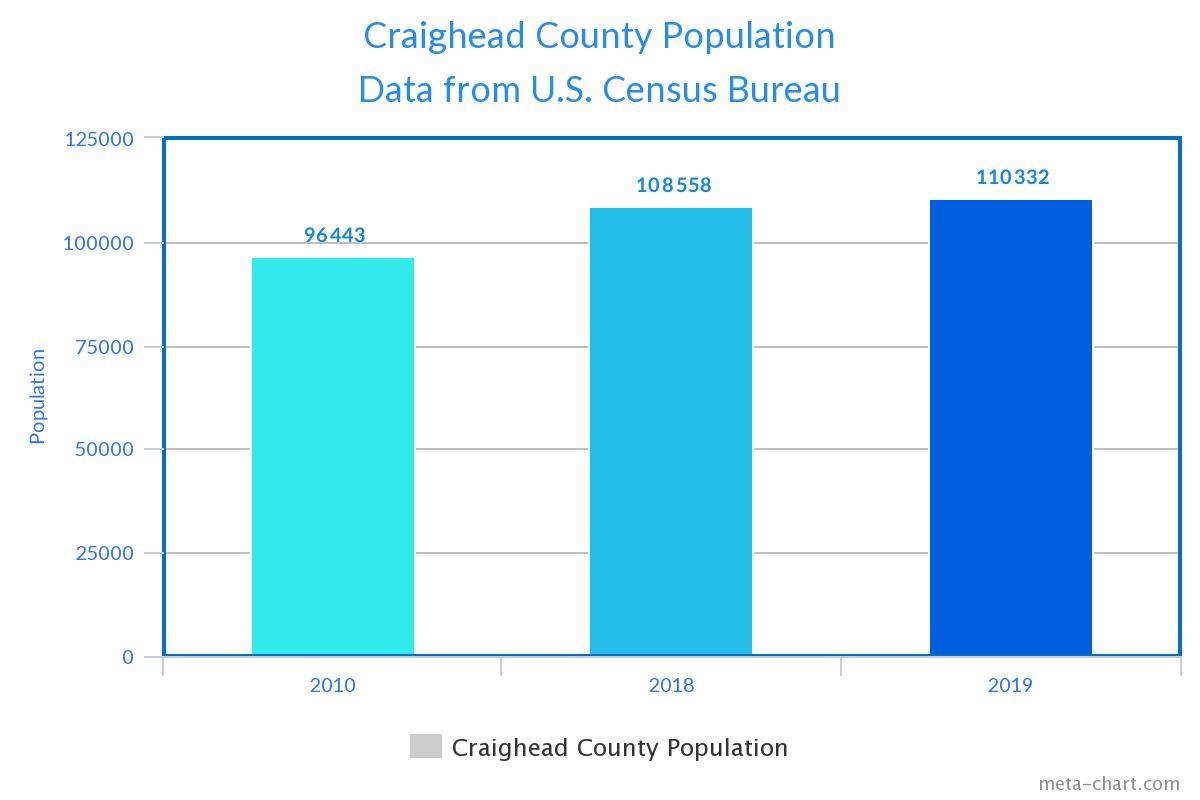
Holliday said because Jonesboro experienced a population boom since the last census in 2010, the city can expect a significant jump in federal funds, and that money will be used to build parks, bridges and roads as well as add to the police, fire and sanitation departments.

An accurate count is also important for elected officials. Shifts in population or growth can significantly change areas they represent.

“Let’s say there’s a situation where in Arkansas we picked up a fifth (congressman), or we lost one because the population went up so greatly in another part of the country. We would have to redraw the lines to create those districts to make sure they were equal in population, so one district doesn’t have more people in it than another,” Holliday said.

While some may be hesitant to give information to a government agency, Title 13 of the U.S. Code strictly prohibits the Census Bureau from sharing personal information. Responses can only be used to produce statistics, and no information can be used against the responder. The Supreme Court has even ruled that the Patriot Act does not override the law of confidentiality on the census, and addresses cannot be discovered through the Freedom of Information Act.

A-State African Students Association gives a hand to the homeless

By Christine Miyawa
Delta Digital News Service

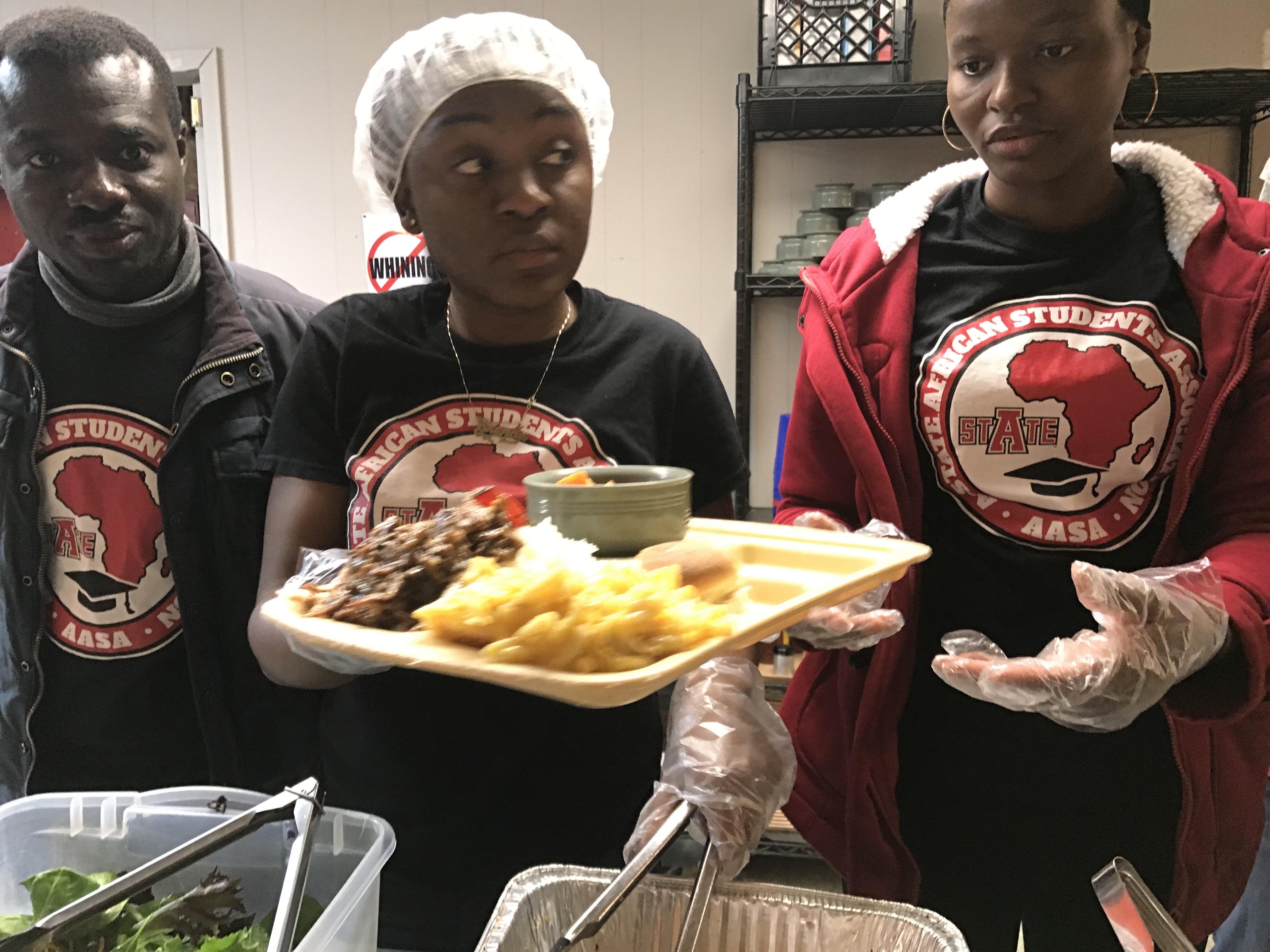
PARAGOULD – The A-State African Student Association visited the Mission Outreach of Northeast Arkansas, a homeless shelter based in Paragould, to donate consumables, which included; disinfectant wipes, detergent, tissue paper and paper towels.

In 2018, the first time when the AASA students visited the same shelter, they prepared African dishes and brought to feed the homeless people at the Shelter.
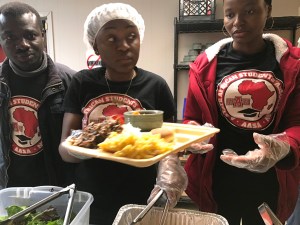
The outgoing president of AASA Samuel Noi said the purpose of the visit was part of AASA’s community outreach program.

“Coming here today is about giving back to society. It’s not only about being students but, being compassionate, fulfilling the needs of others who are less privileged. We called before coming and they told us what they needed and that’s what we brought,” Noi said.

About the Shelter. 

Cheri Peters, the executive director of MONEA, said the shelter is the largest homeless shelter in Northeast Arkansas. She said it holds 58 beds and houses men, women, children and families.

The shelter contains three family dorms. Currently, 11 children are at home.

Peters said helping homeless people get back on their feet is the purpose of the shelter.

They assist homeless people with employment, transportation and health insurance.

Management requires residents at the shelter who have jobs to save 75% of their earnings once they start working.  Teaching them how to save and budget so they can stand on their own once they leave the shelter.

Peters said the shelter offers benevolent services.

She said they have a food pantry open to the public and a soup kitchen that serves three meals every day.

People come from all over Arkansas for the shelter’s services.

Peters said Jonesboro has the Salvation Army which only has 14 beds. Because the shelter is located in the ‘boot heel’ of Missouri, they get a lot of people from the state of Missouri, too.

She said most of the people are referred; few are walk-ins.

“We have a website and get phone calls every day for placements. Many people who come to the shelter are experiencing drug addiction, meth and mental illness. We have a therapist here at the shelter and recommend that anyone who comes to the shelter receives counseling services,” Peters said.

She said those who come to the shelter seeking help could live at the shelter for up to two years.

“When someone is homeless, and all they have is clothes on their back, you can’t get them to be where they need to be in life in 90 days. They have to get a job, get a vehicle and decided to move out and those things take time,” Peters said.

She said if the residents at the shelter follow the rules and goals set, they can stay for up two years.

“We have repeated, but we don’t want to enable people,” Peters said.

The management carries out random alcohol and drug tests on residents.  Once someone has come and stayed at the shelter three times, they must pass a drug test to come back in.

The program doesn’t work for some people. They must be ready to change their lives for it to work.

Peters said 60% of their support comes from residents of Greene County in the form of donations and 40% is from grants.

“Providing paper towels for over 50 people gets very expensive. And so, we rely on donations like what the AASA students gave,” Peters said.

The majority of the volunteers lived at the shelter at some point. They want to come back to give back.

This year marks the sixth year since Peters’ started working at the shelter. She says it’s a blessing but a challenging job.

“It’s not a job you can leave at work when you go home. You take it home with you. When you see people struggling with addiction or mental illness and when you see children in need, it doesn’t leave your mind when you go home,” Peters said.

Peters comes from Mississippi. She worked for a hospice and nursing home before moving to work at the homeless shelter.

“I like working with people and helping people. It’s a rewarding job,” Peters said.

She said the mission outreach is 37 years old and she hopes that they can add more dorms to enable them to accommodate more people.

Peters said the shelter received a grant of $200,000 from the Arkansas Developmental Council to carry out renovations in the toilets, bathrooms and dormitories.

“Every day is a challenge when you work here. We are not just here for the people who live in the shelter, but we are for people on the street too. We have people walking in and say, ‘can you help me get on rehab.’ We have molested children and victims of domestic violence,” Peters said.

She said they take them to doctor’s appointments.

Peters said all the local churches in Greene County are so involved in helping the shelter. The majority come to serve and people will be coming to serve during Thanksgiving and Christmas.

“Some of our children here, this will be the best Christmas they ever have,” Peters said.

Peters said her dream is there would be so many mission outreaches out there because it works. She said if it didn’t, the shelter wouldn’t be here for 37 years. She wished there was an outreach like this in all the communities that needed it.

‘If there was an outreach like this in every community that needed it, we could solve this problem,” Peters said.

Meet Ashley Smith- A resident at the shelter.

Ashley Smith, one of the residents at the shelter, came from Kennett, Missouri. She lost custody of her children while in Missouri. Smith said the state of Missouri took the children when a neighbor called in to alert them of children left at home alone. Smith said she left the children at home without adult supervision whenever she went to work.

She said she initially moved to Missouri from Memphis to get away from people using drugs around her and to be somewhere no one knew her who would want to give her drugs.

Smith said she started experimenting with marijuana when she was 11 years old.  She said she was adopted, grew up in foster care and lost her foster mom when she was 20. She said she did not have anybody and turned to the streets to cope with the pain she was experiencing.

“I just wanted to fill an empty spot in my heart, so I started popping pills, doing cocaine and drinking and it just got awful and that’s how I ended up in Missouri,” Smith said.

She said while in Missouri, she did not have any support with the children. Smith has four children.

She said she was off drugs for a year while in Missouri before the state took her children, after which she relapsed.

“So, during summertime, I left my children at home as I go to work. I felt I would check on them. That’s how the state took them,” She said.

Smith said the father of two of her children is deceased, another’s father is not a part of her life and another’s father was convicted for sex trafficking and is serving 55 years in prison.

Smith said Peters and Jana Burnett, the resident case manager, went with her to her court date scheduled approximately three weeks at the time she arrived at the shelter. She said the two helped her get back custody of her children and they currently live with her in the dormitory at the shelter.

“I feel like the shelter has terrific people. They are not doing it just for doing it. If I didn’t come to this shelter, I would still be living in hotels mixing with the wrong people, drinking heavily and doing cocaine because it was within my reach, right in my fingertips,” Smith said. “I  was lost without my children. I become delusional. I just thought everyone was out to get me. I was crazy and paranoid. I was under depression. If you had met me then, you would say, ‘ is this girl crazy? What’s wrong with her?’ My mind was not right,” Smith said.

Smith said the shelter helped her find a good job. She said she thought of going to settle for a job at a fast-food restaurant like McDonald’s, but she works at the American Railcar Industries making $14 an hour. She said she is saving her money and plans to get a house for her and her children when she gets out of the program.

She said she stayed in a shelter before and did not get much help but, the shelter at Mission Outreach is in touch with what the residents are doing and try to lead them in the right way.

When she is not at her regular job working, she volunteers at the soup kitchen in the shelter.

Burnett said she does the intake of new arrivals. She assesses the need, set goals for them. If they need identification cards, birth certificates, or if they are disabled. She meets with the residents regularly and follows upon them to ensure they are doing what they need to be doing.

She said the shelter does not take people in a wheelchair because the accommodation has two flights of stairs and no ramp. She said they do not accept sex offenders either or violent felons because of the presence of the children and the safety of the children is their priority.

She said the soup kitchen is open three times a week and anybody can come in and eat. She said the shelter is part of Feed America and gets their food supply from Walmart and Kum and Go.

Cassie Grant’s Story

Cassie Grant, 32, of Marked Tree, Arkansas, also received help from the shelter. Following her release from a hospital admission in Jonesboro after a short illness, she went to the Salvation Army to find shelter. Because the shelter did not take her in, a man brought her to Mission Outreach. Grant was on the streets for a while before she went seeking help. She was doing drugs. Grant was 25 when she started using drugs.

She moved to New York, where she met a friend who influenced her into drinking and using drugs. For her, it was peer pressure. She got sick a lot and got tired. She said she used to “pin handle,” which is standing at a gas station and request to pump a customer’s gas for change. She would then spend the money on drugs.

“I just felt like the black sheep of the family. I didn’t care about life; I didn’t know which way to turn, so I turned to drink and using drugs. I felt like the family disowned me. I felt like nothing; I felt like I was all alone with no one to turn. I felt loved in the drinking and dragging, yet after I drunk, everything went wrong,” she said.

Grant said she grew up in the church.

“I’m a Christian. I want better things in life. So even deep after drinking, I got tired of doing it, it got old,” she said.

Grant said she looks at other families and other people not on drugs, dressed up and looking good and she said she wants. She said because they are dressed-up does not mean they have no problems, but when drinking and drugging everything goes wrong, nothing good comes of it.

She said some family members understood her and did not judge her while others laughed at her and disowned her. She said even when she tried to get help, it did not matter.

“The people who helped me prayed for me, spoke positive words, they gave me money and support,” Grant said.

She said she loves the Lord. And the Lord brought her through the darkest moments.

Grant said there are plenty of times she just wanted to give up in life. She said some people showed up and gave her hope. They told her, regardless of what she is doing in the streets, they were there for her if she wanted someone with whom to talk.

Grants say when she gets out of the program, she plans to get herself an apartment, come back to the shelter to volunteer. She wants to join a missionary church, go to Africa and other countries and volunteer, help feed the hungry and build churches. She said she wants to help people.

She said she doesn’t hold any grudges towards her family members. Now she knows she doesn’t have to prove a point to anybody; her heavenly father is her best friend.

Grant said she is in a place where she gets the needed help and has faith; she is going to do better. She said she would love her family from a distance.

Grant goes to True Life Church in Paragould. She was 7 years old when she got baptized at St. Johns Baptist Church in Marked Tree, Arkansas.

She said she is taking a day at a time. She plans to leave the shelter in a month.

She would like to advise people out there dealing with drug addiction not to give up.

“If you’re running from your problems, know there is someone out there who loves you and when you feel like you are alone, there is your heavenly father by your side. Stand on your own two feet as a woman and a man and take one day at a time. Keep faith, hope and believe and know that anything is possible if you keep your mind to it,” she said.

Joseph Cox’s story

It’s four years since Joseph Cox become homeless. He said he battles paranoia and schizophrenia’.

He thought people were out to get him.

He said he is tired of living in the street and would like to start a different life.

At the age of 3, Cox joined the foster care system and when he was 6 years old, he got adopted.  When he turned 17 years old, he wanted to visit his biological mother, but the court terminated his mother’s rights to see him. His adoptive parents took him to Searcy, where his mother worked at a restaurant. He stayed with his mother for three months until he turned 18 years old.

Cox said he found out that his family has relations with outlaws and gangsters and he did not want to be part of it and because of schizophrenia so, he left home and started hitchhiking to Texarkana, Texas, where he lived in the street.

His mother came for him in Texarkana and brought him and his adopted brother to their adopted dads’ home in Jonesboro.

He said at his adopted dad’s home, his other adopted brother and adopted dad did not like them, so he and his adopted brother moved to live in a friend’s house but his friend offered them an insulated doghouse to live in instead. At that point, they met a man who brought them to the Mission outreach.

He said he hopes the shelter will help him obtain documents like social security numbers to enable him to find work. He said someone pickpocketed him and stole his social security card.

He said the shelter promised to enroll him in medical insurance to enable him access treatment for Schizophrenia and Paranoia.

Cox said he found Jesus hitchhiking through the desert. He was so tired and almost passing out when he saw Jesus and said, “bring water my way,” two Hispanics appeared from nowhere with two bottles of water. He remembers when hitchhiking to Texarkana, he was tired and almost giving up when he picked a rubber band on the side of the road written “press on” and after just three miles someone came along and offered him a ride to Texarkana

Cox said no matter what someone is going through; God is always going to be by their side.

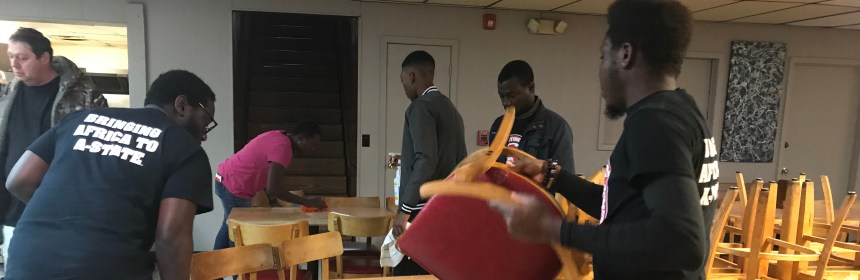
Victor Omowonuola, the incoming president of the association, joined other female members of the association in serving food. When dinner was over, the male members of the association cleaned up the cafeteria.

Peters and Burnett thank the AASA for their kind gesture.

Lawrence Yawson, the vice-president and events co-ordinator of AASA, said the shelter is welcoming and he looks forward to the association coming more often to Mission Outreach to help the homeless people.

Waste and Recycling – Recycling Systems

By Melissa A. Palumbo
Delta Digital News Service

CRAIGHEAD COUNTY – Arkansas recycles more than average thanks to extensive programs implemented to make recycling clean and easy.

Of about 254 million tons of solid waste generated in the United States every year, 34% gets recycled, according to the Environmental Protection Agency; on average, Arkansas recycles about 45% of waste produced.

In many regions, third-party companies chiefly manage recycling. For Jonesboro, the Sanitation Department handles all curbside garbage and recycling, according to Cindy Schweitzer, supervisor of Jonesboro Sanitation. 

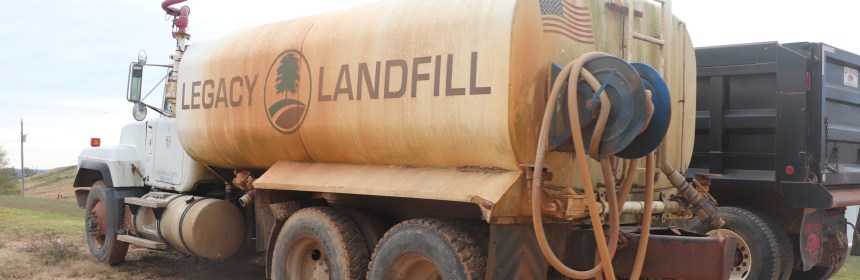
“We take garbage and recycling cans,” Schweitzer said. “Trash goes to Legacy Landfill to be buried that day, and recycling goes to Abilities Unlimited to be sorted.”

Both companies work directly with Jonesboro Sanitation — and other cities in the county — to ensure proper management of waste.

Any recycling brought to the Abilities Unlimited Recycling Center goes through a sorting process to separate different materials, which are then packaged for shipment.

Other companies can buy the raw recycled products to make new products while using less energy and producing less waste. 

Items that can be recycled include plastic bottles and containers, metals, cardboard and newspaper. Glass can not be placed in cans or dumpsters, but can be brought directly to the Abilities Unlimited Recycling Center. 

Legacy Landfill, the only landfill in Craighead County, also promotes recycling. Old or broken electronics are stripped of recyclable materials, and tires are collected for repurposing as well. 

Angela Sparks, deputy director for Legacy Landfill, said the landfill donates to Jonesboro and public schools for recycling services.

“We give about $2,000 dollars each month to local schools for recycling,” Sparks said.

Even with these efforts toward recycling, the Jonesboro Sanitation Department pays over $1 million in fees involving disposing of waste at the landfill. Schweitzer said if more people utilized recycling as a form of waste disposal, this amount “would be cut down remarkably.” 

Two years ago, the Jonesboro Sanitation Department switched from blue bag recycling to a can recycling system. The blue recycling cans get picked up on a schedule like grey garbage cans, usually every other week. 

The problem, Schweitzer said, lies with the separation of trash and recycling. While the department sees more participation from the curbside can pickup, apartment complexes face issues with residents treating the blue recycling dumpsters as garbage dumpsters. 

“It’s blue for a reason,” Schweitzer said. 

Superintendent of the Jonesboro Sanitation Department Donny Gibson said less people participated in recycling after the switch to cans. 

“It’s not up to what it used to be when we first started,” he said. When the city first started offering recycling services, about one-third of the Sanitation Department’s 30,000 customers recycled. “We’re at about 8,000 now,” Gibson said. 

Recycling not only reduces the amount of waste in the county landfill, but also cuts costs for individuals. Additional new curbside trash cans cost $75 – recycling cans cost $25.

Schweitzer said they require all trash to be inside the container for curbside pickup. “If there’s a house with a lot of loose trash,” she said, “we do suggest to them start recycling. Those bottles take up a lot of room, you don’t realize it until you don’t have them anymore.” 

Gibson encourages customers to recycle more. 

“In my household,” he said, “we bought a recycle container and my trash service has gone down by two-thirds.” 

Editor’s Note: Photos by Melissa Palumbo

Waste and Recycling – How Waste Works

By Melissa A. Palumbo
Delta Digital News Service

CRAIGHEAD COUNTY – An almost inevitable part of everyday life, garbage takes a long journey from a kitchen bin to a landfill.

Larger corporations hire independent sanitation companies to remove waste. For most people, whether it is put into a curbside trash bin or an apartment dumpster, waste gets taken away by the city sanitation department.

The sanitation department in Jonesboro services about 30,000 people, according to Cindy Schweitzer, supervisor of the Jonesboro Sanitation Department.

“We have seven to eight trucks that pick up residential and three smaller trucks for rear-door and disabled services,” Schweitzer said. They use different types of trucks for different needs. “We also have two rear-load, one front-load and one side-load truck for the apartment dumpsters,” she said.

The operators for the trucks drive different routes each day of the week, according to Jerry Murrell, operator one for Jonesboro Sanitation 

Once completing the garbage pickup routes throughout the city, the Jonesboro Sanitation Department takes all of the waste directly to Legacy Landfill. Their trucks sometimes make two-to-three trips to the landfill a day, Schweitzer said.

Arkansas is divided into 18 regional solid waste management districts, and waste generated in each district must be disposed of in that district, according to Angela Sparks, deputy director of Legacy Landfill in Craighead County. 

Districts vary in size, with some spanning as many as six counties. Craighead County, however, is a single-county district. Incorporated in 1985, most garbage in Craighead County goes to Legacy Landfill.

The landfill can’t take everything, though. Different types of permits allow for waste disposal; Legacy Landfill attained a class one permit, Sparks said. A class one landfill is the only class that is allowed to take residential trash, but it can also be used for disposal by businesses. 

The landfill in Craighead County won’t take any waste that is flammable, corrosive, ignitable or radioactive. Fire being a hazard for landfills, they can not accept any grass clippings, leaves or small tree limbs — those are brought to an incinerator at the Sanitation Department.

The landfill also won’t take large amounts of liquids to reduce leaching. 

Leaching results from waste disposal and, if it isn’t done properly, can cause damage to the environment. Toxicants and harmful liquids, like bleach or other chemicals, can seep into the ground and poison vital groundwater, as well as harm ecosystems.

Legacy Landfill’s system redirects any leaching into tanks outside of the landfill, which is then transported to a water treatment facility.

“We use PVC pipes at the bottom with gravel over the top to catch liquids that seep through,” Sparks said. 

Under the pipes, two feet of compacted clay and a thick layer of plastic further ensure protection.  

According to Sparks, the landfill is large enough to last “another 100 years,” but she said there’s a good chance we won’t need it for that long. 

“That’s assuming waste is disposed of the same way from now on as it is right now,” Sparks said. “Waste is not disposed of the same way now as it was 50 years ago, so there’s no reason to think that 50 years from now it’ll be the same. It’s going to change.”

With more green-conscious thinking and the emergence of the zero-waste lifestyle, people are trying to reduce the amount of waste that goes into landfills. 

An environmental concern about landfills is the production of methane, a greenhouse gas that can contribute to global warming. It comes from the decomposition of organic materials, like food scraps, when there is a lack of oxygen. 

Not only is methane a danger to the atmosphere, but it can be ignitible and explosive. Because the gas is colorless and odorless, this can be very dangerous and hard to detect. 

Legacy Landfill has implemented a gas collection system – a series of tubes that removes all the methane – to be flared off in what Sparks called “the eternal flame.” This reduces the risk of fire as well as cuts down on the landfill’s impact on the environment tremendously. 

Sparks said the landfill is working with the energy company Integrity to find a way to use the excess methane as a source of renewable energy. 

“Integrity did a survey on the area, and they think we’ll be able to use the gas as an energy project,”  Sparks said. “We’re hoping to get that up in the next couple of years.”

As one of about 2,000 operating landfills in America, Legacy Landfill is working toward reducing the harm waste does to the environment. 

Editor’s Note: Photos by Melissa Palumbo

Veterans Village Plans for the Future

By Chloe Short
Delta Digital News Service

JONESBORO — The Veterans Village coming to Jonesboro features major plans.

More than 5,000 veterans live in Craighead County and around 200 of those veterans are reported as living below poverty level. The Veterans Village plans to help homeless veterans get back on their feet.

The Beck Pride Center will be active in the Veterans Village by making sure the right services and paperwork are provided to the homeless veterans. Interested students with majors in social work, counseling, physical therapy and other degrees from Arkansas State University will work with The Beck Pride Center through volunteering or internships to assist in the Veterans Village. Individuals from the Veterans Village will be able to receive those services after they have left.

Beck Pride Center director Lynda Nash (photo by Chloe Short)

“Veterans have been a productive member of society in the past. Something’s happened, so at that point we want to put them back in that role again. They’ve given to society, they continue to give and they should be honored for that,” said Lynda Nash, director of Beck Pride Center.

Other organizations waiting to get involved are the Disabled American Veterans Group, Veterans of Modern Warfare and the PTSD Foundation. The village will find residents through word of mouth but also through law enforcement expressing concern, veteran’s service groups, contacts through other veterans, and by contacting those who show up at the HUB downtown.

Nash said she’s pleased the Veterans Village is set for Jonesboro, since she will now have local options for them and their families if needed. Sending veterans needing housing assistance to Memphis, Tennessee or Poplar Bluff, Missouri are currently the only options available.

“Once accepted, they’re willing to work a program, so it can lead to a more permanent setting for them,” Nash said.

The village’s development on Aggie Road will be built down from Pepsi Beverage warehouse. The Cooper-Mixon Architect Firm originated all of the design aspects and created housing to meet the needs of each individual. Hillary Starnes, Jonesboro’s community services manager, said the homes should be completed by late 2020.

John Mixon, architect at the Cooper-Mixon Architect Firm, said nine homes will be built: two homes are made for families and the other seven are designed for single occupants. Each house features a different exterior. The village includes a community building and a community pavilion.

47694366402_f5dabc4290_k

Sign on site of the future home of the Veterans Village. (photo by Chloe Short)

“The Veterans’ Village is a fully accessible community with different scales of experiences and a continuum of public to private life,” Mixon said.

Arkansas Development Finance Authority granted $1 million to cover funding needs for the Veterans Village. The Arkansas Development Finance Authority released a Notice of Funds Available and received three applications. Cheryl Schluterman, president of the Arkansas Development Finance Authority, said each application must meet application completeness, fulfill requirements and be financially feasible. Of the three applicants, Jonesboro met the criteria.

“There is still funding available for other projects. So far, Jonesboro is the only recipient of National Housing Trust Funds in Arkansas,” Schluterman said.

Bill Campbell, director of communication for Jonesboro and spokesperson for the mayor, said the mayor is going forth with the challenge to end veterans’ homelessness.

The city will be providing transportation at the village. There will be a bus stop, bicycles and a bike rack. The JET system will be an option. The village accommodates veteran’s dogs as well.

Nonprofits play pivotal role in helping homeless

By Brooke Buckner
Delta Digital News Service

JONESBORO — Nonprofits provide resources for the increasing homeless community.

The Salvation Army is the only homeless shelter in Jonesboro, but there are many other resources for the homeless.

United Way of Northeast Arkansas and The Hub help the homeless community, but don’t house them.

33855969068_5ecd1bb8ef_k

Nanette Heard and Shaila Creekmore at United Way of NEA. (photo by Brooke Buckner)

United Way helps the working people and serves eight counties. They provide a backpack program for kids in need of food with the Food Bank of Northeast Arkansas and fund a program called Homeless to Self-Sufficient with Mission Outreach of Northeast Arkansas.

Nanette Heard, executive director of United Way, said, “A lot of what we do is raise funds for programs. Unfortunately, there aren’t a lot of shelters in our area.”

UWNA helps people get back to work by providing work clothing, boots, childcare and transportation. Most of their programs are geared toward kids.

Gwendolyn Zugarek, executive director of The Hub, said the 2-year-old resource center provides a 90-day program for the homeless. The first step to helping people is tracking down their birth certificate or getting them an ID so that they can move forward from there.

HUB“The main thing that we do is we sit down with our guests and we talk to them about what is going on in their life,” Zugarek said.

The Hub offers a bike program allowing guests who don’t have transportation to ride a bike to their job. The guest’s responsibility is to buy the bike lock.

Currently, the Hub is a community-funded organization. They usually see an estimated 40 new homeless individuals every month and they helped 532 individuals in their first year of being open. Their mail center helps the less fortunate receive benefits.

Shelters Outside of Jonesboro

Shelters in Blytheville and Paragould provide help year-round for the homeless.

Blytheville’s Mississippi Union County Mission helps women, children and men. Most of the children who come in are 17 to 18 years of age. The majority of residents are single.

There’s no time restraint for living at the Mission, but the average time is three to four months.

Mission Outreach of Northeast Arkansas in Paragould takes all ages and people can live there for up to two years. Director Cheri Peters said she sees more single people coming into the shelter. In 2018, Mission Outreach of NEA provided shelter for 452 people.

The Mission houses 55 and Mission Outreach houses 58 people. Both of these shelters house increasing numbers during the winter and summer.

In addition to housing and feeding residents, Mission Outreach helps residents with birth certificates, employment and insurance.

Lisa Willard, executive director of The Mission, said they offer a work program consisting of yard work or odd jobs. The charge for the community is $10 per hour and the workers get paid $8.50 per hour.

Similarly, Mission Outreach offers jobs and provides transportation for their working residents like United Way does.

Both of these shelters feed the less fortunate by serving food boxes. The Mission serves 100 food boxes per week.

Mission Outreach’s food pantry feeds low-to-moderate income families. These families can come once a month to get food boxes. They also have a soup kitchen that prepares three meals per day.

“For the food box, you have to be a Greene County resident,” Peters said.

Willard and Peters said they enjoy working at these shelters because they watch lives transform.

The community can help each of these organizations by volunteering or donating toiletry items, canned goods, blankets and furniture.

NEARK Confronts the Homeless Issue

Charles Haven seeks assistance on Red Wolf Boulevard. (Photo by Jessica Ladd)

Students from the Multimedia Reporting course investigated homelessness in the Delta.

  • Jessica Ladd details the lives of a homeless couple coming through Jonesboro.
  • Chloe Short examines plans for a Veterans Village in Jonesboro.
  • Brooke Buckner details services and shelters for Northeast Arkansas’ homeless population.
  • Yu Bai examines food banks providing sustenance to the homeless.
  • Colby Sigears notes how governments in the Delta approach the homeless issue.


« Older Entries