Category Archives: Energy

Solar Panels Energize Brookland
By Miranda Reynolds
Delta Digital News Service

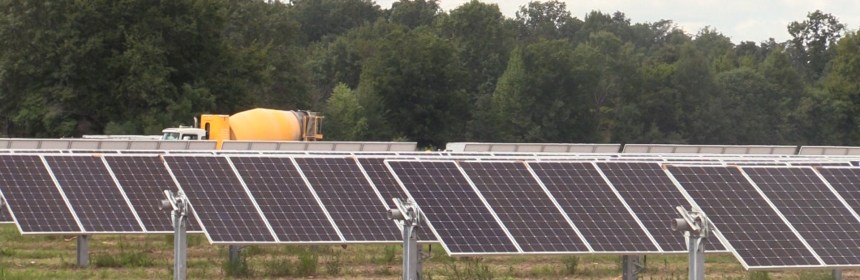
BROOKLAND, Ark. – With the progression of modern technology and increasing use of electricity, Craighead Electric Cooperative spread its initiatives in solar panels to help power part of Craighead County.

The ongoing project located off Highway 230 involves a total of 3,888 panels. From these panels, the power will supply 135 homes with electricity. The area chosen by Craighead Electric Cooperative did not happen by chance. Craighead Electric Cooperative predominately supplies Brookland’s electricity and met the criteria for the placement. Jon Carmack, communications coordinator with Craighead Electric Cooperative, gives the company’s outlook on the project.

“The goal is to provide a cheaper source of electricity for our members and to kind of get into this idea of community solar,” Carmack said.

In the near future, the company plans on leasing or renting solar panels out to specific homes in the area. This will allow for that panel’s electricity generated to go directly to the home owner’s electricity bill. A unique aspect of rented or leased solar panels resides in the maintenance and upkeep of the equipment. Craighead Electric will be solely responsible for the panels, meaning residents can rest assured with the rental.

For those interested in at-home panels, the company also has net metering to be installed on the side a house. This meter measures electricity used and the solar electricity a household is using in excess. Some homes in Craighead County run entirely from solar panels, Carmack said.

Steven Evans owns VanGuard Mechanical in Jonesboro, a company that installs solar panels for at-home use. An issue for solar panels revolves around supply and demand. Evans sees potential in the solar panels, but there must be demand from the public for it to become what he works on regularly.

“If enough people get behind and push this, yes, I see it’s coming and I know we have to make the change,” Evans said.

Tommy Sims, a 40-year resident of Brookland, said he appreciates Craighead Electric Cooperative’s efforts to reduce the town’s electricity use.

“I think it could be good for it if it works. They’ve got to do something to keep up with all of the technology nowadays. This world is so high-tech, they have to move forward,” Sims said.

Delta Not Directly Affected by Dakota Access Pipeline

By Madison Gomez
Delta Digital News Service

JONESBORO — The Dakota Access Pipeline has grabbed headlines for months with concerns on environmental and cultural impact.

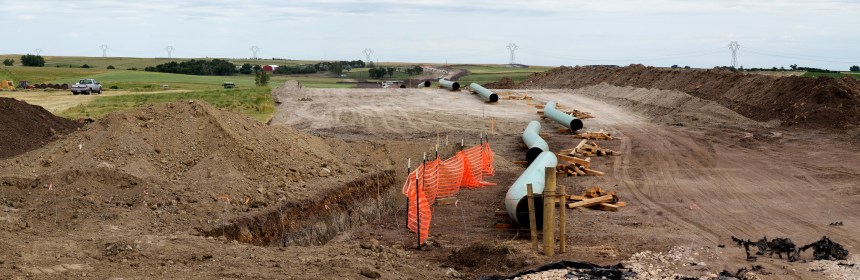
Energy Transfer Partners received an easement that will push along the completion of the Dakota Access Pipeline. The 1,172-mile long, underground pipeline starts in North Dakota and runs through three other states. The pipeline will be the only fully functioning pipeline among eight other underground pipelines that run under Lake Oahe in South Dakota.

The Dakota Access Pipeline will transport crude oil to different refining markets. President Trump issued a memo to push forward the pipeline’s progress, which is subject to terms negotiated by the United States. While the pipeline will help create jobs and bring money into investments, potential problems could arise. The pipeline has brought a lot of controversy with protests from the Standing Rock Sioux Tribe over the desecration of burial sites and potential water contamination.

Another problem arises from potential contamination due to a spill or leak. That experience occurred in Mayflower, Arkansas in 2013, when an oil spill pushed people out of homes and got into waterways. Such an effect to the Delta seems unlikely.

“I do not foresee any direct problems from a Dakota Access pipeline unless it gets into the Mississippi River,” said Richard Grippo, professor of environmental biology at Arkansas State University. “This may cause transportation problems that could possibly affect the Delta Region.”

Joseph Richmond, an instructor of disaster preparedness at A-State, agreed.

“I don’t really see this being an issue that could affect this part of Arkansas,” Richmond said.

The underground pipeline does seem to have some effect on this issue, according to Jerry Farris, a distinguished professor of environmental biology.

“Pipelines below ground would certainly impact the ways in which product would be mobilized or contained in the event of a spill,” Farris said. “That is also largely impacted by proximity to vulnerable resources, geology and climate conditions at the time of and following the spill.”

Though the Delta region might not see any effects, other issues are at play with the pipeline.

“It seems that the environmental and cultural impacts of the pipeline have not been fully evaluated and taken into consideration when planning the routing of the pipeline,” Grippo said. “They definitely need to reroute around Native American lands.”

Protesters from both the Standing Rock Sioux Tribe and other concerned people evacuated the area Feb. 23.

(NOTE: Featured image courtesy of Lars Plougmann, [CC BY 2.5], via Creative Commons)