JONESBORO — The seventh annual Living Legends Awards will be held at Arkansas State University to honor five new recipients as well as honor two individuals posthumously.
The ceremony honors those who have enriched the community, excelled at their fields, and inspired younger generations.
This year, honorees include the following:
Dr. Jenifer Rice-Mason retired from A-State in 2020 after serving more than 40 years where she led the department of Access and Accommodation Services.
Dr. Wilbert Gaines, an emeritus professor of physical education, was one of the first Black professors on campus. During his tenure he taught countless numbers of students and helped guide them to success through his work in the classroom and with campus organizations.
Shamal C. Carter, has spent his career working in the non-profit sector, volunteering in the community, and serving on various boards to benefit Jonesboro residents.
Dr. Nikesha Nesbitt is dean of the University College at A-State. She is part of several committees on campus and in the community.
Jervonne Newsome is an A-State graduate who remains the highest-ranked moot court competitor in university history. She works as a partner at a law firm in Dallas.
Legacy Awards will be presented to the families of two late members of the community:
Rennell Woods was an A-State graduate and a longtime member of the Jonesboro community. He was a licensed minister and received numerous accolades due to his giving nature.
Tierre Hamilton, a 2005 A-State graduate, was part of Kappa Alpha Psi where he provided metorship and support for others. He was known for volunteering and being an active member of the community.
“Selections are made by a committee and are based not on the quantity of nominations but the quality of the submitted nominations. We deliberate on both the A-State influence and the impact the nominee has made on the community,” said Ian Buchanan, Living Legends committee chairman.
“This event shines light on those who may not get it elsewhere. It also shows students that the impact they make can be legendary in the future. We believe this honor and distinction help recognize the work and footprints that are sometimes not noticed or given their proper due,” Buchanan added.
This event is held in conjunction with events at A-State for Black History Month. The Multicultural Center oversees the month of activities with the assistance of campus employees and student organizations.
JONESBORO – Several events will occur on the Arkansas State University campus throughout February to mark Black History Month. The theme for the programs this year is “African Americans and Labor: Celebrating our Achievements.”
“My desire is to provide students with an opportunity to be empowered by the legacy of those who have come before them, connect with one another to build community, a chance to engage with the Northeast Arkansas community, alumni, and one another to build networks and enhance their sense of belonging to A-State,” said Dr. Carlitta Moore, vice chancellor for access and institutional engagement.
The month filled with programs kicks off at 6 p.m. on Monday, Feb. 3, in Centennial Hall inside the Reng Student Union for a Night of the Arts.
Performers across campus and the community will showcase their talents, including the A-State National Pan-Hellenic Council (NPHC), Jonesboro High Steppers, Brittany Duke, Evolve: The Student Organization.
“These programs are thoughtfully designed to educate, inspire and foster a sense of unity. By attending, you’ll not only gain knowledge but also build meaningful relationships and contribute to the ongoing dialogue about valuing all,” said Trinity Haynes, education program coordinator of multicultural affairs.
From 6-8 p.m. on Friday, Feb. 7, the community is invited to the 18th annual Soul Food Dinner and Program. The dinner will occur at the Baptist Collegiate Ministries building, 115 North Caraway Road, hosted by the Strong-Turner Alumni Chapter of the A-State Alumni Association. Following the meal, attendees can expect performances by singers and speakers.
Feb. 9 – 13 the Black Student Association will celebrate BSA Week with several events taking place each day of the week.
At 11 a.m. on Feb. 9, Sunday service from Word Baptist Church will occur inside the Reng Student Union Auditorium.
Get your dancing shoes ready, the public is invited to a line dancing class at 6 p.m. on Monday, Feb. 10, inside Centennial Hall.
As part of BSA Week, the Black Business Expo will return to Centennial Hall, beginning at 6 p.m. on Tuesday, Feb. 11.
At 6 p.m. on Feb. 13, the Black Student Association will wrap up BSA Week with a talent show inside Centennial Hall.
The events continue at 6 p.m. on Tuesday, Feb. 18, with the Tour of Black Voices. Guest artist Anitra Jay will take attendees on a journey of Black history with captivating songs, videos and performances. This program will be presented by the Student Activities Board and will take place inside the student union auditorium.
The Jonesboro Alumnae Chapter of Delta Sigma Theta Sorority, Inc., welcomes the Northeast Arkansas community to “Democracy at Work: Your Role, Your Rights, Your Responsibility.”
The conversation explores the importance of civic engagement and the role each individual plays in democracy. Participants can learn about their rights and responsibilities as community members at 6 p.m. on Thursday, Feb. 20, in the student union auditorium.
The month of celebrations begins to wrap up at 5 p.m. on Saturday, Feb. 22, with the seventh annual Living Legends Awards inside Centennial Hall. Established in 2019, the ceremony honors A-State alumni and Northeast Arkansas community members who excel in their fields, enrich the community, and inspire future generations. This is a cocktail attire event.
“The Living Legends Ceremony holds a particularly special place in my heart. It’s an incredible opportunity to honor and celebrate those who have selflessly given back to A-State and the broader community,” said Moore. “This ceremony allows us to express our gratitude and appreciation by giving them their flowers while they are still with us, a gesture which is both meaningful and profound.”
The festivities conclude at 3 p.m. on Tuesday, Feb. 25, as the A-State Museum transports attendees back in time for the Jonesboro Black Business District exhibit. The exhibit offers a glimpse into the legacy and contributions of Black-owned businesses in the local community.
“My hope is that attendees walk away with a deeper understanding of the contributions and resilience of Black individuals throughout history and in contemporary society. I want them to feel empowered to celebrate access for all, engage in meaningful conversations about systemic change, and reflect on their own role in creating welcoming communities. Ultimately, I hope they leave feeling inspired and motivated to be lifelong learners,” said Haynes, chair of the Black History Month committee.
The theme of 2023’s Black History Month celebration.
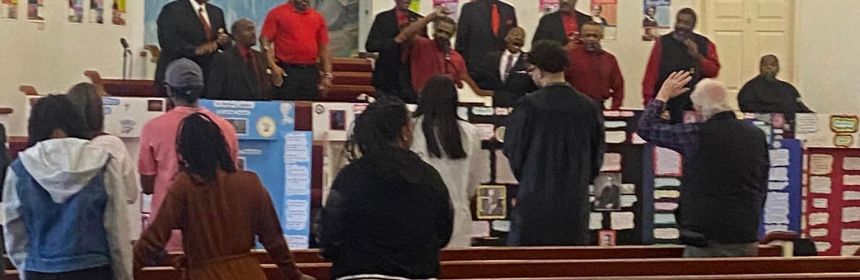
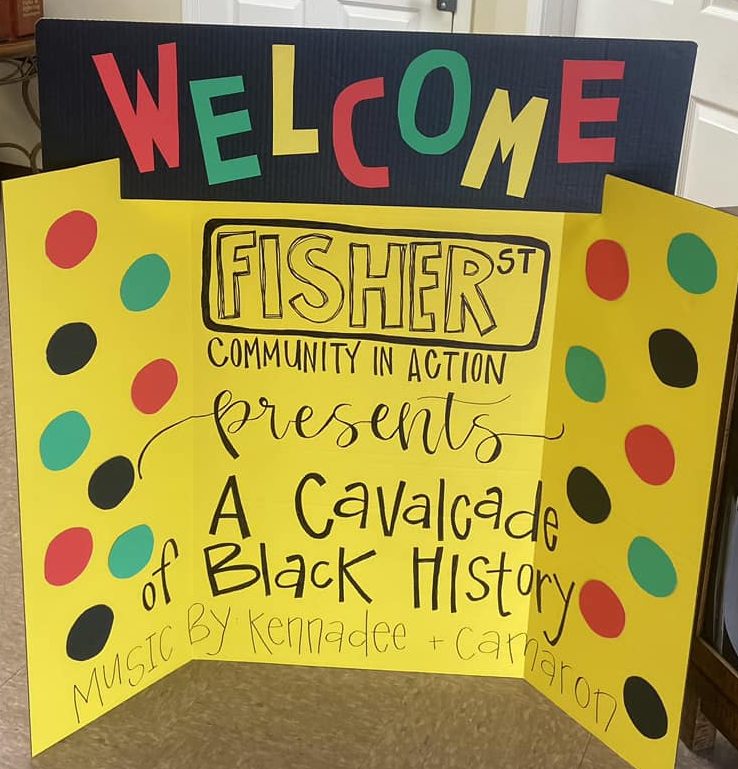
JONESBORO, Ark. – Jonesboro nonprofit Fisher Street Community in Action will host the 2nd annual “African American and The Arts” event in recognition of Black History Month from 3 p.m. to 5 p.m. on Saturday, February 24. Last year, they had about 50 attendees and hope to have more this year.
According to event organizer Ruby McKinley, event participants will portray various African-American actors, both alive and deceased as attendees guess which famous person is being portrayed. Refreshments will be provided.
“The purpose of the activity is to get the community involved in Black history and to inform them of Black history then and now as to how things have evolved from slavery to now,” McKinley said.
“The purpose of the activity is to get the community involved in Black history and to inform them of Black history then and now as to how things have evolved from slavery to now,”
Ruby McKinley, event organizer
The event will also feature Dr. Lonnie Williams as its guest speaker. Williams, who is the vice-chancellor of diversity, inclusion, and community engagement at Arkansas State University in Jonesboro, will discuss the history and impact of African-Americans in the arts.
Alongside Williams, other guests will be in attendance including Jonesboro Mayor Harold Copenhaver, who plans to give a proclamation during the festivity.
FSCIA was started by Rev. Dr. Charles Coleman, who operates as its CEO. The organization’s goal was to get the students from the Success Achievement Academy involved in gardening, an alternative learning program, in the organization’s community garden.
“The first year we did that, we had a group of students that was so excited about the garden…they chose the type of vegetables that they wanted to plant and they had their own space,” McKinley said.
“The first year we did that, we had a group of students that was so excited about the garden…they chose the type of vegetables that they wanted to plant and they had their own space,”
Ruby McKinley, event organizer
FSCIA is funded by donations and has been providing help in the community for 13 years. The organization participates in the Toys for Tots program, conducts its own toy giveaway, provide community clean-up services twice a year and hosts the “National Night Out” every year, where they inform and spread awareness about community programs and services, provide free food, games, and more.
Avery Jonesis a junior in The Department of English and Philosophy at Arkansas State University in Jonesboro, Arkansas. She can be reached at avery.jones@smail.astate.edu
NOTE: Feature photo is of 2023’s Black History Month celebration from the FSCIA.
JONESBORO, Ark – February is Black History Month. A celebration of black history was first established by African-American historian Carter G. Woodson, who started a black history week in February 1920 to celebrate African-American achievements, culture, and history.
February became the official Black History Month in 1986, when Congress passed the law designating it. However, African-American culture is celebrated in many ways throughout the year, and the Miss Black and Gold Pageant is one such way.
The Miss Black and Gold Scholarship Pageant is an event meant to celebrate the achievements and beauty of college-age black women. It is sponsored by the national Alpha Phi Alpha fraternity, the first intercollegiate fraternity established by African-American men.
The competition tests the young women’s beauty, poise, confidence, communication skills, and intelligence. The winners receive varying amounts in scholarship prizes, up to $1,000.
The Miss Black and Gold orientation guide dictates that each participant must pass an interview, a swimwear presentation, a creative talent presentation, and a public speaking presentation, as well as provide evidence of academic and professional achievements and goals.
According to the Alpha Phi Alpha Nu Beta chapter website, the first Miss Black and Gold Pageant was hosted in New York City in 1976 by the National Alpha Phi Alpha Convention. The pageant then became a national program in 1982.
It has been 41 years since then, and the tradition still lives on. Several Arkansan universities and colleges have Alpha Phi Alpha chapters that host the Miss Black and Gold Pageant once a year.
The Nu Alpha chapter at Arkansas Technological University in Russellville, Ar., was unfortunately unable to have a physical pageant, but they still selected a winner from their applications.
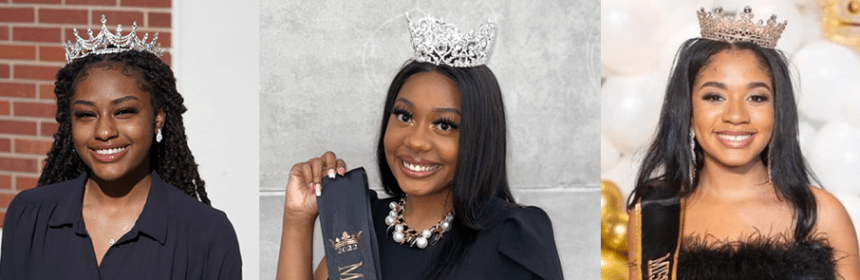
Zion Brassfield is the 2022-2023 Miss Black and Gold at ATU. She’s an 18-year-old sophomore majoring in nursing with a minor in leadership.
Zion Brassfield is the 2022-2023 Miss Black and Gold at ATU. She’s an 18-year-old sophomore majoring in nursing with a minor in leadership. She’s originally from Dumas, Ar. For her, winning means being given the opportunity to grow and learn.
Kiya Luster is the 2022-2023 Miss Black and Gold at SAU. She’s a 20-year-old sophomore majoring in business management.
The Kappa Iota chapter at Southern Arkansas University in Magnolia, Ar., hosted their pageant on Nov. 12, 2022.
Kiya Luster is the 2022-2023 Miss Black and Gold at SAU. She’s a 20-year-old sophomore majoring in business management. She’s originally from Stuttgart, Ar.
According to Luster, this was her first pageant. It meant the “absolute world” to her because it showed her that others see her beauty even when she doesn’t. She said, “On that stage I introduced myself to a new side of me that I always used to shy away from. Winning this pageant has taught me to embrace every part of myself, to never stop working towards what you want, and a few tears, silent prayers, and a smile can get you a long way.”
“On that stage I introduced myself to a new side of me that I always used to shy away from. Winning this pageant has taught me to embrace every part of myself, to never stop working towards what you want, and a few tears, silent prayers, and a smile can get you a long way.”
— Kiya Luster, Miss Black and Gold Southern Arkansas University
The Theta Upsilon chapter at Arkansas State University in Jonesboro, Ar., hosted their pageant on Dec. 3, 2022.
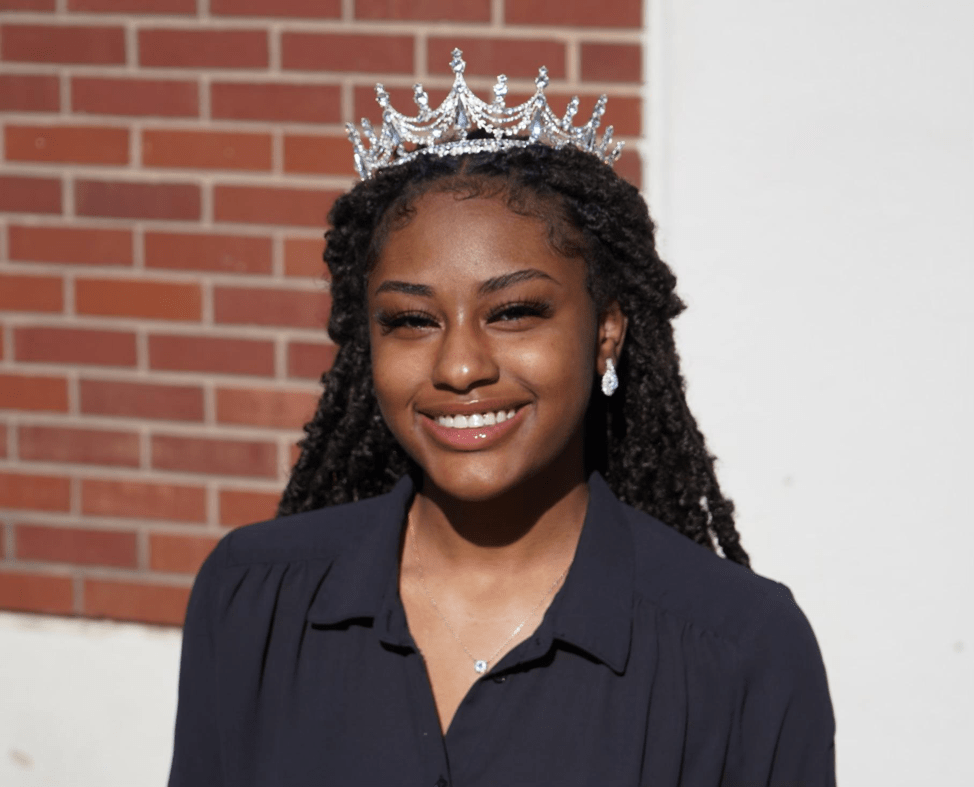
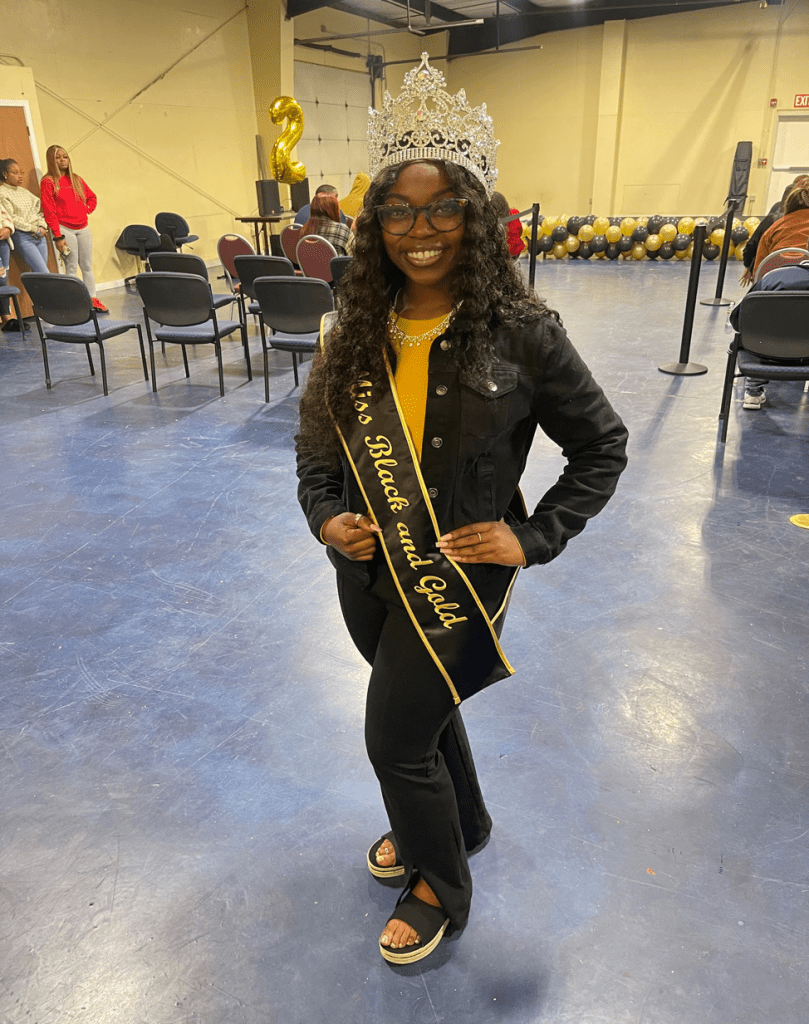
Deanna Jones is the 2022-2023 Miss Black and Gold at ASU Jonesboro.
Deanna Jones is the 2022-2023 Miss Black and Gold at ASU Jonesboro. She’s a 20-year-old sophomore majoring in communication disorders. Her hometown is Jonesboro. According to her, winning was a way to break out of her shell. She’s passionate about community projects and inspiring young girls to follow their dreams. She recently started a program called Empower in which she mentors young girls.
The Theta Kappa chapter at Henderson State University in Arkadelphia, Ar., hosted their pageant on Nov. 17, 2022.
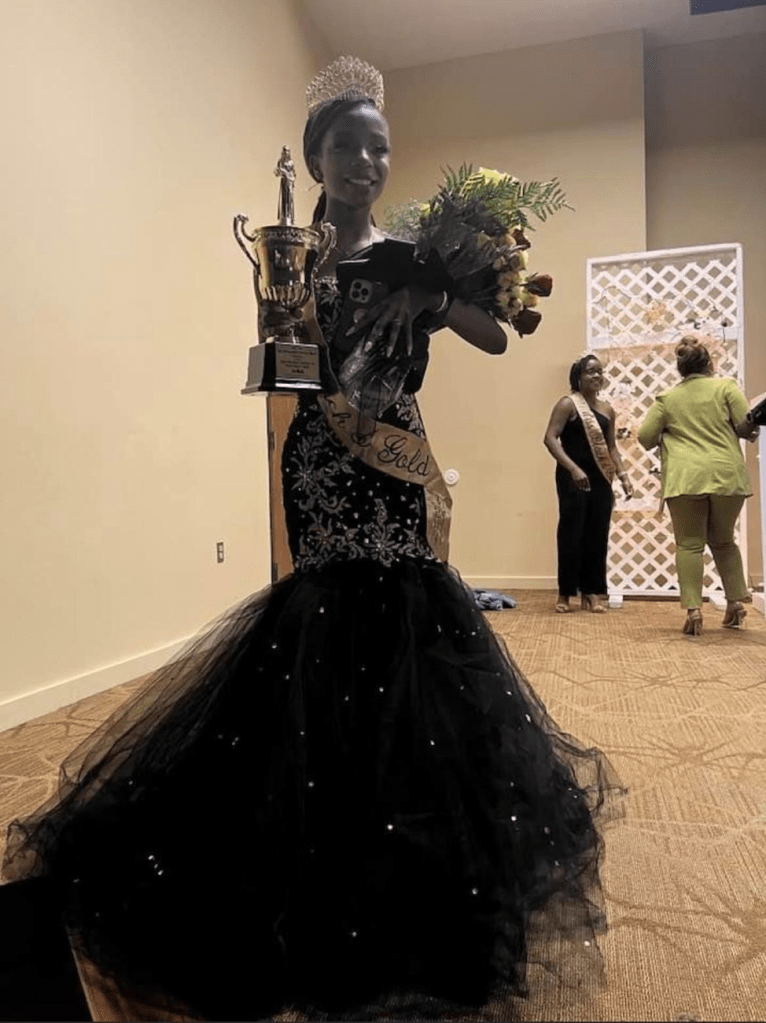
McKenzie Sanders is the 2022-2023 Miss Black and Gold at HSU.
McKenzie Sanders is the 2022-2023 Miss Black and Gold at HSU. She’s a 19-year-old freshman majoring in biology. Her hometown is Little Rock, Ar. She said that she had always wanted to participate in pageants as a child, but was bullied into believing that she wasn’t pretty enough.
“Winning my first pageant…was a very emotional moment for me and my family…but to be crowned after all of those negative denotations and misfortune that felt like baggage just ceased to exist anymore,” Sanders said.
“Winning my first pageant…was a very emotional moment for me and my family…but to be crowned after all of those negative denotations and misfortune that felt like baggage just ceased to exist anymore.”
— McKenzie Sanders, Miss Black and Gold Henderson State University
The Kappa Kappa chapter at University of Arkansas Fayetteville held their pageant on Dec. 3, 2022.
India Young is the 2022-2023 Miss Black and Gold at UA Fayetteville.
India Young is the 2022-2023 Miss Black and Gold at UA Fayetteville. She’s a 20-year-old sophomore majoring in political science and journalism with a minor in African-American Studies. She’s originally from Warren, Ar. She said it’s an honor to represent the Arkansas District.
“Since winning I feel even more connected on campus and look forward to hosting events that bring us all even closer,” Young said. “Winning the pageant has also brought me a new level of self-confidence and poise.”
“Since winning I feel even more connected on campus and look forward to hosting events that bring us all even closer,” Young said. “Winning the pageant has also brought me a new level of self-confidence and poise.”
— India Young, Miss Black and Gold University of Arkansas at Fayetteville
The Beta Chi chapter at Philander Smith College in Little Rock, Ar., hosted their pageant on Jan. 22, 2023.
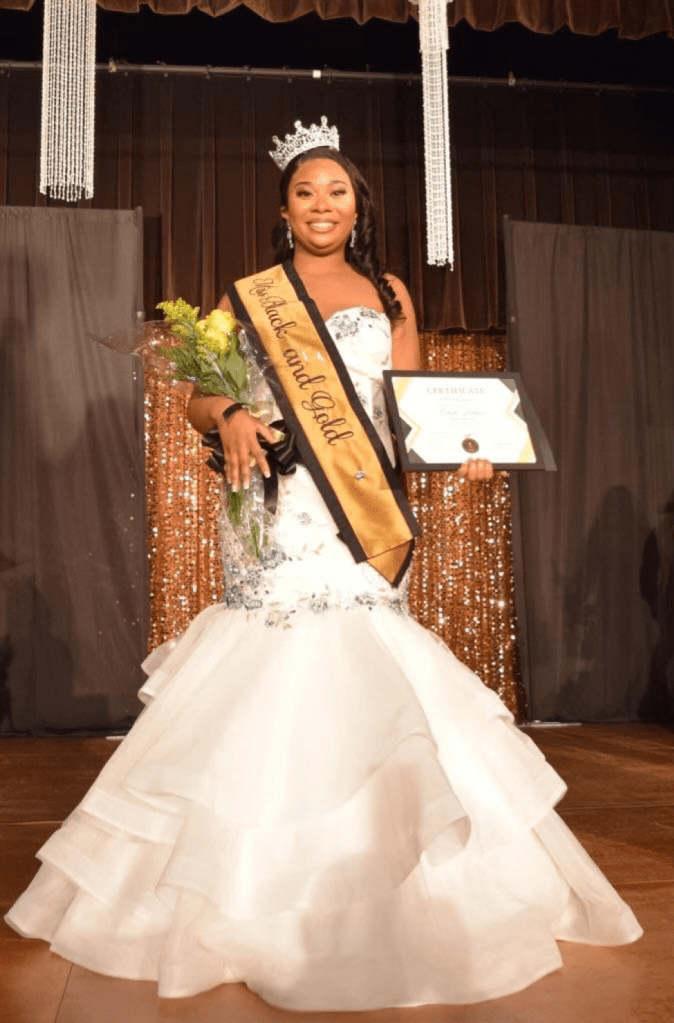
Ciara Jenkins is the 2022-2023 Miss Black and Gold at Philander Smith College. She’s a 20-year-old graduating senior majoring in biology and psychology. She’s originally from North Little Rock, Ar.
“To me, winning the pageant means I have the opportunity to display leadership on my campus and promote important values on our campus and reinforce the family culture on Philander Smith’s campus,” Jenkins said.
“To me, winning the pageant means I have the opportunity to display leadership on my campus and promote important values on our campus and reinforce the family culture on Philander Smith’s campus,”
— Ciara Jenkins, Miss Black and Gold Philander Smith College
The Pi Psi chapter at University of Arkansas Monticello hosted their pageant on Nov. 30, 2022, but the winner was unable to be reached for comment.
The Theta Psi chapter at University of Central Arkansas in Conway, Ar., hosted their pageant on Dec. 3, 2022. The winner was Jaidyn Simington, a junior radiography major, but she was unable to be reached for comment.
Avery Jones is a sophomore in The Department of English and Philosophy at Arkansas State University in Jonesboro, Arkansas. She can be reached at avery.jones@smail.astate.edu
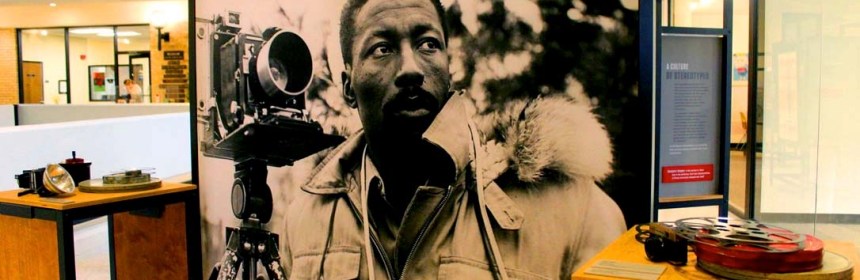
JONESBORO — The Arkansas State University Museum is hosting a black history exhibit, “For All the World to See” until March 15. The museum held a meeting for the local NAACP chapter to accompany the exhibit.
The National Endowment for the Humanities’ traveling exhibit “For All the World to See” is an in-depth display of the media depiction of African Americans throughout the civil rights movement, though it doesn’t start in the 1950s. According to Craighead County NAACP President Emma Agnew, the civil rights movement is a living history, dating back decades before it truly came to light.
“During a lot of the earlier periods, there was no media to cover the stories. Martin Luther King Jr. and others knew how to use the media. Before that, a lot of people only knew about black people based on what they saw on television,” Agnew said. “During the civil rights movement, they saw intelligent, motivated black people fighting for a cause. The media can be your friend or your enemy.”
The exhibit showcased both positive — relatively, for the time — and negative representations of African Americans in mass media, from historic television performances to the horrific tragedy of Emmitt Till, a 14-year-old black child that was brutally murdered in Mississippi on Aug. 28, 1955.
“I Am a Man” sign from a Memphis sanitation protest in 1968 on display. The protest caught the attention of Martin Luther King Jr., ultimately leading to his assassination. Photo by Chase Gage.
Though the newspapers did not want to publish the grotesque photos of Till’s body, his mother Mamie Bradley wanted her son’s story shown, not just told. Bradley responded by sending the photos of her son’s open casket funeral to “Jet” Magazine, an African American publication, and soon, the nation took notice.
Sandra Combs, associate professor at Arkansas State, spoke at the NAACP event — whose audience was nearly split evenly between black and white listeners — and recalled the putrid incident. She spoke of the courage it took to have an open casket for a child that was desecrated and castrated; a child whose eyes were gouged out and penis cut off and shoved in his mouth.
“We saw that and grieved with (Bradley). When we saw that, we got a little hopeful, a little courageous. If that little woman can go through that, we can make it,” Combs said.
The exhibit does not solely focus on tragedy, though, as it also offers triumphant breakthroughs for the black community during the Civil Rights era. It boasts black athletes such as Jackie Robinson and Muhammad Ali who completely shifted the landscape of their respective sports while also documenting the early days of black entertainers like the Jackson 5 and Richard Pryor.
“A lot of people only knew about black people based on what they saw on television.” – Emma Agnew
However, many people already know the stories on the extreme ends of the spectrum. The lowest trenches and highest peaks of the civil rights movement have been well-documented. What often falls between the cracks are the “smaller” struggles that still persist today.
One such instance is displayed between Till’s story and those of sports heroes. African Americans have historically been portrayed through negative stereotypes that have been either missed or dismissed by non-black viewers.
Even as times progressed, these negative images bled through into mainstream culture. Whether it be the image of a child eating a watermelon for an advertisement— as opposed to an overly racist caricature — or Aunt Jemima feeding white families her famous pancakes, these often subtle jabs at the image of African Americans did serious damage to black history and has yet to be completely eradicated in the United States.
Exhibits like “For All the World to See” exist to bring these issues to light for audiences that may have been uninformed. The fact is, black history and the fight for civil rights has more of a history than can be learned in a lifetime.
Top: A Shell Gasoline advertisement. Bottom: a postcard depicting southern African Americans. Photo of display by Chase Gage.
Virtually everyone knows the stories of King, Rosa Parks, Malcolm X, and others, but the vast majority of stories fall through the cracks. Cherisse Jones-Branch, professor of history at A-State, spent her time at the meeting shining a light on these little-known stories.
“There are all kinds of stories that we don’t see. We miss the texture and the complexity of the stories we know,” Jones-Branch said. “Think beyond what the civil rights movement is. Black people have been fighting for their rights, this is nothing new.”
Jones-Branch opened her speech with a joke that African Americans didn’t “suddenly wake up in 1950” to realize things weren’t right for their communities, demonstrating the fight for civil rights dates back throughout black history in the United States.
The story of the Montgomery Bus Boycott is rather famous in terms of black history teachings, but transportation boycotts actually outdate busses. In 1903, the state of Arkansas issued Act 104, mandating segregation of streetcars. Just a year later, there was a streetcar boycott in the state. It would be half a century before Parks was arrested for not giving up her seat.
Viola Desmond, a Canadian civil rights warrior, was arrested for sitting in the “white” section of a movie theater in 1946. In the same year, Laverne Cook, a black girl, was enrolled in a white school in Huntsville, Arkansas. Claudette Colvin was arrested in Montgomery, Alabama for refusing to give up her bus seat nine months prior to Parks. Colvin was only 15 years old at the time.
In reality, so much of black history during the civil rights movement was built on precedent. The famous stories are often not the first of their kind, but the first to break into the mainstream.
Black history is a living, breathing document of the lives of African Americans throughout history. Only through education can these issues be brought to life. Without knowing our history, we are doomed to repeat it. Perhaps King said it best in a letter to Harold Courlander in 1961.
“The world seldom believes the horror stories of history until they are documented via the mass media.”