Tag Archives: Kade Holliday

U.S. Census could potentially bring important funds to Jonesboro
By Tristan Bennett
Delta Digital News Service

JONESBORO – The U.S. Census has occurred without fail since 1790 despite obstacles like war, natural disaster, and now, a pandemic.
The United States conducts a census every 10 years to get an accurate count of residents. In 2020, it is once again time for gather information from around the nation.

Article I, Section 2 of the United States Constitution mandates the count and legally requires residents in all 50 states and five territories to respond. The U.S. Census Bureau makes it fairly simple to fulfill the requirement.

According to the Bureau’s website, invitations to respond have already been sent to homes around the country. This year, anyone can respond by mail, phone or online by the April 1 deadline. After that, census takers may be dispatched to collect answers.
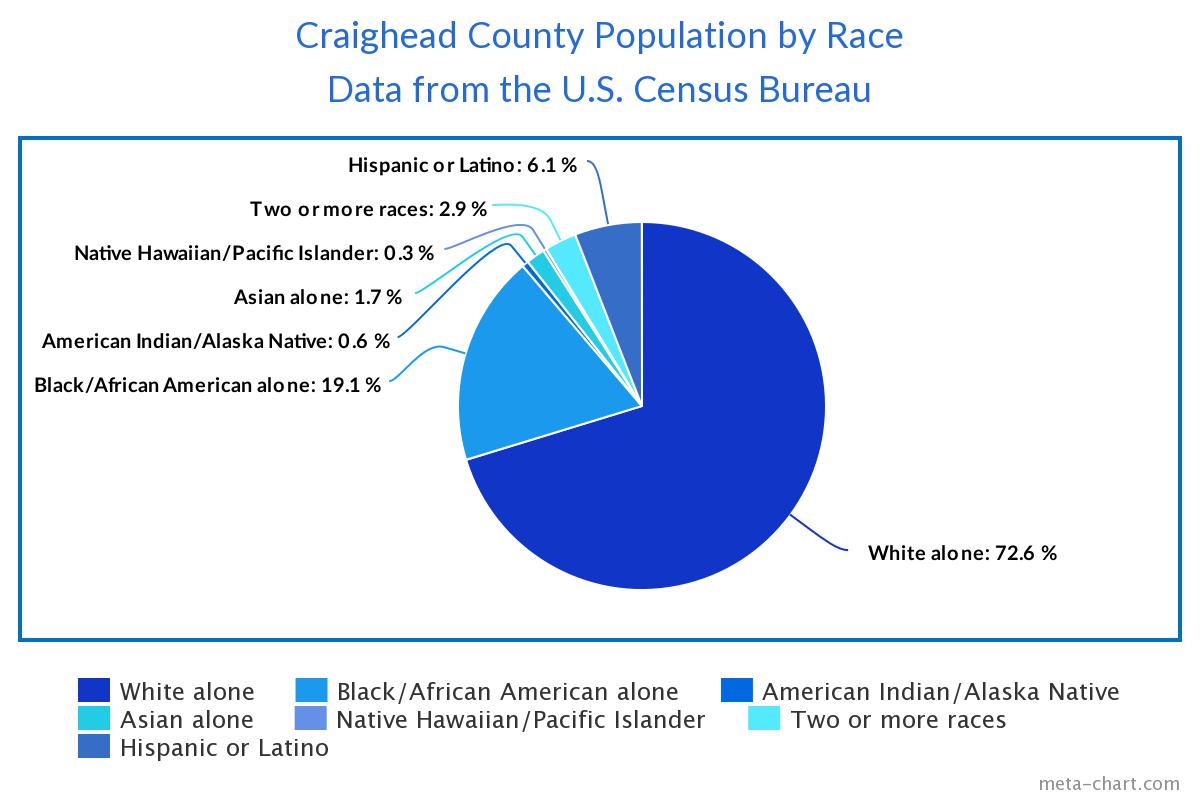
The survey asks a few simple questions about who lives in the home and how they are related as well as their races and sexes. There is no question about American citizenship.

These questions may seem simple to some, but Kade Holliday, Craighead County clerk, said they hold a great importance to the city and county.

“The U.S. Census is one of the biggest ways that federal money is dispersed out,” Holliday said. “You want the most people to be counted so that your area gets more of those tax dollars.”

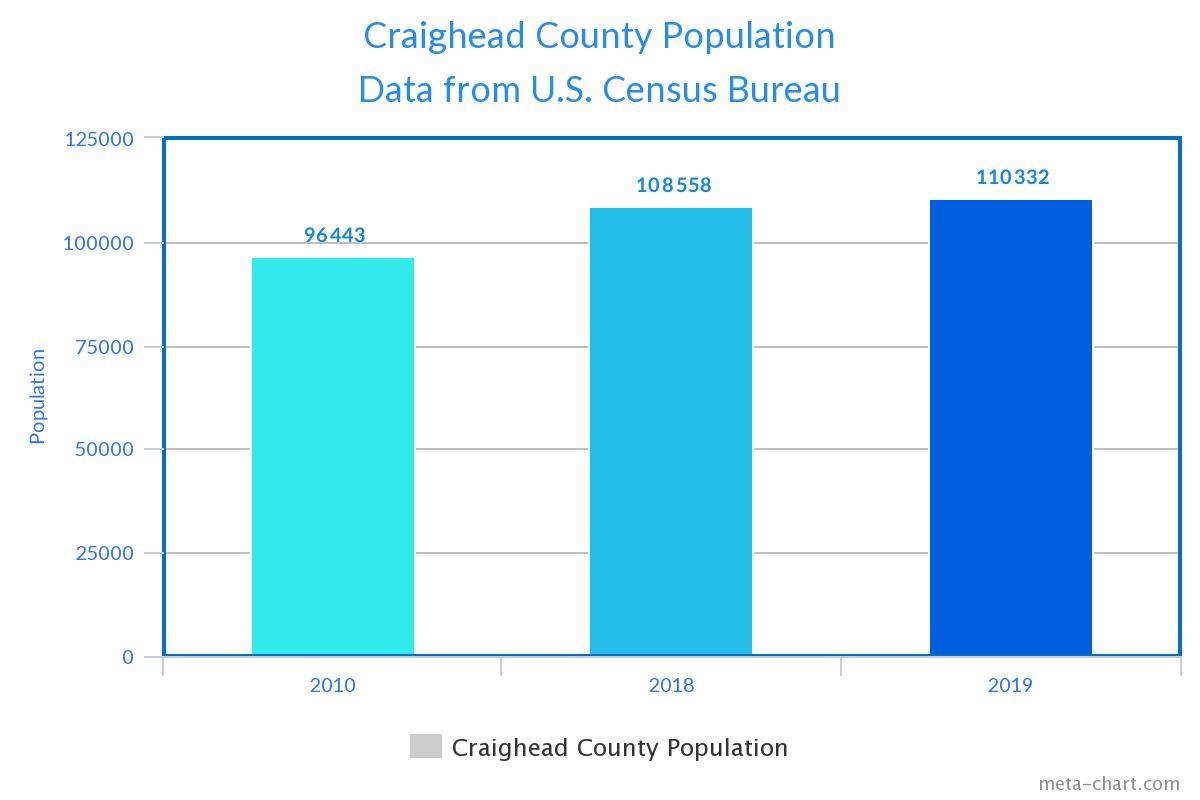
Holliday said because Jonesboro experienced a population boom since the last census in 2010, the city can expect a significant jump in federal funds, and that money will be used to build parks, bridges and roads as well as add to the police, fire and sanitation departments.

An accurate count is also important for elected officials. Shifts in population or growth can significantly change areas they represent.

“Let’s say there’s a situation where in Arkansas we picked up a fifth (congressman), or we lost one because the population went up so greatly in another part of the country. We would have to redraw the lines to create those districts to make sure they were equal in population, so one district doesn’t have more people in it than another,” Holliday said.

While some may be hesitant to give information to a government agency, Title 13 of the U.S. Code strictly prohibits the Census Bureau from sharing personal information. Responses can only be used to produce statistics, and no information can be used against the responder. The Supreme Court has even ruled that the Patriot Act does not override the law of confidentiality on the census, and addresses cannot be discovered through the Freedom of Information Act.

UPDATE: Turnout for Cannabis Issues Doubtful

by Kirsten May
Courtesy of A-State Department of Media

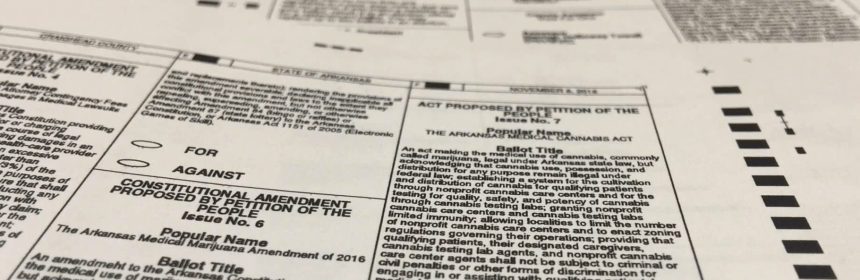
JONESBORO — Arkansas voters will see five issues on their ballot this year, including two different proposals about medical marijuana. ASU TV’s Kirsten May reports on differences in the proposals and how they might affect the state election.

Issue 6 is the Medical Marijuana Amendment. Issue 7 is the Medical Cannabis Act. They would both make marijuana legal for medicinal purposes, but political science professor William McClean said there are important differences between the two.

“Issue 6 I think probably has the better chance of passing than Issue 7. (Issue 6 is) a little more restrictive,” he said.

The Medical Marijuana Amendment allows about 20 medical conditions to be treated with cannabis, whereas Issue 7 covers nearly 60 conditions. It would also be easier to add more diagnoses to that list on Issue 7.

“You can amend an act without going back to the voters, so without amending the Constitution again,” McClean said.

There is also a provision in Issue 7 to let anyone living further than 20 miles from a dispensary to grow their own marijuana.

“People become kind of wary about the ‘Not In My Back Yard’ syndrome, I don’t want my next-door neighbor growing marijuana around my children,” he said.

This is not the first time medical marijuana has been on the ballot. Arkansans nearly passed a similar proposal four years ago.

“That was a surprising outcome as a political scientist given the conservative nature of the state, that it came as close to passing as it did,” McClean said.

Craighead County Clerk Kade Holliday thinks more people know about the cannabis proposals on the ballot this time around.

“There’s a lot of debate about, you know, the two different ones, all the differences between them. They’re definitely the most talked about,” he said.

But Holliday and McClean both agree the people most likely to vote for the proposals — young people and college students — aren’t as likely to go cast a ballot.

“We had right at 6,270 people registered in that (18-24) demographic. Now of that demographic, only about 38 percent of that demographic turn out to vote,” Holliday said.

“I think it has a low chance of passing,” McClean said. “Most of the polls show about 80 percent of Arkansans are in favor of some form of medical marijuana. However, it’s probably going to be a low turnout election. Young voters are not very excited about either presidential candidate.”

Both men say what’s important is letting your voice be heard, whichever way you vote for these issues.

McClean said if both pass, the Constitution states the issue with the most votes will take effect. (UPDATE: The Arkansas Supreme Court disqualified Issue 7 from the ballot on Oct. 27, three days after early voting started.)