Monthly Archives: March 2023

Headphones Affect Their Users

By Shelby Russom
Delta Digital News Service

JONESBORO, Ark. — Since their creation, headphones continue to grow in popularity. But these personal listening devices have their pros and cons.

   Invented in the early 1800s, headphones allow users to listen to their choice of audio privately. This allows those who love to listen to music in their cars and on personal radios to finally bike, walk and so much more while never having to put away their tunes. Timothy Hsu, of Phys.Org, headphones work through the turning of electrical audio signals into cycles of high and low pressures that the ear interprets as sound. This constant, close-contact vibration can be damaging if music is listened to for a long amount of time at a high volume.

   A headphone user and Arkansas State University junior from Jonesboro studying graphic design, Kennedy Crawford said she is aware of the potential dangers of headphones but values them too much to not use them.

   “I use them for a lot,” she said. “Like cleaning, working out, doing homework, so I pretty much always have them on me.”

   According to the Centers for Disease Control and Prevention, exposure to loud sounds may damage  structures and nerve fibers in the inner ear, resulting in noise-induced hearing loss. Causes of noise-induced hearing loss range from a single exposure to a very loud sound, to constant listening to loud sounds over an extended period.

   Crawford said she uses her headphones every day with her music at max volume but does not yet notice a change in her hearing.

   “If I have any change, I haven’t noticed it, but I wouldn’t be able to notice unless I got tested,” Crawford said.

   Dr. Lindsay White, doctor of audiology and assistant professor of communication disorders at Arkansas State University, said she pays attention to if her headphone’s audio level is safe for her ears.

   “You need your program to be loud enough that you can understand and get the full effect of your program or music you’re listening to but I think being an audiologist, I’m more aware of the harmful effects,” she said.

   White said the cause of noise-induced hearing loss results from damage to the extremely sensitive sensory-receptor cells found in the ear. These cells easily become damaged from loud sounds over time. The volume and duration of noise in a user’s headphones, can worsen the effects of noise-induced hearing loss.

   “I kind of think about it like sun exposure,” White said. “It’s accumulative over time. A little bit of listening today, plus a little bit of listening tomorrow over a duration of time can result in permanent damage to the ears.”

Chase Overholser, an Arkansas State University junior graphic design major from Wynne, uses headphones while completing a class assignment. Loud headphone use may damage the ears. (Photo by Shelby Russom)

   The louder a sound is, the shorter the amount of time a person can safely listen. White said Listening to sounds at 85 decibels for more than eight hours a day can damage the ear. The average pair of headphones can reach levels up to 110 decibels. According to the Harvard Health Blog, exposure to a volume of 105 to 110 decibels damages the ear in five minutes. White said that the louder the people listen to music, the shorter the amount of time they can safely listen.

   Dr. Matthew Taylor, a doctor of audiology at Taylor Hearing Centers in Mountain Home, said he recommends programming headphones to ensure they cannot go above certain audio levels. To alert their users they are listening to music at unsafe levels, phone companies implemented a warning system tasked with sending a notification to the users’ phone if audio levels are too high. White said listeners should not ignore those warnings.

   “You can actually get apps,” White said. “Like parents, for example, can put an app on their child’s phone that will limit the amount of volume that they have access to.”

LISTEN: Emotional Support Animals Improve Owners’ Lives

By Shelby Russom
Delta Digital News Service

Joshua VanDon sits with his ESA, Keena. (photo courtesy of Joshua VanDon)

JONESBORO, Ark. — People with diagnosed mental illnesses often benefit from emotional-support animals. These registered animals provide emotional support and love, alleviate stress and loneliness, and even ease the effects of mental illnesses to support their owners.

   Kellie Davison of Jonesboro, therapist, and co-founder of Courage Counseling said ESAs are wonderful and help people with mental illnesses like anxiety and post-traumatic stress disorder. She said she always recommends her clients who do not have an ESA look into getting one.

   As someone with PTSD and anxiety, Joshua VanDon of Paragould said people notice a change in him since getting his ESA, Keena, a four-year-old Belgian Malinois.

   “My wife’s seen first-hand like the difference in myself once I got Keena and you know, having her here,” he said.  

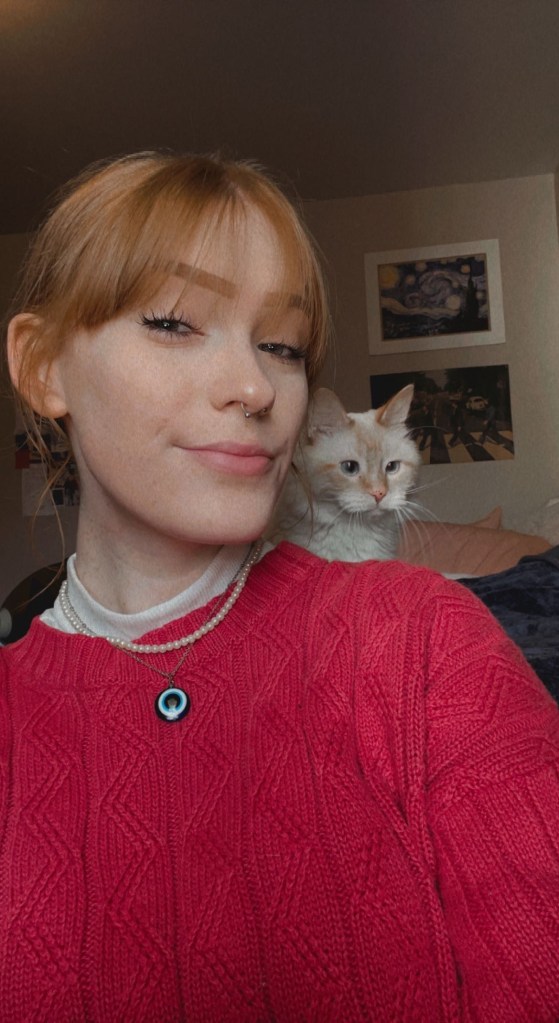
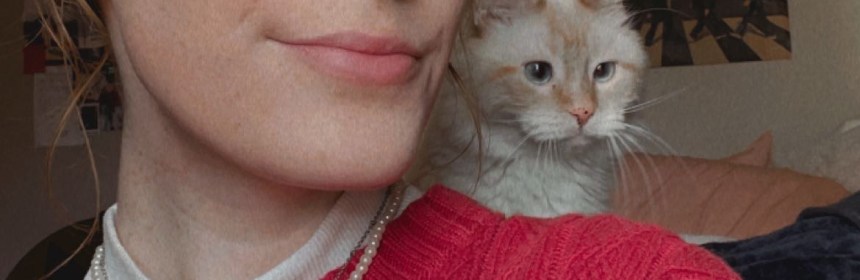
   Maya Saala, an Arkansas State University first-year student from Pocahontas studying elementary education, said she initially did not realize just how helpful having her ESA registered cat, Obi, would be. She said she knew being around him made it easier to deal with her anxiety, but did not realize the extent of the emotional help he provided. Saala said she recommends ESAs to anyone who struggles with mental illness.

Maya Saala and her ESA, Obi. (Photo courtesy of Maya Saala)

   “It’s just one of those things where it’s like, even if you don’t think you could benefit from one, you probably could,” she said.

   Legally recognized as support systems, ESAs can travel with their owners, attend events, go into stores and much more. Davison said this was helpful for her mother, Sarah Simmons, who suffered from anxiety and bipolar disorder.

   “She was able to travel with them and so it helped her get to do a lot of things she would have never been able to do,” Davison said.

   To register an animal as an ESA, an emotional support animal owner needs a letter from their mental health provider stating the owner requires the assistance of the animal. Traveling and entering certain places, as well as living on a college campus with an animal, requires an ESA letter.

   Davison said people should not abuse the ability to have an ESA. She, as well as other therapists, will not give the necessary documents to register an animal as an ESA to just anyone. She said she wants to ensure everyone who has an ESA is someone who truly needs it and will take care of the animal.

   “When I think of an emotional support animal, I think of it as if you’re going to maintain your own mental health, you also need to maintain your dog’s health as well or your cat or whatever animal you’re utilizing as your emotional support animal,” Davison said.

Black History Month:

Miss Black and Gold Winners react to their win

Colleges and universities across the state embrace black history with Miss Black and Gold pageants

March 8, 2023

By Avery Jones | Editor

Delta Digital News Service

JONESBORO, Ark – February is Black History Month. A celebration of black history was first established by African-American historian Carter G. Woodson, who started a black history week in February 1920 to celebrate African-American achievements, culture, and history. 

February became the official Black History Month in 1986, when Congress passed the law designating it. However, African-American culture is celebrated in many ways throughout the year, and the Miss Black and Gold Pageant is one such way.

The Miss Black and Gold Scholarship Pageant is an event meant to celebrate the achievements and beauty of college-age black women. It is sponsored by the national Alpha Phi Alpha fraternity, the first intercollegiate fraternity established by African-American men. 

The competition tests the young women’s beauty, poise, confidence, communication skills, and intelligence. The winners receive varying amounts in scholarship prizes, up to $1,000.

The Miss Black and Gold orientation guide dictates that each participant must pass an interview, a swimwear presentation, a creative talent presentation, and a public speaking presentation, as well as provide evidence of academic and professional achievements and goals.

According to the Alpha Phi Alpha Nu Beta chapter website, the first Miss Black and Gold Pageant was hosted in New York City in 1976 by the National Alpha Phi Alpha Convention. The pageant then became a national program in 1982. 

It has been 41 years since then, and the tradition still lives on. Several Arkansan universities and colleges have Alpha Phi Alpha chapters that host the Miss Black and Gold Pageant once a year. 

The Nu Alpha chapter at Arkansas Technological University in Russellville, Ar., was unfortunately unable to have a physical pageant, but they still selected a winner from their applications.

Zion Brassfield is the 2022-2023 Miss Black and Gold at ATU. She’s an 18-year-old sophomore majoring in nursing with a minor in leadership.

Zion Brassfield is the 2022-2023 Miss Black and Gold at ATU. She’s an 18-year-old sophomore majoring in nursing with a minor in leadership. She’s originally from Dumas, Ar. For her, winning means being given the opportunity to grow and learn.


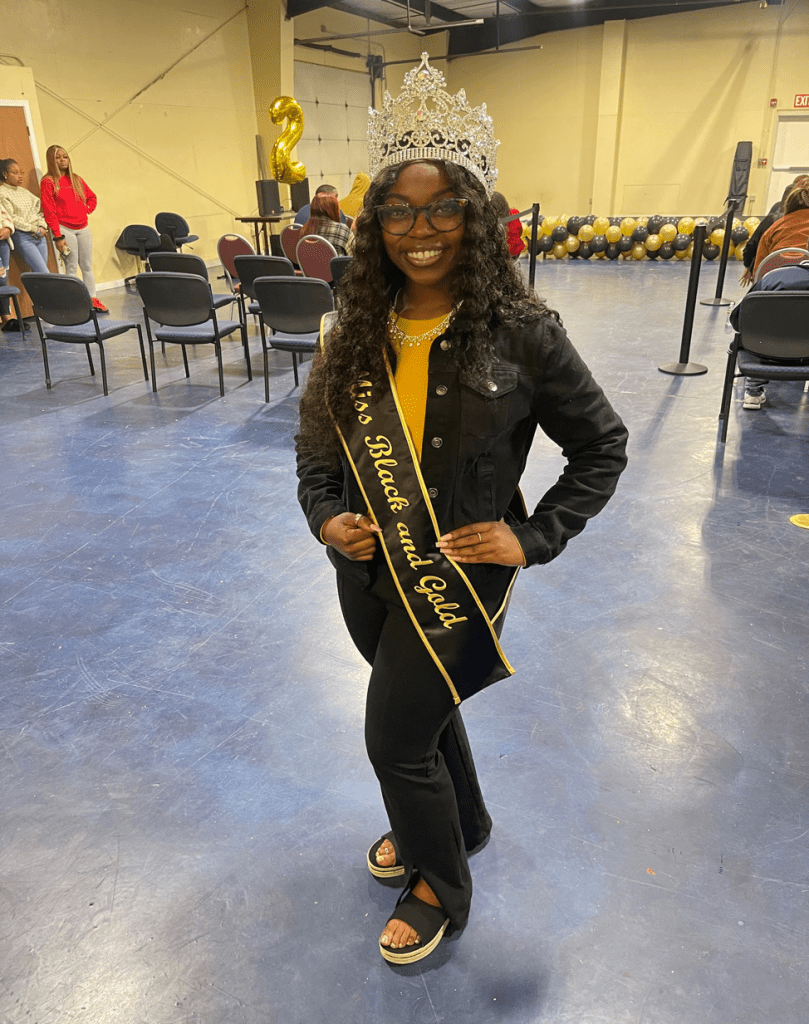
Kiya Luster is the 2022-2023 Miss Black and Gold at SAU. She’s a 20-year-old sophomore majoring in business management.

The Kappa Iota chapter at Southern Arkansas University in Magnolia, Ar., hosted their pageant on Nov. 12, 2022. 

Kiya Luster is the 2022-2023 Miss Black and Gold at SAU. She’s a 20-year-old sophomore majoring in business management. She’s originally from Stuttgart, Ar. 

According to Luster, this was her first pageant. It meant the “absolute world” to her because it showed her that others see her beauty even when she doesn’t. She said, “On that stage I introduced myself to a new side of me that I always used to shy away from. Winning this pageant has taught me to embrace every part of myself, to never stop working towards what you want, and a few tears, silent prayers, and a smile can get you a long way.”

“On that stage I introduced myself to a new side of me that I always used to shy away from. Winning this pageant has taught me to embrace every part of myself, to never stop working towards what you want, and a few tears, silent prayers, and a smile can get you a long way.”

— Kiya Luster, Miss Black and Gold Southern Arkansas University

The Theta Upsilon chapter at Arkansas State University in Jonesboro, Ar., hosted their pageant on Dec. 3, 2022. 

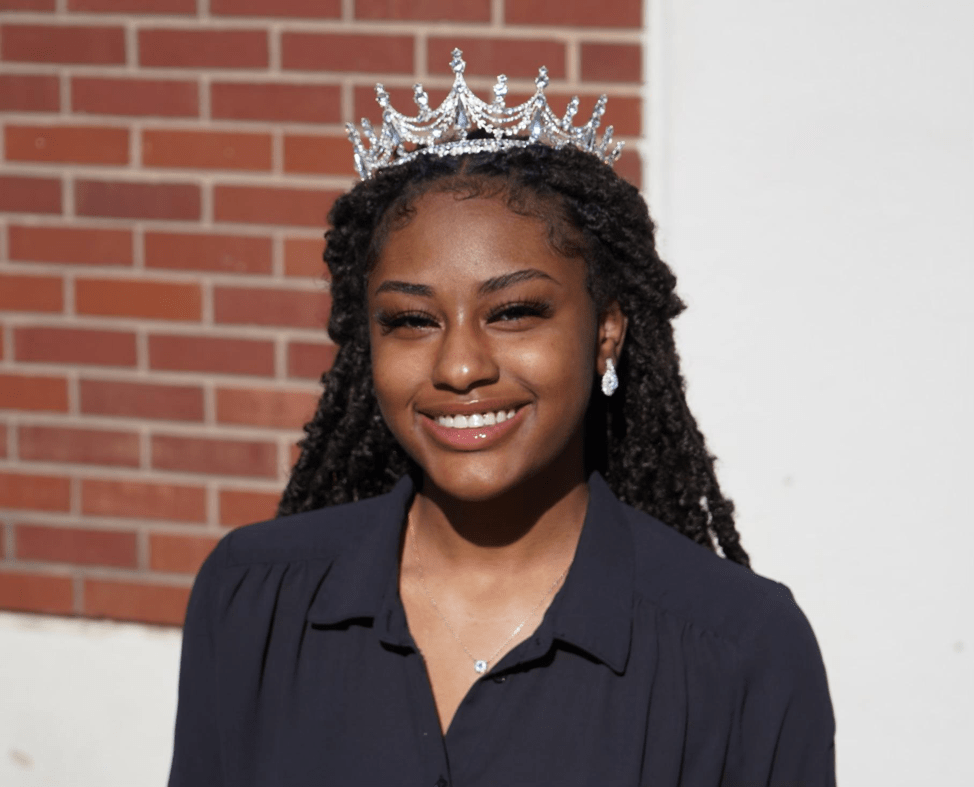
Deanna Jones is the 2022-2023 Miss Black and Gold at ASU Jonesboro.

Deanna Jones is the 2022-2023 Miss Black and Gold at ASU Jonesboro. She’s a 20-year-old sophomore majoring in communication disorders. Her hometown is Jonesboro. According to her, winning was a way to break out of her shell. She’s passionate about community projects and inspiring young girls to follow their dreams. She recently started a program called Empower in which she mentors young girls.


The Theta Kappa chapter at Henderson State University in Arkadelphia, Ar., hosted their pageant on Nov. 17, 2022.

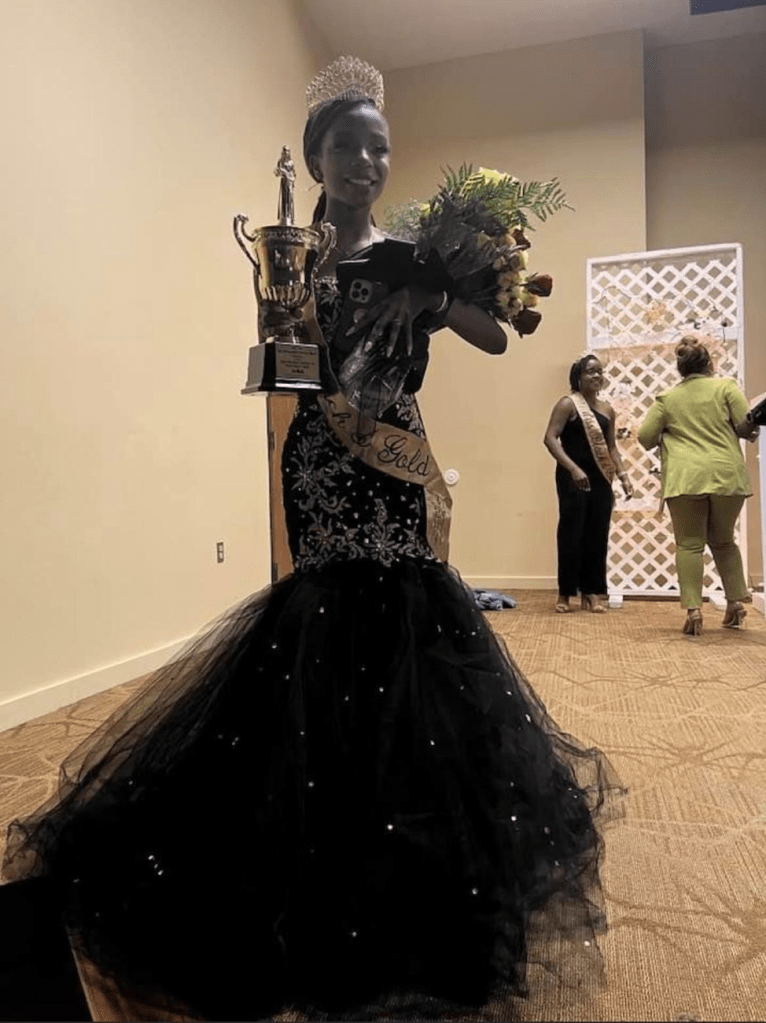
McKenzie Sanders is the 2022-2023 Miss Black and Gold at HSU.

McKenzie Sanders is the 2022-2023 Miss Black and Gold at HSU. She’s a 19-year-old freshman majoring in biology. Her hometown is Little Rock, Ar. She said that she had always wanted to participate in pageants as a child, but was bullied into believing that she wasn’t pretty enough.

“Winning my first pageant…was a very emotional moment for me and my family…but to be crowned after all of those negative denotations and misfortune that felt like baggage just ceased to exist anymore,” Sanders said.

“Winning my first pageant…was a very emotional moment for me and my family…but to be crowned after all of those negative denotations and misfortune that felt like baggage just ceased to exist anymore.”

— McKenzie Sanders, Miss Black and Gold Henderson State University

The Kappa Kappa chapter at University of Arkansas Fayetteville held their pageant on Dec. 3, 2022.

India Young is the 2022-2023 Miss Black and Gold at UA Fayetteville.

India Young is the 2022-2023 Miss Black and Gold at UA Fayetteville. She’s a 20-year-old sophomore majoring in political science and journalism with a minor in African-American Studies. She’s originally from Warren, Ar. She said it’s an honor to represent the Arkansas District.

“Since winning I feel even more connected on campus and look forward to hosting events that bring us all even closer,” Young said. “Winning the pageant has also brought me a new level of self-confidence and poise.”

“Since winning I feel even more connected on campus and look forward to hosting events that bring us all even closer,” Young said. “Winning the pageant has also brought me a new level of self-confidence and poise.”

— India Young, Miss Black and Gold University of Arkansas at Fayetteville

The Beta Chi chapter at Philander Smith College in Little Rock, Ar., hosted their pageant on Jan. 22, 2023. 

Ciara Jenkins is the 2022-2023 Miss Black and Gold at Philander Smith College. She’s a 20-year-old graduating senior majoring in biology and psychology. She’s originally from North Little Rock, Ar. 

“To me, winning the pageant means I have the opportunity to display leadership on my campus and promote important values on our campus and reinforce the family culture on Philander Smith’s campus,” Jenkins said.

“To me, winning the pageant means I have the opportunity to display leadership on my campus and promote important values on our campus and reinforce the family culture on Philander Smith’s campus,”

— Ciara Jenkins, Miss Black and Gold Philander Smith College

The Pi Psi chapter at University of Arkansas Monticello hosted their pageant on Nov. 30, 2022, but the winner was unable to be reached for comment.


The Theta Psi chapter at University of Central Arkansas in Conway, Ar., hosted their pageant on Dec. 3, 2022. The winner was Jaidyn Simington, a junior radiography major, but she was unable to be reached for comment.


Avery Jones is a sophomore in The Department of English and Philosophy at Arkansas State University in Jonesboro, Arkansas. She can be reached at avery.jones@smail.astate.edu