Category Archives: Education: HigherEd

‘I will not be here and not have a journalism program at A-State’!

Note: Article originally published on Wed., Feb. 7 in The Herald.

Thursday, Feb. 8, 2024

By A-State Herald | Contributor

JONESBORO, Ark. – Faculty Senate met with Chancellor Todd Shields, Ph.D., and other faculty to discuss the deletion of the bachelor of science in multimedia journalism (MMJ) degree and how to prevent similar situations in the future. 

“I will not be here and not have a journalism program,” Shields said.
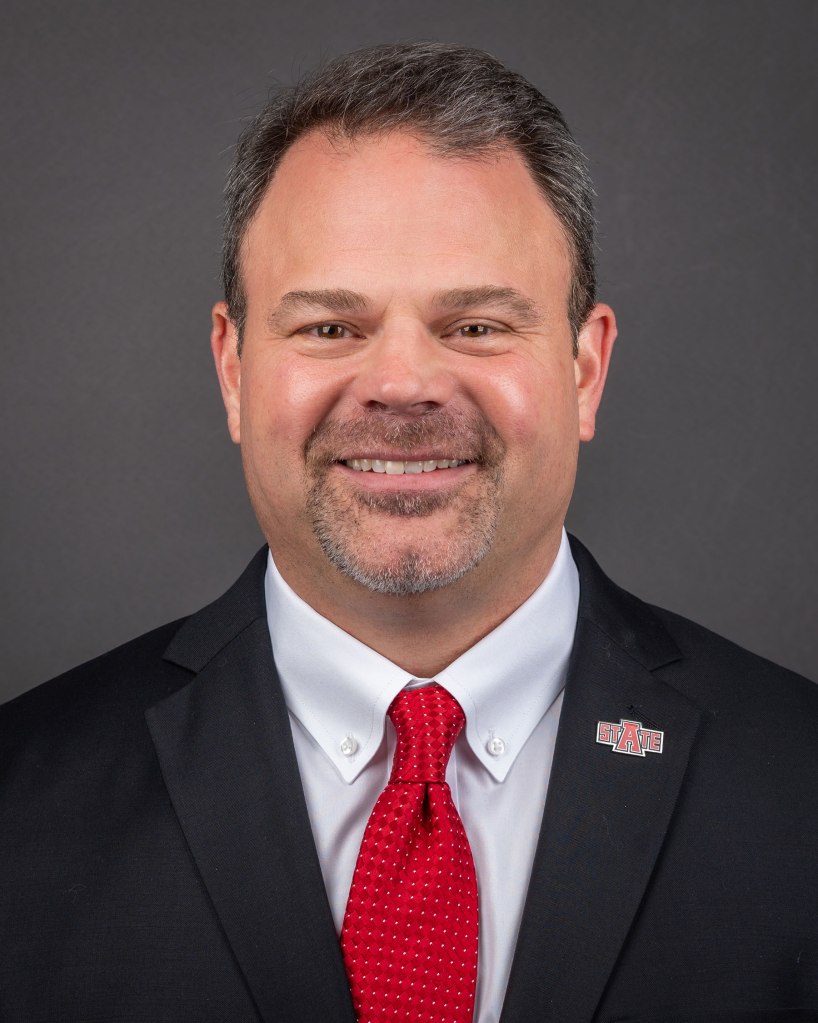
Todd Shields, Arkansas State University Chancellor

The Arkansas Department of Higher Education (ADHE) decided to discontinue the MMJ program at an April 28 meeting. Interim Dean of the College of Liberal Arts and Communication Brad Rawlins, Ph.D., sent an email to students informing them about the decision Oct. 24. 

Gary Edwards, Ph.D., associate professor of history, prepared a document regarding the circumstances of the discontinuation of the MMJ program to be reviewed during the meeting last Friday. 

“We failed multimedia journalism,” Edwards said. 

Gary Edwards, Ph.D, Associate Professor of History

Those in attendance discussed what led to the end of the MMJ program, including ADHE policy, communication issues, internal strife between MMJ and creative media production (CMP) faculty and curriculum issues. 

According to Arkansas Higher Education Coordinating Board (AHECB) policy, a bachelor’s degree program must have an average of six graduates per year for three years to meet viability standards. Otherwise, the program will be cut. Only 4.3 MMJ students graduated during the review period. 

Shields said he prepared to defend the MMJ program to the AHECB, but the board would not hear arguments.  

“I went ‘What the hell was that?’ That had never happened since I’ve been doing that since 1994,” Shields said. 

In addition to declining numbers, Rawlins, who formerly served as the director of the School of Media and Journalism, said the MMJ department was not properly informed about the possible cut of the program. He said if the department had been made aware, they would have addressed the issue much quicker and more vigorously. 

“I’ve done a deep search with all my emails and talked to people, it’s just not there,” Rawlins said.

Brad Rawlins, Interim Dean of the College of Liberal Arts

Shields said he does not know why the department was not notified. He said communication should be improved, but each department should monitor its own enrollment and address issues before the ADHE notifies them.

“ADHE is no longer the one we talk to,” Shields said. “They’re the ones that dictate to us.”

Calvin White, Ph.D, Provost and Executive Vice Chancellor

The chancellor and provost, Calvin White, Ph.D., met with MMJ and CMP faculty July 13 and proposed the two programs combine to keep journalism at A-State. Shields said he hoped the programs would be revised over the fall semester. 

“That did not happen. In fact, I was told ‘We’re not working together,’” Shields said, 

After that meeting, Mary Jackson-Pitts, Ph.D., program coordinator of CMP, sent an email to Gina Hogue, Ph.D., interim director of the School of Media and Journalism saying, “We are not willing to reimagine or launch a new journalism curriculum with the existing MMJ faculty. We have a proposal to establish a broadcast journalism emphasis under the creative media production program.”
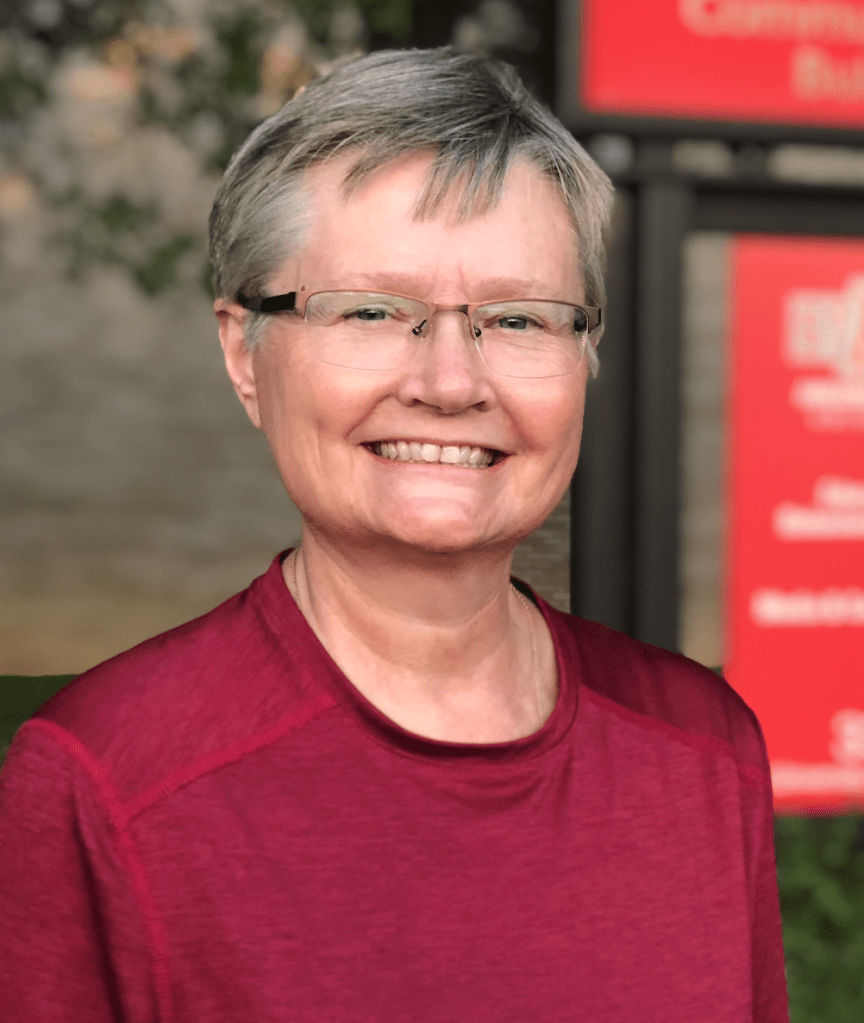

The cause of the issues between the departments was not discussed at the senate meeting. 

“I don’t know the history,” Shields said. “I don’t necessarily want to relive all that, whatever it is. I kind of don’t care. It’s ‘Do you want to work together and have jobs or do you not?’ Do you pull together for the benefit of the students and the campus, or do you not?” 

Shields said he still hopes the MMJ and CMP faculty will work things out and revise the programs to be combined. 

“It surprises me, in fact almost maybe hurts me in a way that is hard to describe. That’s not the A-State that I’ve seen anyplace else,” Shields said. “If people are being uncollegial to the point of hurting students in the program, that has to be dealt with.”

Shields said if the MMJ and CMP programs cannot work together, he will consider removing the program from faculty control and giving control to someone with experience in revising programs. 

Pitts, a professor of creative media production, formerly taught journalism for 27 years. She said she finds issues with the current curriculum MMJ teaches. 

She said the curriculum focuses on writing, but students need to learn other skills such as coding, web design and audio and video production. 

“To prepare that student to only work in print journalism is not fair,” Pitts said. “It is imperative that we look to what happens in the future for journalism and the best way to prepare them. It is not just about writing, it is about all the ways that you guys consume news now and how you will consume it in the next few years.” 

According to the MMJ description on the A-State website, the program prepares students to work in broadcast, digital, print and photojournalism. 

“Through hands-on instruction, practical workplace experience and conceptual coursework, students learn how to create and distribute content for print, radio, television, digital, interactive, social and mobile media,” the description read. 

Sandra Combs, associate professor of multimedia journalism and adviser to The Herald, said in the meeting she does not expect any reconciliation between the departments. 

“The four of us in MMJ have been working since summer of 2023 to come up with a minor for MMJ, to come up with core curriculum ideas for MMJ. Aside from that, we are met with opposition that has been in writing from those who do not support journalism because it’s not creative,” Combs said.

Sandra Combs, Associate Professor of Multimedia Journalism

The CMP program coordinator said journalists should have skills in audio and video production to succeed in the industry today. She said the current MMJ curriculum does not meet these standards.
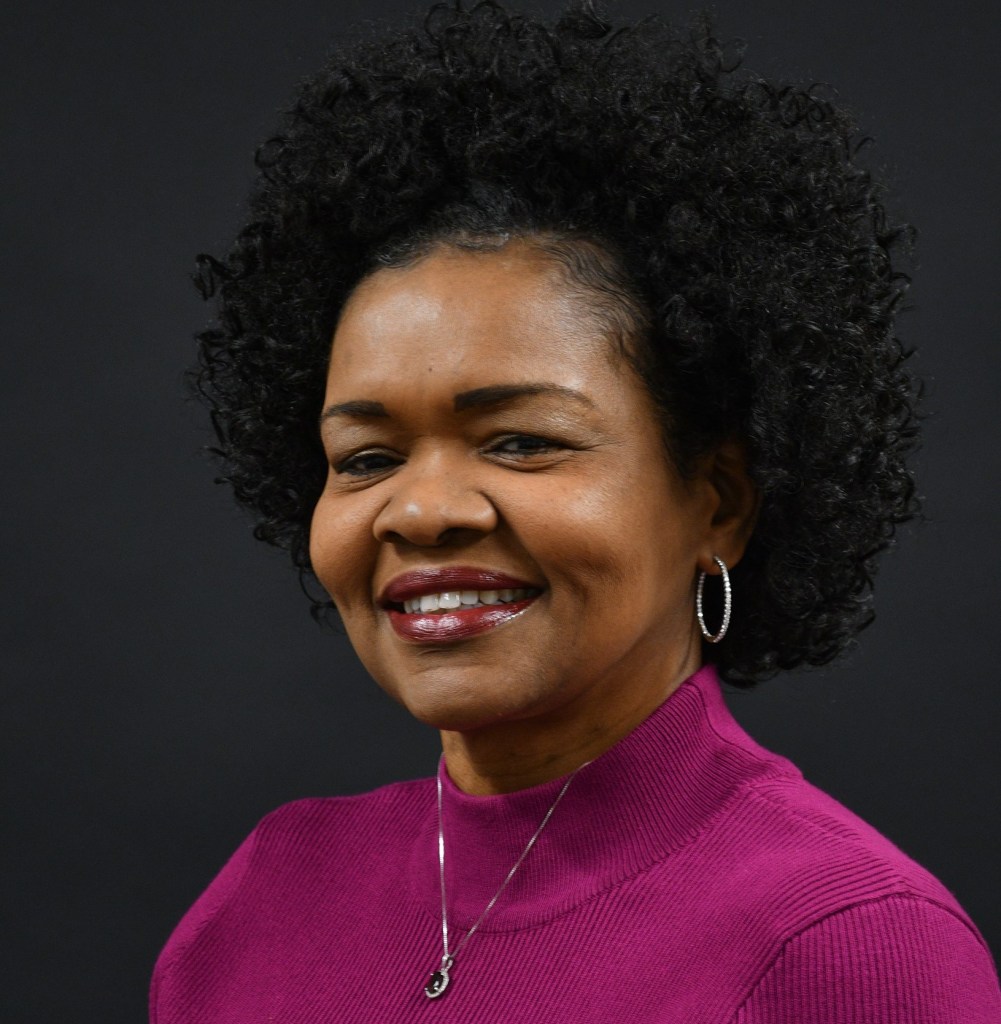
Lillie Fears, Ph.D, Professor of Multimedia Journalism & Multimedia Journalism Program Coordinator

Lillie Fears, Ph.D., MMJ program coordinator, said she thinks the MMJ curriculum provides students with multimedia skills, especially in classes such as multimedia reporting and digital media production. 

She said the MMJ program previously taught broadcast journalism but has not offered any courses since the previous instructor, Larz Roberts, left A-State.

Roberts left after the 2021/2022 academic year to teach at the University of Mississippi, with the position unfilled since his departure.  

“The year that Larz Roberts left, I was in a position to hire an adjunct faculty that teaches in those broadcast journalism areas. I went to every journalism class and tried to recruit students to register for those classes and the enrollment was so low that I could not justify hiring an adjunct faculty member to teach those classes,” Rawlins said. 

Rawlins said he is unsure if the position will be filled in the future, due to uncertainty with the curriculum.

“It would be a position that would teach both in creative media production and in journalism. But in order to make that position work, it needed to have a curriculum that matched the needs of that particular position”

William McLean, Ph.D, Senior Vice Provost for Academic Affairs & Associate Professor of Political Science

William McLean, senior vice provost for academic affairs, said emphasizing how good a program is for the community does not work when defending low viability programs to the AHECB. He said the AHECB is not interested in why a program cannot reach viability standards, they only look at the numbers. 

Pitts said the Faculty Senate should ask for transparency from the administration regarding program viability and specific data required to stay viable. 

“If we are not, as faculty, supplied with the exact number that is being submitted to somewhere at ADHE related to graduation numbers, then everybody will be surprised when it happens to any of your programs,” Pitts said. 

Pitts said there are inconsistencies regarding the data available to her and the data used to determine program viability. 

Faculty Senate president Ed Salo said communication was lost somewhere along the way. He said he wanted faculty to write a resolution to ensure “the ball doesn’t get dropped again.”

Associate professor of chemistry John Hershberger, associate professor of English Khem Aryal and Edwards volunteered to write the resolution that will be presented at the next Faculty Senate meeting, Feb. 16. 

This story will be updated as more information becomes available.

-30-


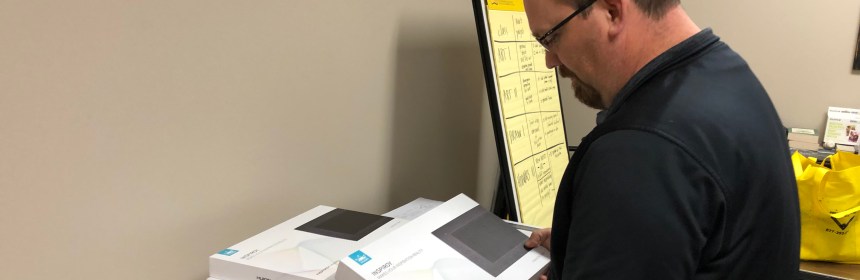
NOTE: Feature image shows a timeline of the MMJ program deletion process at A-State. (Graphic by Caroline Averitt | The Herald Life Editor)

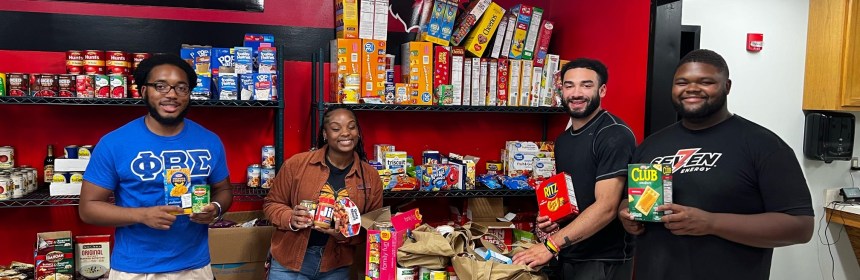
Walmart donates to food pantry on ASU campus

The ASU food pantry and Walmart team up to provide more to campus community

Delta Digital News Service

Friday, Dec. 1, 2023

By Avery Jones | Editor

Recently, the Jonesboro Walmart on Highland has been donating to the food pantry on the Arkansas State University Jonesboro campus. The partnership was arranged by Every Child Is Ours, a nonprofit organization headquartered in Tuckerman.

Use of the food pantry is available to anyone with an ASU ID–student, faculty, or otherwise. With the large number of people in need, it can be difficult to keep up with demand, according to Jameson Archer, an ASU student and the president of the volunteer council.

Every year, the food pantry serves 3,000 to 4,000 students and employees. In July of last year, they served 700 people. Usually during summer break, that number would be around 200 since most students are off-campus at that time, so the demand has seemingly increased.

“There are a lot of times where they’re really having to strap to get people food,” said Dean MacDonald, a graduate student at ASU who also works with Every Child Is Ours.

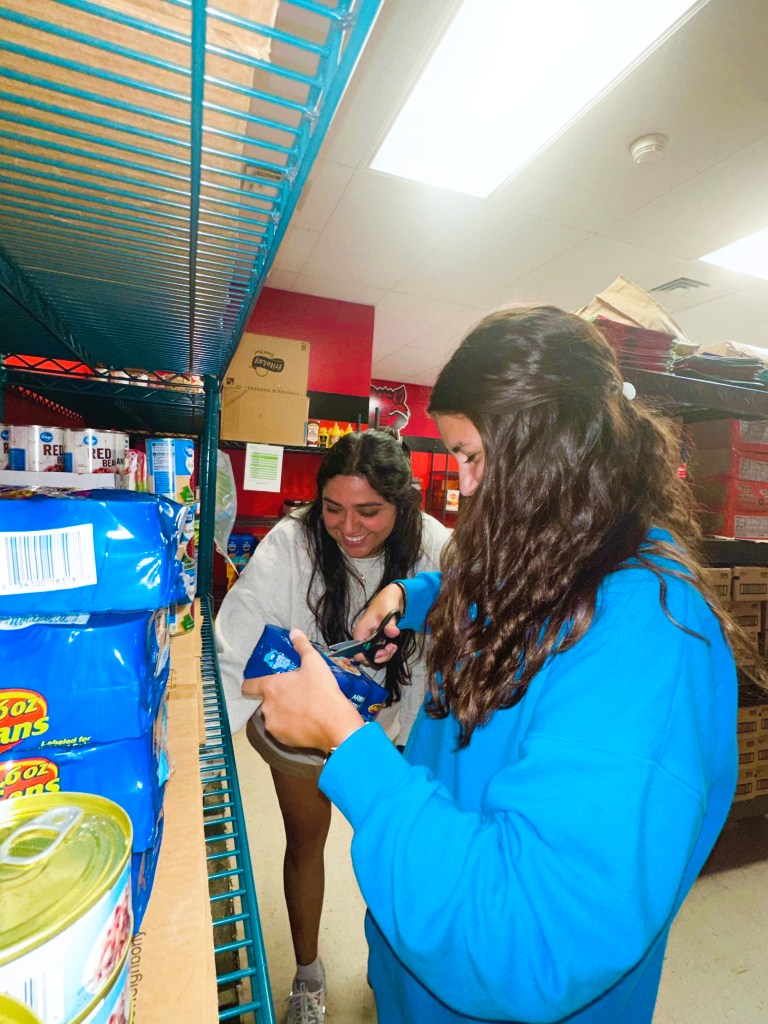
Volunteers Kennadie Hobson and Ericka Hernandez at the food pantry.

Over the summer of this year, they started developing the idea of Walmart donating to the food pantry. The pantry was in need of volunteers since most students had left for the summer. Raven Person, who works in Student Affairs, started volunteering there.

According to Person, she and Bekah Herring, the assistant director of Career Development who also manages the food pantry, started discussing the need for donations. Herring said that almost all of the pantry’s resources come from individual donations.

Both MacDonald and Person personally know Jan Paschal, the owner of Every Child Is Ours. Along with another student, a history major named Alandria Maddox, they set up a meeting with her on June 2 at the ECIO food pantry to discuss what they could do for the community.

Maddox works as an ambassador for Every Child Is Ours. She brings awareness to the cause and helps Paschal whenever she’s needed. She’s been working with them since May when she was introduced to Paschal by Person.

According to Maddox, Person came up with the idea that Walmart might donate to the food pantry on campus. Paschal had collaborated with Walmart before on other projects, and Walmart also often donates to similar causes.

“A lot of hard work was done by Dr. Hogue, Dean, Raven, and Mrs. Jan,” Maddox said.

Paschal said at the meeting that Walmart wanted to donate to ECIO, but it would be better if the donations went to ASU instead. Paschal contacted an executive at Walmart, Carolyn Hembrey, to set it up. 

Hembrey said that she has worked with Paschal many times. She approved the new project and helped to coordinate times for when the volunteers come to pick up the donations.

“I just did not realize that there was a need. I guess we just assume if they’re going to college, they must have the funds to eat, and I was just like floored at the need that there was…” Hembrey said. “I’ve really been encouraged by the participation from the volunteers and just the excitement that they’ve had about the project also.”

The donations occur once weekly. They consist of canned items and other preserved food but also fresh food, such as vegetables, fruit, meat, and dairy. These donations offer a bigger variety than what the food pantry is usually able to provide.

“It’s widened our variety,” said Archer. “It’s always nice because we’re serving so many people, it just gives us something else that we don’t have to personally buy.”

-30-


Note: Feature photo shows volunteers at the food pantry.

Fleeing Northeast Arkansas

Delta Digital News Service

By Cameron Bandy | Contributor

JONESBORO, Ark.- College graduating seniors are fleeing Northeast Arkansas in droves with the lack of job opportunities, engagement and quality of life. Students are headed to larger cities like Fayetteville, St. Louis, Houston, Dallas and Nashville to find jobs.

Quality of Life

   Dylan Tedder, assistant director for employer relations, hints that quality of life hinders Northeast Arkansas to keep students here. Career services work with students, employers and alumni to serve as a bridge for employers to connect with students and for students to connect with employers or graduate schools if they choose.

   College seniors are leaving Northeast Arkansas for larger cities for better opportunities and quality of life.

   Tedder said, “I think a lot of it has to do with quality of life. I think that there could be people looking at all the things they have going on in Northwest Arkansas or in Nashville and it is viewed as a cool place and naturally, it is easier, while the jobs may be comparable in a lot of cases they are, or they may even be better here, but the quality-of-life piece makes the difference.”

   There are some industries that aren’t present in northeast Arkansas that Arkansas State have majors for but there isn’t as much opportunity in Jonesboro compared to a bigger market like Nashville.

   Tedder said, “I think that there are opportunities in every field here in some compacity, but I do think that when the level of opportunity obviously there’s going to be a difference between a market like Nashville or St. Louis compared to any city in Arkansas with the exception of Little Rock.”

   A-State, as a regional institution, should play a role to connect students to opportunities, but employers should put the effort into the community and being on campus to engage with students. Businesses should engage with potential hires to make the brand recognizable when students start filling out applications. Having a recognizable brand for a business can only help to keep talent in Northeast Arkansas.

   The city government should also prioritize keeping younger generations here to keep Jonesboro and this region thriving through quality-of-life initiatives.

   Tedder said, “I think it comes back to quality-of-life initiatives and until we get to a point where we, as community, start to prioritize that, then it’s going to be a struggle. It is pretty obvious what Fayetteville has done with the biking green line just as an example and they have invested money in that. Until we can make a commitment like that as a community, then that is where the difference is. I don’t think there’s a gap in jobs as much as a gap in the willingness and the ability to invest in quality of life.”

Financial Aid

   Sharon James, associate professor of management, claims financial aid is the reason for losing college graduates especially at the start of their college career.

   James said, “I remember when they hired a new enrollment management person, that person has since left, but I don’t think the philosophy has changed. They seem to think they can get good students without giving so much financial aid.

   James continued, “When I was department chair of managing and marketing, I was talking to prospective students who had offers from the University of Arkansas and they were not top students and they had decent financial aid packages way before we offered them anything. They told me they hadn’t heard from our financial aid people, and I think that’s the problem.”

   James’ home state of South Carolina proactively targets students to keep them in the state. She praised the work Admissions is doing at A-State and in the Spring of 2021, she gave an exceptional high school junior a tour of the college of business. Admissions were in touch with him, but Financial Aid wasn’t. A-State has untapped potential and a competitive advantage for first-generation students and have a mechanism for anyone wanting to work hard.

   James said, “We are not exploiting that advantage fully, and it’s not that people are trying to, but maybe it’s too fragmented in terms of how we approach. In 2014, 2015, 2016, I thought we were doing that pretty well, but we have fallen off a cliff. I don’t know as conjecture but perhaps because we’ve sliced up the responsibility too much that we don’t have an efficient communication across lines.”

   James is sensitive to people not wanting to leave home to gain experience because it is restraining.

   Long Gone

   Lexi Sitton, from Melbourne and a recent graduate at A-State, now lives in Dallas, working as a legal assistant at The Clinesmith Firm. Sitton always wanted to live in a bigger city. Dallas had more to offer than northeast Arkansas like opportunities and open-mindedness.

   Sitton said, “I think a good way to encourage college grads to stay there is by offering them more opportunities to grow instead of just being stagnant and only being able to work to a certain point.”

   Sitton would consider moving back to Arkansas but not anytime soon.  

-30-

Public housing residents shelter in place as extreme weather pounds the region

College students enjoy the extended break

By William Blake | Delta Digital News Service

The first round of extreme weather hit Craighead County in earlier this month. The combination of ice and snow on the ground was enough to shut down the roads and other parts of the city.

   Even though extreme weather is a disturbance, people must be prepared to be shelter inside their home for a few days if they cannot drive. Carol Crawford, public housing manager for the Jonesboro Housing Authority said, “I try to get all my work done in case the weather is so bad in case we can’t come in.”  

    As a public housing manager, Crawford works with tenants and other staff to keep everything running smoothly. However, it can be hard to keep people happy when they go without power or food due to storms. 

   Crawford said, “[there are] many places that offer Hud housing in Jonesboro which have their own Hud contracts, which is where they may have a food pantry on site.”

   While some public housing may have food on site, the organization lacks the funds to supply resources like a generator or transportation to those without power who cannot leave their homes for work. This can be different from other housing options in the Jonesboro area.

   Callie Tosh works as an intern veterinarian and is a resident of Sage Meadows, a neighborhood on the east side of Jonesboro. Neighborhoods can be the worst place after a snowstorm because trucks do not come to salt the roads, which extends the melt time for ice.

   “It was so bad that I didn’t leave my house until Saturday. I didn’t trust my car to start or to make it down the driveway,” Tosh said. 

“It was so bad that I didn’t leave my house until Saturday. I didn’t trust my car to start or to make it down the driveway,” Tosh said. 

– Callie Tosh, intern veterinarian

   The extreme weather did not hit Jonesboro as hard as it hit other cities in the area. In Memphis, thousands of people lost power due to the freezing rain and ice knocking down power lines. 

   Tosh said, “Luckily we did not lose any power, but I was worried about running out of food.” 

   People first think about food when they hear a storm is coming. People flock to grocery stores and gas stations to buy anything and everything they might need. Since some public housing have a food pantry on-site, was this the best place to be during the snow?

   Jared Baltz, a junior animal science major at Arkansas State University, lives on campus in the North Park Quads. He could not leave campus due to the snow, but at the same time he enjoyed it.

   “The food options were still open, and I was able to go to the Union to get food. We also did not lose power which made it a lot more comfortable,” Baltz said. 

Essentially, everyone in the city got an extended weekend and an excuse to stay inside.

   Neither public housing, the Sage Meadows neighborhood, nor campus dorms had wide area power outages from the storms.


NOTE: Featured Photo: The North Park Quads on University Loop East is inundated with snow earlier this month. The dorms are comprised of five co-ed buildings which are home to first-year and upper-class students.

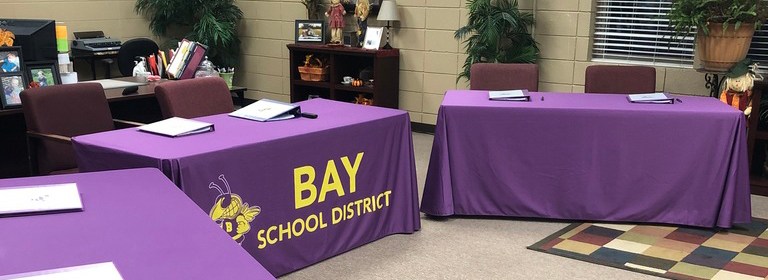
Bay school district superintendent gets extended contract

By Maddison Smith
Delta Digital News Service

The board approved this motion to extend Superintendent Luke Lovins’ contract, in a 5-0 vote. Lovins has been at Bay for a year. His contract was extended into the 2023-2024 school year.

According to the school district’s website, this meeting was not the first meeting held on Zoom. Last month’s parent-teacher conferences were also held on Zoom. High school Principal Jodi Cobb said during the school board meeting, “Parent teacher conferences last month went as expected.”

Faculty and staff had already planned for the winter weather earlier last week. “I appreciate our administrators, our faculty and staff for being prepared for what we’ve got the last few days,” Lovins said, “Our buildings are ready, they sent home devices last Tuesday just in case and now you see where we’re at. We were able to push through and provide the kids with instructions, food or whatever they need. I want to say how much I appreciate all the hard work that everyone has put in.”

Bay School District is also looking to hire a contract manager for upcoming projects at the school. These projects include a new heat-and-air system in the high school, as well as new classrooms added onto the high school and possibly the elementary. The board stated it has not found that position yet but is considering board member Graham Eldridge to do the work. 

Other items on the agenda include: 

  • Student of the month and employee of the month will be recognized on social media or at a later date due to the meeting being on Zoom
  • 32 elementary students continue attending class virtually 
  • 55 high school students continue attending class virtually 
  • No students or faculty face quarantine at this time 
  • ACT Aspire for high school scheduled for next week may be postponed due to inclement weather
  • The state bowling tournament has been rescheduled along with the Junior Boys  basketball district semifinals

During the next school board meeting, the board will discuss plans for the next school year concerning COVID-19, how the school is going to deal with it and if they will be offering virtual learning or onsite learning only. It will also consider  if the school needs to buy a new fleet of school buses, keep fixing the ones they have now or lease out new school buses. 

POCAHONTAS SCHOOL DISTRICT TO CLOSE TO PREVENT THE SPREAD OF CORONAVIRUS

By Christine Miyawa
Delta Digital News Service

POCAHONTAS – The Pocahontas School District to close March 17, amid fears of the Covid-19 catching the students, faculty and staff.

“The division of Elementary and Secondary Education instructed the Pocahontas School District to close beginning Tuesday, March 17 to Friday, March 27,” the Superintendent, Jerry Martens, said on the school district website.

The closure includes all academic and extracurricular activities.

So far, no report of anyone testing positive for coronavirus reported in Pocahontas.

The school gave the students Alternative Methods of Instruction (AMI) packages to guide in their studies at home.

Martens said the school would resume classes Monday, March 30.

“No student is allowed on campus for any reason as per the request of the commissioner of education and the governor of Arkansas,” Martens said.

He said students would be able to contact their teachers through email for questions concerning AMI assignments.

Editor’s Note: Photo by Viktor Forgacs on Unsplash

POCAHONTAS SCHOOL BOARD TO OPEN NEW CHECKING ACCOUNT AFTER DETECTING FRAUDULENT ACTIVITY

By Christine Miyawa
Delta Digital News Service

POCAHONTAS – The school board of the Pocahontas School District voted March 16, to open a new checking account for the new elementary school amid reports of fraudulent activity on the current checking account.

“There has not been any money lost by the district at this time, Jerry Martens, the superintendent said.

The board is yet to file a police report as per the audit request. Martens said the bank suggested the board close the current account and open a new one. The bank also required minutes of the school board meeting approving the changes to open a new account.

During the executive session, the six- member-board agreed to increase the grade 7 cheerleader stipend to $1538, paid in the remainder of the 2019-2020 school year.

The board hired Amy Story as grade 7 cheer sponsor, Junior assistant cheer sponsor and senior citizen cheer sponsor for a stipend of $1400 for the school year 2020-2021.

The board also voted to hire a new cafeteria worker for the Junior high.

On a separate note, Martens said a couple of boys requested to transfer from Pocahontas School District to Sloan Hendricks School District.

He told the board, the Sloan Hendricks superintendent declined the request saying, the school would not be able to accommodate the boys because grade 9 is full and he would have to hire a new teacher should he take the boys.

Editors Note: Photo by Markus Spiske on Unsplash

POCAHONTAS SCHOOL DISTRICT TO PURCHASE NEW SCHOOL BUS

By Christine Miyawa
Delta Digital News Service

POCAHONTAS – The Pocahontas School District will acquire a new school bus. Board members voted unanimously Feb.24 to approve the purchase of a 2021 Blue Bird 89 passenger All American School bus for $112,740.

“This is exactly the same as the bus we ordered last year, this one we would have netted the option of a swing-out radiator. Anytime you do something to the front, you have to pull out the whole radiator. This new one will swing out on the hinge it will be a lot easier for them to get into,” Supt. Jerry Martens said.

The art students will have an art sale and the proceeds will go towards visual art scholarship award of $200 to one or two of the best senior art students during the annual senior award. The board approved the proposal the visual art teacher presented. Two art teachers and administrators will choose the winners from the applicants.

Charles Parten, a parent at the school, complained over a misplaced school band drum he was reimbursing the school for. He said his son returned the drum back and placed the instrument into the band room. Judy McClain, a board member, said the students must hand over the drums to the band director when leaving. Any drums not handed to the director of the band and left in the band room will be charged to the parent’s account if lost. The board, however, agreed to discuss the matter further and get back to Parten with regards to the payment.

In other business, three staff members resigned, four students in grades 2, 5 and 9 transferred to Sloan Hendrix School District and an 11th grade student relocated to Hoxie School District.

The school hired a new assistant cheer coach and technology-support, specialist.

The board agreed to increase the seventh grade cheerleading stipend to $1,538 for a staff member for the remaining part of the year.

Martens said the next school year would begin August 13, 2021, and the last day of school will be May 26, 2021. This year, the school will break for summer May 23.

Editors Note: Photo by James Day on Unsplash

Nettleton School Board honors special member

By Tristan Bennett
Delta Digital News Service

JONESBORO – The Nettleton School Board honored a special member of the district’s team at a meeting Monday night.

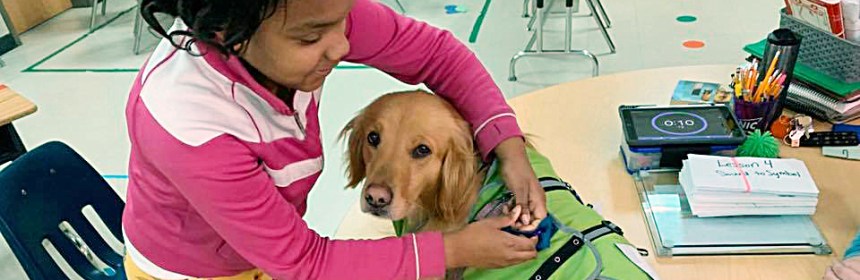
The board recognized Abby the therapy dog for the work she and her handler, Bryce Holmes, do with the students at University Heights School for Medical Arts.

“We do a lot of things with the kids from going down the slides to literacy and emotional control,” Holmes said.

Abby and Holmes began going to the school since December 2019 and immediately became popular among the students. Abby spends every Tuesday and Wednesday encouraging young readers and bringing smiles to classrooms. Debbie Bean, UHSMA principal, said she already noticed an improvement in her building.

“You can just kind of feel it,” Bean said. “When she walks in, the kids are just drawn to the dog, and the dog is just perfect.”

Abby is a resource for every student, but works especially with the special education program. She wears a vest that was designed with snaps, zippers, buttons and ties to help teach fine motor skills.

She also works with UHSMA reading interventionists. Students read aloud to Abby to help build their confidence and ability.

“There are kids that stop and go ‘I will read to Abby,’ and to have our interventionist say ‘We never thought we’d hear them say that,’ that’s a huge encouragement for me,” Holmes said. “That’s one less kid that has to go through the hum-drum of reading out loud.”

According to Holmes, therapy dogs in schools improve test scores, increase attendance, help with emotional stability and bring down stress hormones.

Also on the agenda, James Dunivan, superintendent, recommended the addition of a $50 non-refundable registration fee for the district’s three Pre-K programs. If accepted, the fee would be applied to the first tuition payment.

“With so many Pre-Ks in the area, understandably, parents will go around and put their names on multiple lists,” Dunivan said. “We hold that spot, we don’t get to fill it. So, we hope that the $50 registration fee will make it more serious and more important before they put their names on the list.”

The board, with all members present, voted unanimously to accept the recommendation.

Next, Grace Petersen, elementary curriculum director, and Lacy Baker, secondary curriculum director, gave reports highlighting student accomplishments from across the district.

Elementary students attended the Arkansas Junior Beta Club Convention in January. A Fox Meadow School of Creative Media student was elected president of Arkansas Junior Beta Club, and 100 more students attended and competed at the convention.

The Jr. High Quiz Bowl Team took fourth place at the state tournament and received an invitation to nationals, and a Nettleton High School student won the Crowley’s Ridge Reading Council writing contest with his essay about the impact “Harry Potter” as had on his life.

Other issues discussed in the meeting were:

  • The purchase of a new school bus
  • Discarding inventory items no longer on site at the district
  • Student transfers
  • A salary schedule amendment to add the technical events director

All recommendations passed unanimously.

Jonesboro Public Schools welcome new nationally certified board teachers

By Krishnan Collins
Delta Digital News Service

JONESBORO –The Jonesboro Public Schools’ school board recognized eight new nationally certified board teachers at the JPS school board meeting Feb 11.

   The district now has 44 nationally certified board teachers and the process to become a nationally certified board teacher is a challenging process. 

    Christopher Taylor, a kindergarten teacher, described the challenges. 

   “Intense,” Taylor said. “It was very intense. It was probably one of the hardest professional things I’ve ever had to do. But I feel like it’s made me a better teacher. As I was going through the process I was actually able to see things that would help me improve as a teacher.”

   Teachers worked for months and sometimes even years producing videos, collaborating and typing reports all to be able to identify student needs inside and outside of the classroom. One teacher said there were 100 plus pages of typed material in the process. 

   Although a big goal of the process was identifying student needs, the ability to identify teacher needs was also gained. 

   The JPS board did not divert from the agenda on a very straight forward meeting night. The board did enter executive session, as the agenda said it would, to discuss employment, transfers, resignations and retirement for the 2020-21 school year. 

   Some discussion ensued over the issue of approving next school year’s academic calendar.    

   Board member Archie Ryan asked, “Is there anything unusual about the calendar?”

    It was said there was nothing unusual about the calendar but the school year would be starting on Aug. 13 which is the first day the district is allowed to have school and on a Thursday. The calendar also allows school to get out seemingly earlier than usual as school will end before Memorial Day. Memorial day in 2021 is May 31. 

   Students of Annie Camp Junior High School, Jimaria Jackson, Diamonique Reynolds, A’niah Graves, McKinna Robinson and Allannah Orsby were recognized at the board meeting after saving the life of a man who was going to attempt suicide. 

   According to KAIT8, Dec. 5, 2019, the members of the Annie Camp Junior High School basketball team were walking to Sonic. On the way there, they saw a man tying cords to a bridge and he put a cord around his neck. 

   The players called the police and continued to talk to the man. The man’s life was saved as officers arrived on the scene. 

   The JPS board’s next meeting is set for March 10 at 6 p.m. The meeting will be held in the JPS administration building.

Editors Note: Photo by Element5 Digital on Unsplash

Gun-toting students prepare to face judge

By Crystal Carter Harrell
Delta Digital News Service

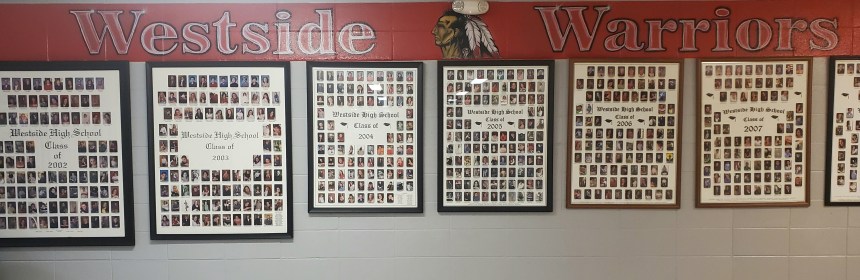
JONESBORO – Two 17-year-old male students at Westside High School exchanged a loaded .22 revolver at school on Jan. 23 and are now said to be expelled.

School Supt. Scott Gauntt said the school district has strict procedures about what can be done and when it can be done. Those procedures have not yet been met.

“We have not been able to hold a hearing. We can’t hold a hearing without them having the ability to come and stand up for themselves,” Gauntt said.

Dakota Hays gave a gun to fellow schoolmate Patrick Houston in the boys’ bathroom. Houston allegedly wanted to kill a 16-year-old co-worker who also attended the school according to a previous KAIT8 report.

Craighead County Division 4 Second Judicial Circuit Judge Cindy Thyer found probable cause to charge them both with conspiracy to commit capital murder and possession of a firearm on school property. Judge Thyer set bond at $250,000 each and ordered them on house arrest should they make bond.

Hays and Houston still remain in jail and have not made bond.

Ryan Tolbert, Westside Schools security director, began employment in the school district four years after the 1998 Westside Middle School shooting. Tolbert said the situation started and began within seven minutes. 

“In this particular situation, no students were injured. Everyone was safe. It happened quick. It ended quickly,” Tolbert said. “It’s stressful. You have to make the best decision possible in a short period of time.”

District Treasurer Bill Breeden said the two students will no longer be part of the school district.

The students appear in court on Feb. 28.

Tuckerman organization takes students above and beyond

By Krishnan Collins
Delta Digital News Service

TUCKERMAN – Behind the guidance of an extremely hardworking and passionate woman, an organization brought Tuckerman schools’ report cards to an A grade and provides support for communities in the Delta. 

   Jan Paschal’s organization, Every Child is Ours, provides support for students in Tuckerman and also helps people in the community get the amount of food they need. 

Jan Paschal stands with Nelson Mandela. Paschal worked with leaders around the world like Mandela and President Bill Clinton to help students gain a better education worldwide.

   Paschal aims to help less fortunate students succeed in the classroom. Paschal said she believes every student can obtain an education; some students just do not have the same opportunities as others.

   “I think we have different expectations for poor children than we do for rich,” Paschal said. “I think that’s wrong on every level. I think rich and poor children can all succeed if they have equal footing. I think we as Americans need to look at education in that way.”

   Paschal worked with people like Bill Clinton and Nelson Mandela as she helped students gain an educational footing all around the world. Despite Paschal’s ability to reach different corners of the world, she moved back to Tuckerman and made an impact. 

   One of Paschal’s main points she emphasizes allows students to feel like they are loved and to feel like they are believed in. In Tuckerman, ECIO puts on multiple events for students of all ages to show they are loved and to let students get involved in the community. 

   Perhaps one of the most moving of those events is the bunny cake event. Students in fourth grade individually bake bunny shaped cakes after an important state mandated test every year. After they bake those cakes and decorate the cakes themselves, they write a letter to the person who has helped them the most in education. 

   “The letters are incredibile,” Paschal said. “Maybe you don’t even know that the grandma has come over and read to this child forever. We had one little boy who graduated and went to Lyon College. His grandmother helped him because his mom had a drug problem. He had to be outside under the steps. That’s where he was all the time, under the steps of his house. That little boy was an honor graduate of this school.”

   One annual event that truly represents what ECIO and Paschal are all about. Tuckerman High School principal Michael Holland noted many of the events ECIO puts on in Tuckerman, but he only called one the main event. 

   While a lot of schools may schedule a day off for Martin Luther King Jr. Day, Tuckerman schools do not schedule the holiday off. However, that day is seen as a day of service with ECIO as students prepare meals including soups, chili and sandwiches. Students deliver the meals to elderly residents in the community. 

   “When those kiddos, I drive the bus, those kids get off the bus and knock on the door,” Holland said. “Sometimes those kids will come back to the bus with a tear in their eye. I say ‘Hey is everything OK?’ and they say ‘Yes that was wonderful.’”

   Holland said the day of service stands as his favorite day of the school year and he is proud to be a part of the event. 

   Arkansas State University also participates in the day of service. Gina Hogue, an associate professor at A-State, said the impact of the day of service was so major on a student that the student told Hogue she still remembered her trip to Tuckerman and getting to work with Paschal from two years ago. 

   “I am so inspired by the work she’s doing and providing food and clothing and encouragement for students,” Hogue said. “When Jan walks into a classroom and introduces herself and looks in the eyes of every single student in the class, they know they’re special. She tells them that they’re special. She encourages them to become the very best student they can be.”

   With Paschal’s work in Tuckerman, an expectation of college or some form of higher education is placed on students. Paschal, of course, has a way to encourage that expectation. 

   ECIO brought A-State students to Tuckerman schools and had the students talk about what it was like to be in college. Athletes and student government members alike talked to Tuckerman students and Paschal pointed out the athletes did not talk about their ability on the field, they talked about what life was like in the classroom. 

   According to Paschal, the student government members from A-State received the same amount of love just as the athletes. Young Tuckerman students just wanted to know what it was like to be in college. 

   Hogue, a first-generation college student from the Delta herself, knew the importance of A-State students sharing their college experiences. 

   “I’m a first generation college student from Bay, Arkansas,” Hogue said. “My parents encouraged my sister and I to get a college education. But a lot of the students we grew up with, did not have that family support. They didn’t know they were really capable of going to college.” 

   After teaching and just being in the Delta, Hogue said she realized a lot of students had never thought of the idea of going to college. She called Pascal’s work of encouraging students to get a higher education “critical work.”

   Bringing multiple Tuckerman schools to an A rating took work from everyone in the community. Paschal noted ECIO worked like the glue of everything that was going on to increase students’ productivity. 

   “We have so many kids who have substance abuse problems,” Paschal said. “Not them but people in their homes. (We have) poverty and we don’t even have a grocery store here. What we’ve almost become is the glue. We’re what holds everybody together.”

   Holland acknowledged this glue effect and praised his own faculty and staff at Tuckerman High School. 

   “If a student is lacking in food at home and they have to come to school hungry, I just think it helps and works hand in hand,” Holland said referring to ECIO’s side. “If we can help provide them with food, it’s only going to help their learning.”

Holland talked about his faculty and staff next.

   “I really feel like it’s a one word answer: family,” Holland said about what makes his staff so successful. “I feel like this is the best overall staff I’ve had in place since I’ve been here.”

    Another aspect of Paschal’s work includes encouraging teamwork and kindness. With the help of Dillards at Tuckerman’s Middle School campus, Dillards built a boutique where students can buy clothes. The twist happens when students earn special currency that can be spent at the store by just being kind to one another and then informing the act of kindness to their teachers. Paschal said it is hard to open a door for yourself at the middle school because everyone is working so hard to be kind. 

   ECIO even provided McDonalds meals as a treat to every student in a class if everyone completed all the tasks given to them on a checklist in an event before Christmas break. This taught accountability and teamwork as students made sure everyone completed their tasks so they could receive a tasty treat. 

   From widening students’ worldviews by having them talk to students in overseas countries like Jordan, to encouraging high school students to help older people in the community by unloading food at the food pantry, it seems like Paschal never runs out of innovative ideas to transform a community. Her passion for education flows into the community and the people around her.

   “Children everywhere can learn if they have the right conditions and the right books and all the things that we try to give to ours,” Paschal said. “We need to make sure that in the USA every child is valued. I don’t care what that child’s problems are, what color their skin is or what their religion is. We should as Americans have the standard that every child matters. That’s the name of our organization, Every Child is Ours.” 

Editor’s Note: Feature photo courtesy of ECIO: Jan Paschal stands with the students after the annual Bunny Cake event. After the cakes are made, students write a letter to the person who helped them the most in their education.

Tablets provide JHS students with next level experiences

By Krishnan Collins
Delta Digital News Service

JONESBORO – The Foundation for Jonesboro Public Schools awarded a Jonesboro High School art teacher $1,000 so he could provide drawing tablets for his class and expand the abilities of his students. 

David Leggett used the money he received from a grant to purchase Huion 610pro tablets for his digital art media class. Although the tablets are a staple of the digital art media class, Leggett said other art classes should eventually be able to use them. 

After applying for a grant from the foundation, Leggett did not find out he won until foundation members visited his class during a school day. The awarding of the money surprised the art teacher. Members of the foundation walked through the halls of JHS ringing a cowbell as they approached his door. 

   “They don’t tell you you’re awarded,” Leggett said. “You submit your thing and then you wait. If you’re lucky enough to hear the cowbell come to your door, then you’re like OK. I didn’t realize it until they opened the door. It was right outside the door, I was like, that noise seems to be getting louder. Then it dawned on me, it clicked. I might’ve won. I can be excited now.”

   Leggett bought 17 tablets with the grant money and the tablets helped students achieve goals they might not have been able to achieve in the past. 

   “It helps a lot of the kids,” Leggett said. “A lot of kids feel like they can’t draw. So, they get into the computer side of it and know they can undo stuff and redo. They feel like they have a little bit more control over their media.”

   In classes like digital art media, students now approach projects with more confidence. 

   “In the digital classes, if I was to set a piece of paper in front of them and say we’re going to draw a face, a lot of the kids would say I can’t do that,” Leggett said. “So what we’re doing right now is practicing on using the tools and then we’re learning how to trace the face and the contours of the face.”

   Maddy Grubb, a junior at JHS, said she never really used a lot of technology in her art classes in the past and the tablets were her first experience with high-tech equipment when it comes to art. She noted how the tablets changed the game in her art classes recently. 

   “I feel like it definitely makes it easier for us,” Grubb said about the tablets. “When we have to use computers in our art class, it’s a little bit harder. It’s not as accessible as when you can use a tablet. The tablets definitely make it easier for us to draw and trace for our art projects.” 

   Grubb said she was nervous at first using technology to create art, but in the end, she realized how helpful the tablets were to use. 

   “I was a little nervous because I wasn’t really sure what it was going to be about,” Grubb said. “But it’s actually a lot easier than you think. You just plug it up to the computer and press a couple buttons. It’s very easy.”

  Another student, Brian Holmes, held more experience with high tech art equipment. The JHS sophomore used other tablets in the past and commented on why tablets are so important for art students. 

   “Being able to undo and redo and free transform objects is really helpful,” Holmes said. “So I don’t have to manually go back and erase it.”

   Holmes used a variety of tablets in the past and mentioned some of the advantages of the Huion tablets in Leggett’s art class.

  “The hot keys are really simple and the pressure sensitivity is pretty good too,” Holmes said. “Overall it’s just a really nice, simple tablet.”
  JHS offers a variety of different art classes and both Grubb and Holmes acknowledged the focus on technology at JHS. The technology helps improve the classroom. 

   “The classes do care about the quality of the classes and what they give out,” Holmes said. “They know that higher quality things can help students produce higher quality work.”

   The impact of the tablets on students shows in the classroom. Leggett noted how the tablets help create art in ways that just takes a lot of pressure away from his students. 

   “I do think it will actually help them in observation,” Leggett said. “(It will help them) in drawing something that they can always go back and undo a line and redo a line. They can do this much easier when they have a tablet in front of them by pushing a button. There are so many options they can do. Their anxiety is so much lower.”

  Even with the success of the tablets in the classroom so far, Leggett still looked into the future and saw more ways to improve his classroom. 

   “Anytime I can get money for my kids, I’m definitely going to try and do that,” Leggett said. “I was not able to provide a classroom set of tablets this year. We got 17 with the money we got. I would love to be able to have a class set of 30. I would love to go back and just keep getting tablets or really anything.”

   Leggett applied for a foundation grant for the first time when he applied for the tablet money. He noted how the foundation’s impact really matters.

   “I think it’s great,” Leggett said. “We’re given a budget. We have 1,500 kids. We try our best and buy everything we can. When we needed to get something like those tablets, I was able to write that grant. They were able to get me the grant money to do that. (It’s great) to see the kids working with these things and just my overall excitement for being able to provide these for the kids.”

   Leggett’s passion for teaching showed when he talked about the impact of the grant. It is clear JHS and the district as a whole has an organization on its side ready to chip in when needed most.

   “They’ve provided grant, after grant, after grant,” Leggett said. It’s been great, that’s what we’re here for, we’re here to provide for the students.”

Editor’s Note: Art teacher David Leggett looks at a Huion 610Pro tablet. Leggett purchased the tablets for his class with money he received from a Foundation for Jonesboro Public Schools grant.  

« Older Entries Recent Entries »